A working farm in central Utah, doing the slow things on purpose.
Established 1891. Same family. Same red dirt. The methods evolved; the standards didn’t.
1891
Year founded
5
Generations
125+
Plant varieties
2
Working dogs
Our story
At Sus Farms, we think the modern food system has a funny way of naming things.
Today, farming with massive amounts of synthetic chemicals, pesticides, herbicides, and fertilizers is called “conventional.” Meanwhile, farming the way humanity farmed for thousands of years — building healthy soil, working with nature, rotating crops, and raising food without drenching it in chemicals — is now labeled “organic.”
Or worse… ‘sus.’
And honestly, that in itself feels a little suspicious to us.
Somewhere along the way, natural became unusual. Simple became radical. Food grown the old way became the alternative.
So we leaned into it.
Sus Farms is about questioning what we’ve accepted as normal. It’s about growing real food in living soil, respecting the land, and remembering that the methods sustaining humanity for generations probably weren’t the crazy ones after all.
If caring about clean food, healthy animals, healthy soil, and fewer chemicals makes us ‘sus,’ we’re okay with that.
Old method, new tools.
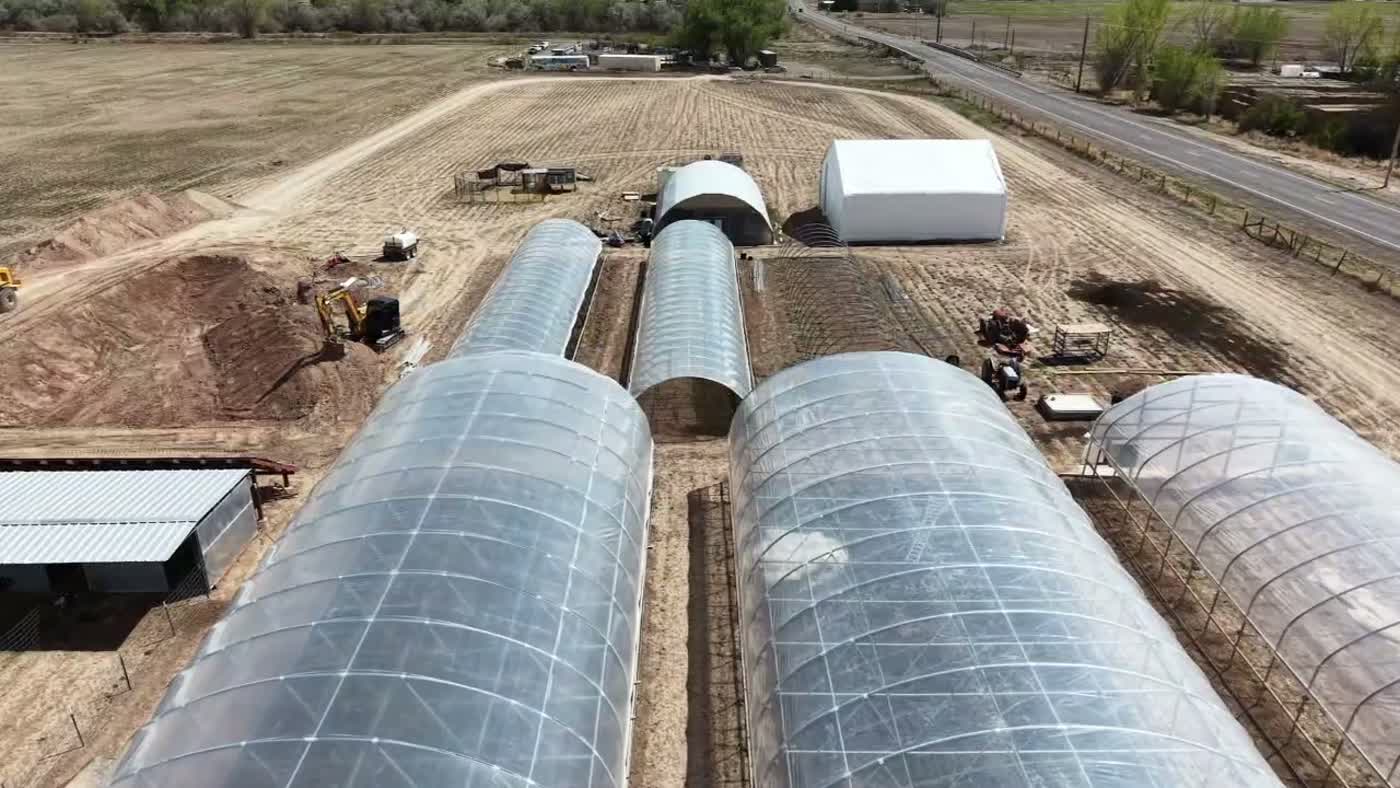
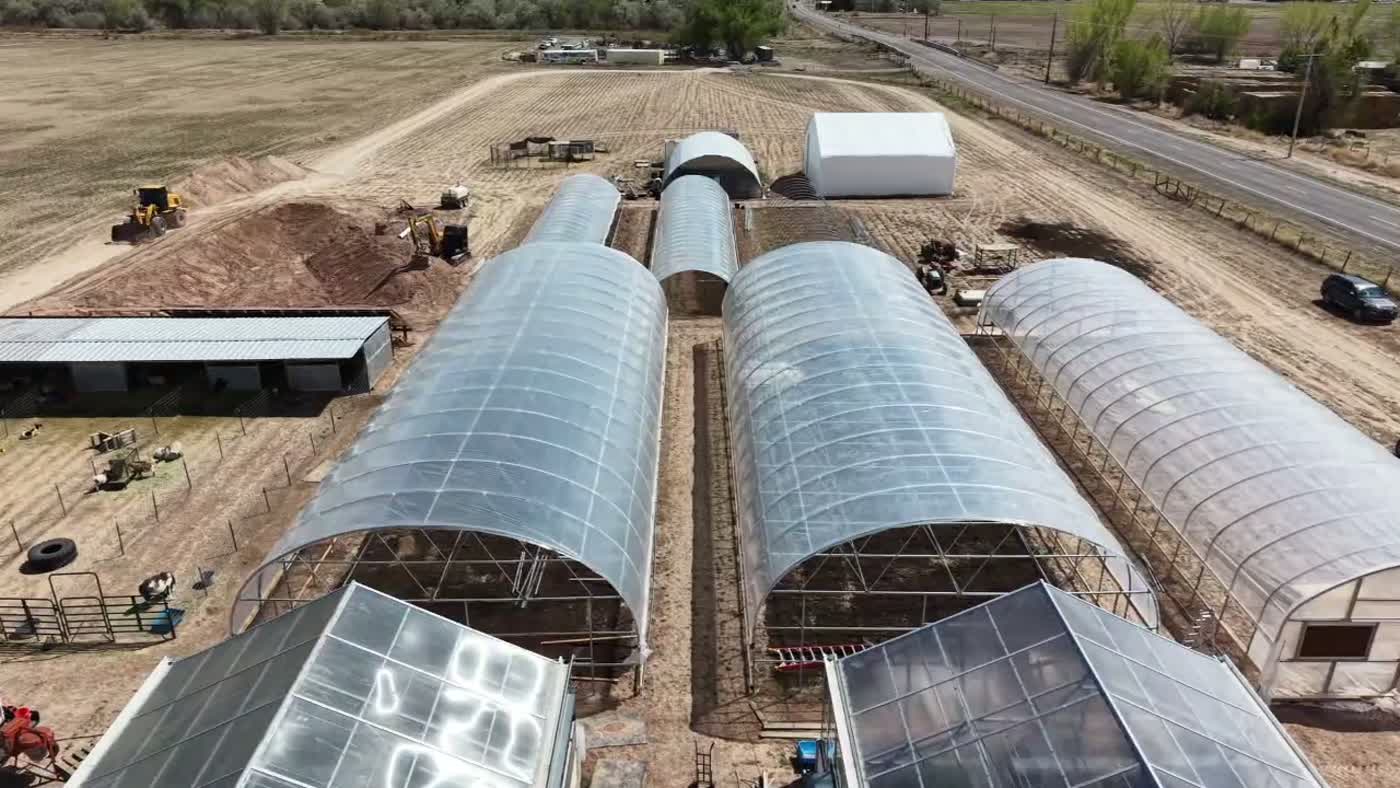
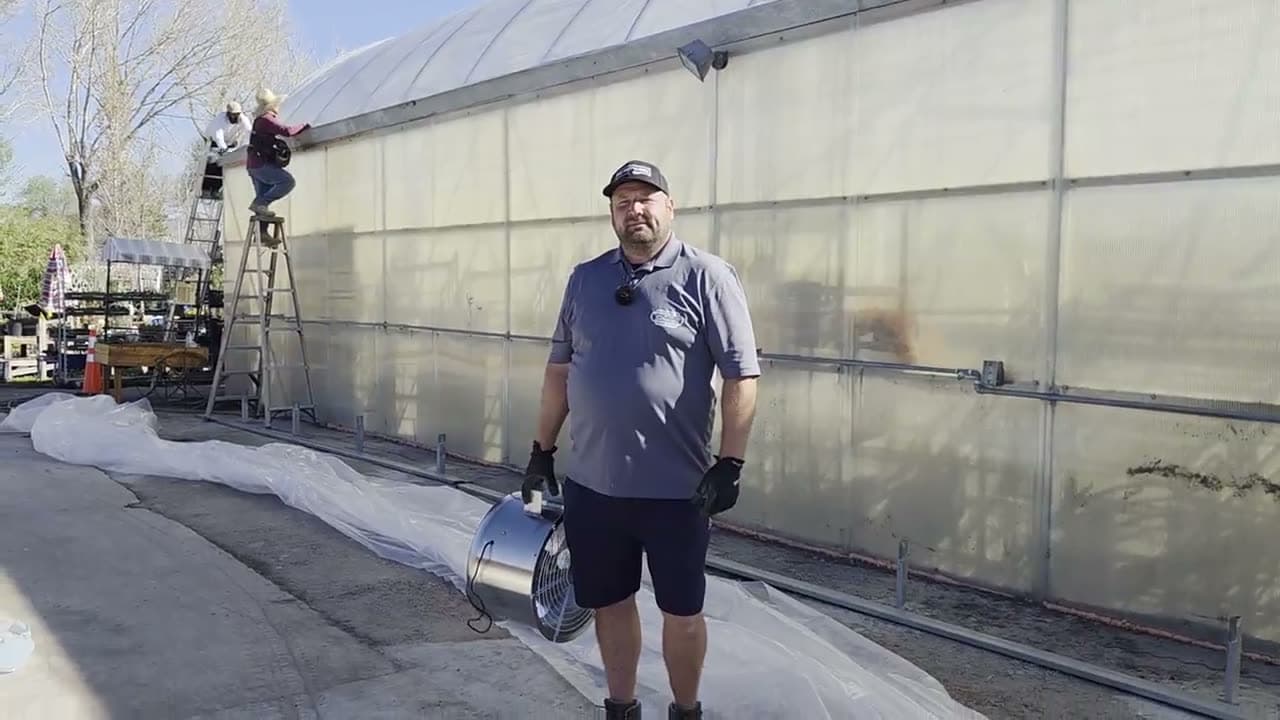
At Sus Farms, we combine time-tested growing principles with modern greenhouse technology to create a system that is both sustainable and efficient. By blending traditional farming wisdom with controlled environments, water-efficient systems, climate management, and thoughtful innovation, we’re able to grow healthier plants year-round while using fewer resources and minimizing waste. To us, the future of farming isn’t choosing between old and new — it’s taking the best of both.
I farm the way the four generations before me farmed — growing a wide variety of food and raising much of what the family ate themselves. Gardens weren’t hobbies back then; they were a way of life.
My family grew vegetables, preserved harvests, raised animals, and worked with the seasons because that’s simply how people fed themselves. They understood the value of self-sufficiency, healthy soil, and knowing exactly where your food came from.
That mindset still shapes Sus Farms today: growing diverse, nutrient-rich food with methods rooted in practicality, stewardship, and generations of experience.
Chapter 1 / 5
1891
Five generations, one piece of land
How we kept doing the same thing — better.
1891
It started with dirt.
The first generation arrived in Sevier County when farming was just work — no marketing, no certifications, no brand. Land, animals, and the weather doing whatever it wanted. We still farm the same red ground.
1945
The world got loud.
Big inputs and bigger claims arrived between the wars. The second generation watched the trends, kept what worked, and ignored what didn’t. That decision shapes the farm to this day.
1985
LaRene’s nursery.
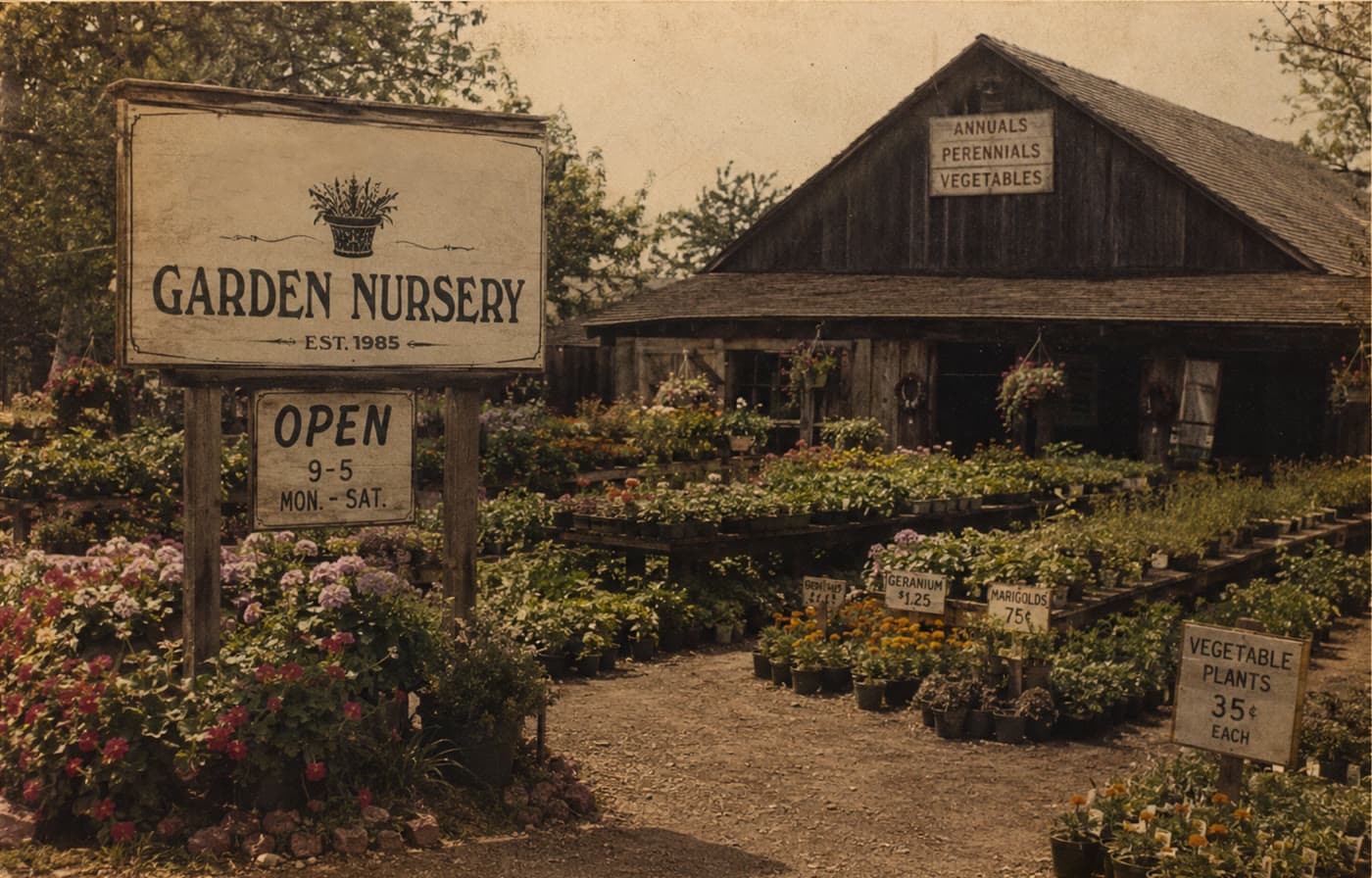
Third-generation LaRene Smith started selling plant starts out of a backyard greenhouse. Customers showed up because the plants were good and the advice was honest. We still operate on those rules.
2010
Scaling up the right way.
The fourth generation built greenhouses, expanded the catalog, and kept the no-spray, low-input method. Bigger surface area, same standards. Working dogs, sheep, goats, and a pond got added in stages.
Now
Fifth generation, building.
Different tools. Same playbook. Rotate crops. Compost everything. Pay attention. Fix what breaks. Keep showing up. Apparently that approach is trending again.
How we farm
A few things we’ve made non-negotiable.
Generations on this farm
5
Doing it the same way since 1891.
“Soil is a living thing. Treat it like one and it behaves. Treat it like inventory and it quits.
— On the philosophy of rotation
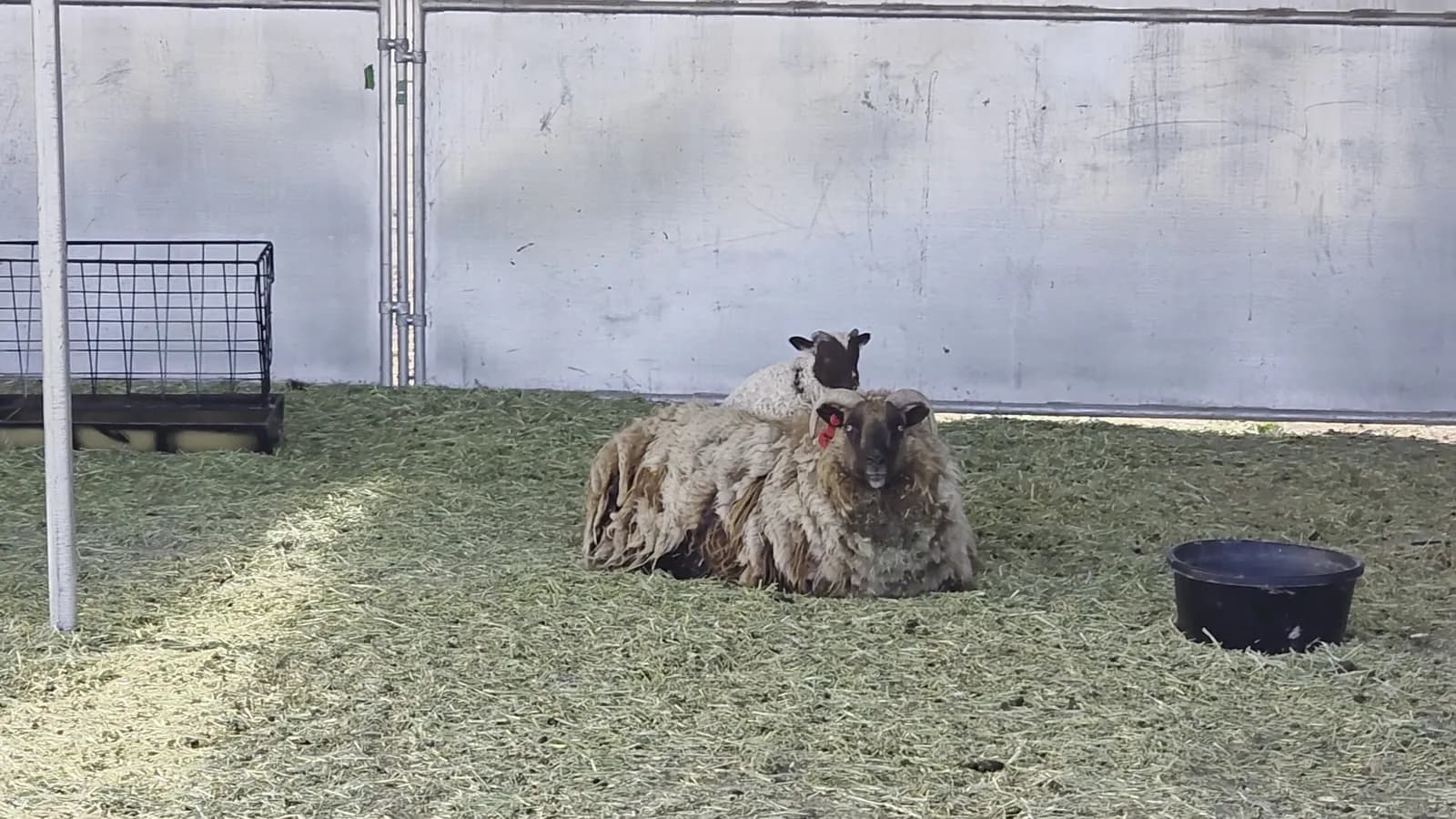
Lambing season — the busiest weeks of the year.
Plant varieties
125+
Each one selected for Utah’s climate.
“Plants ripen when they ripen. Nothing good on this farm has ever happened on a deadline.
— On the philosophy of patience
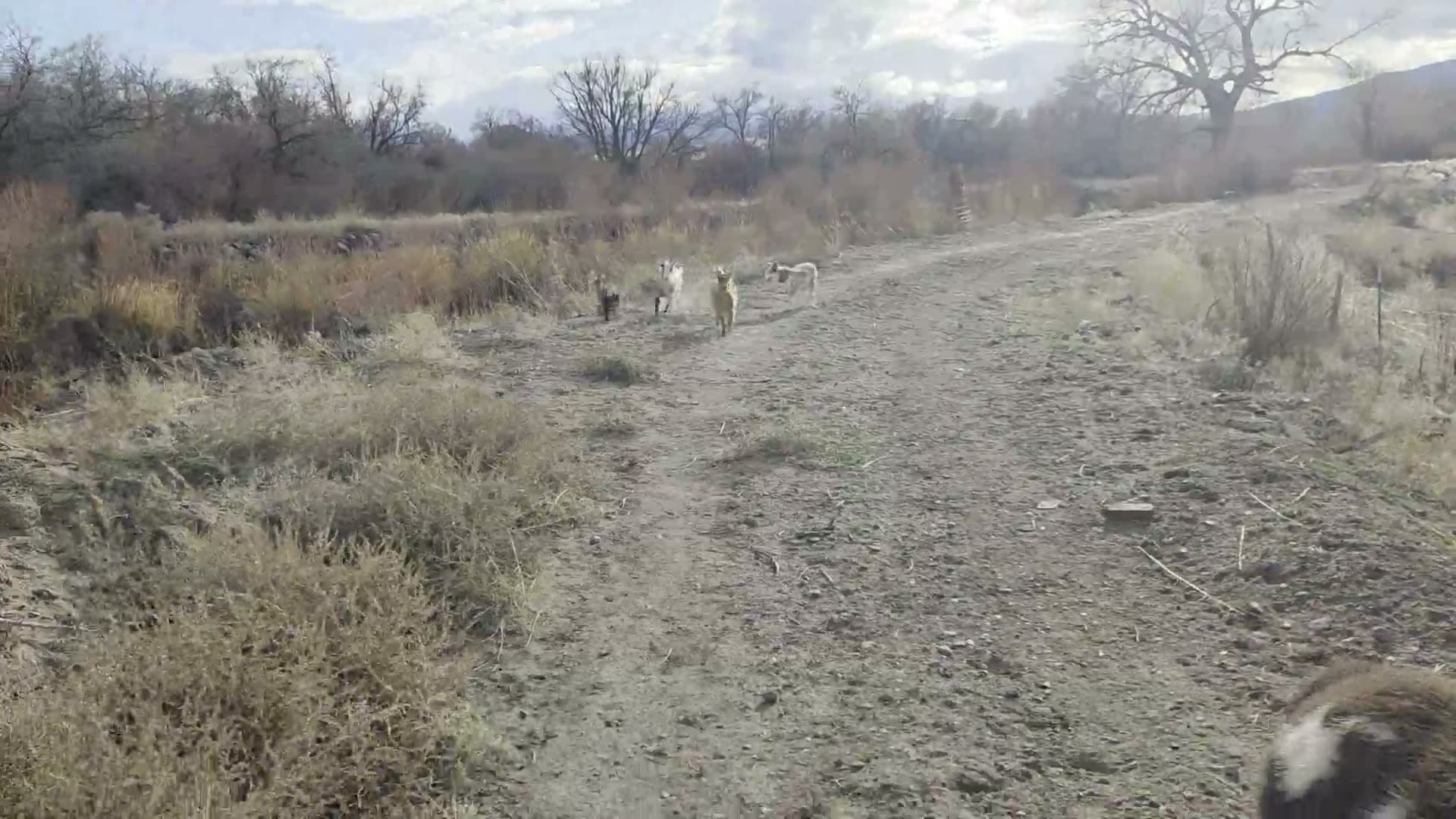
The dogs run the place. We just open gates.
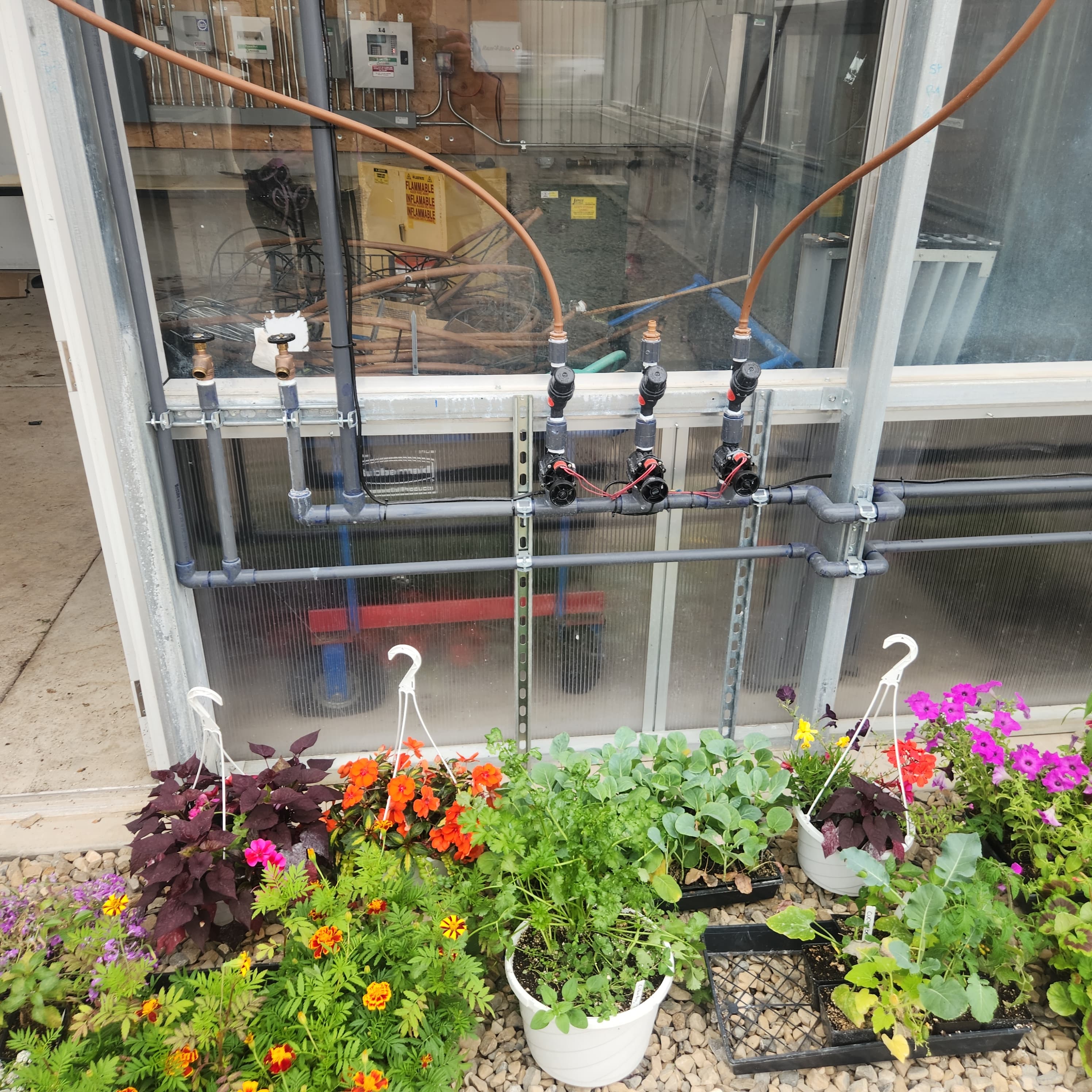
The practice
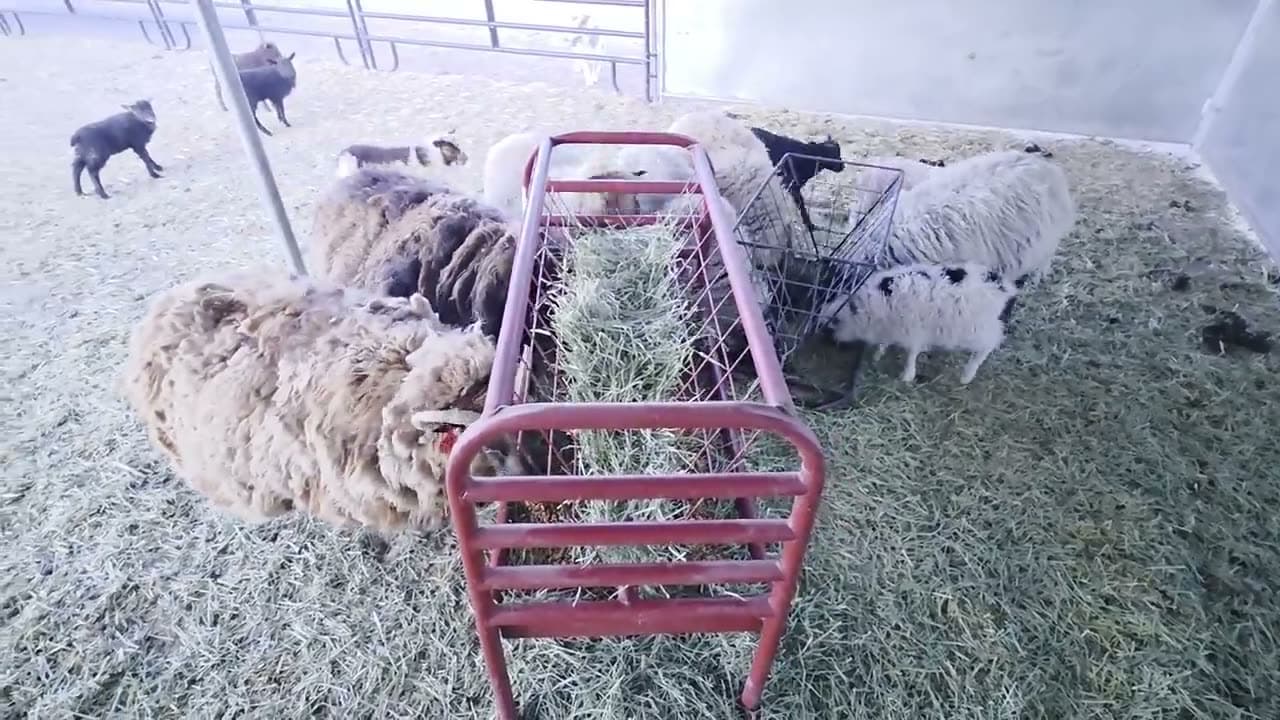
The soil is the real crop here.
01
The practice
How we farm differently.
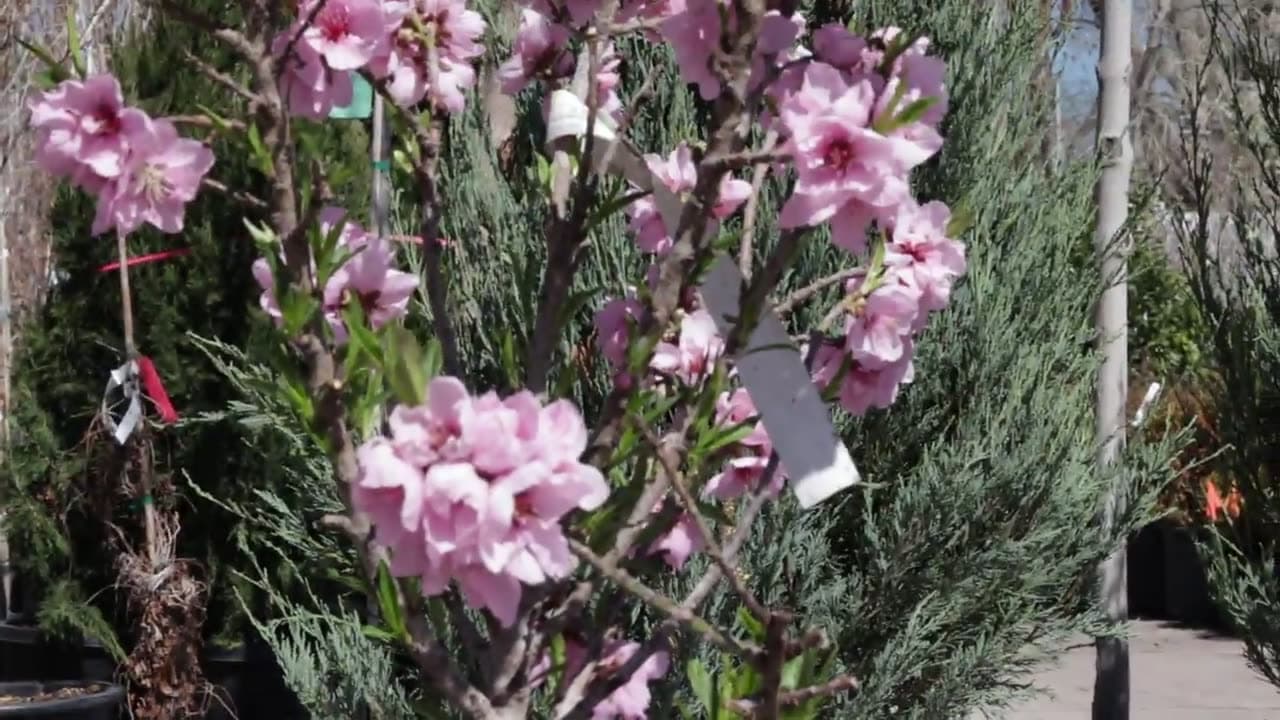
No fancy inputs. No spreadsheets dictating when plants grow. Crop rotation on a 4-year cycle, compost top-dressed every fall, drip irrigation on every bed, integrated pest management instead of broad-spectrum chemicals. The methods are old. The discipline is what makes them work.
Visit the farm →The people
Who works the land.
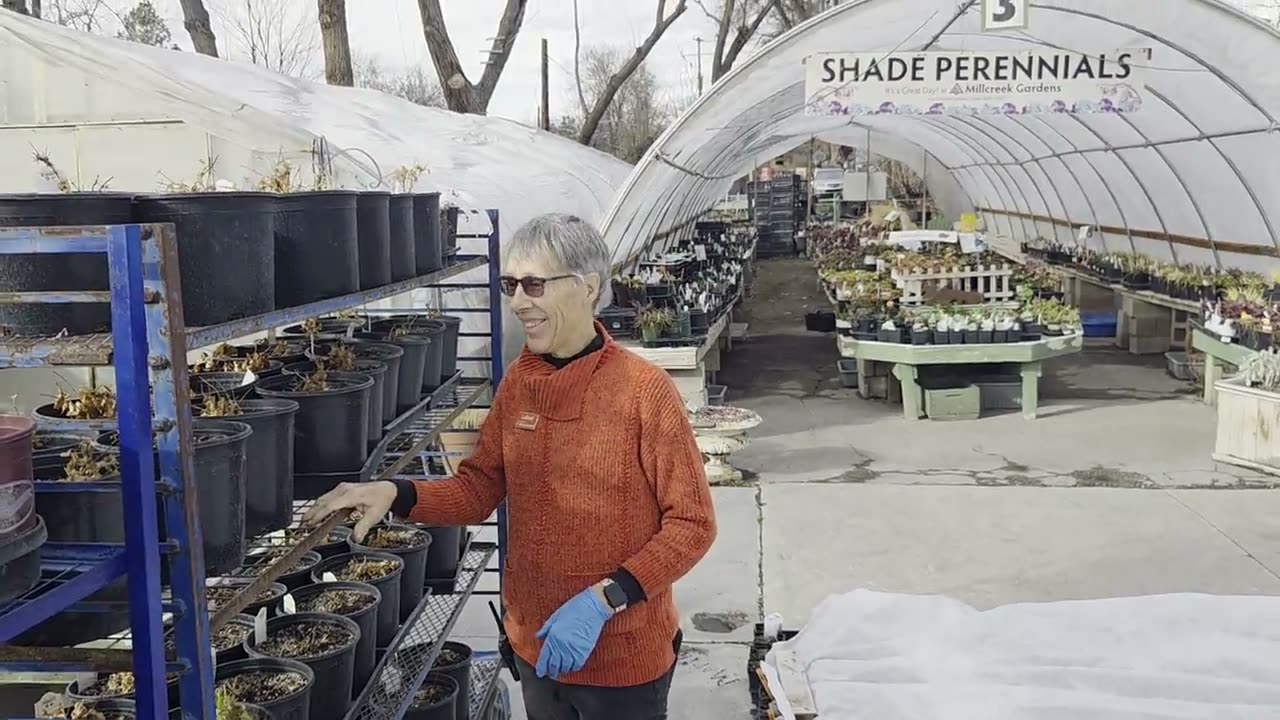
Third generation
LaRene Smith
Started the nursery side of the farm out of a backyard greenhouse. Decades of plant knowledge that no book replicates. We kept a page for her at /larene.
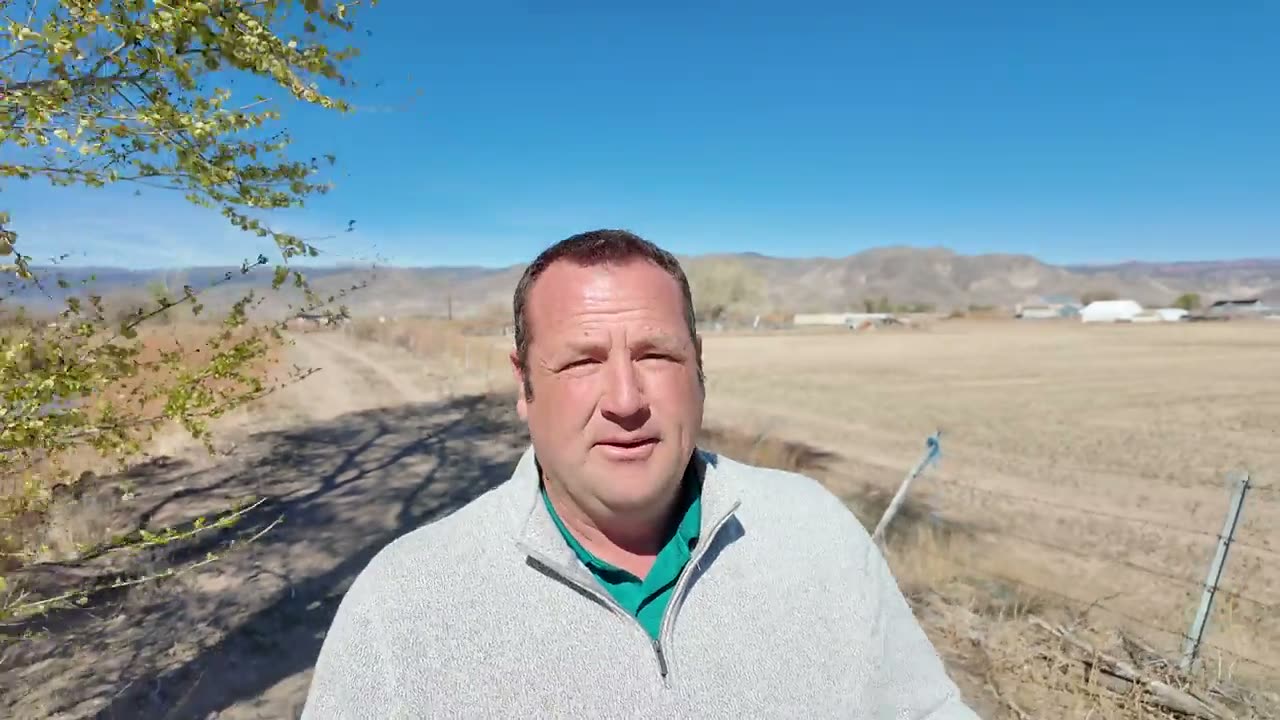
Fourth generation
Michael
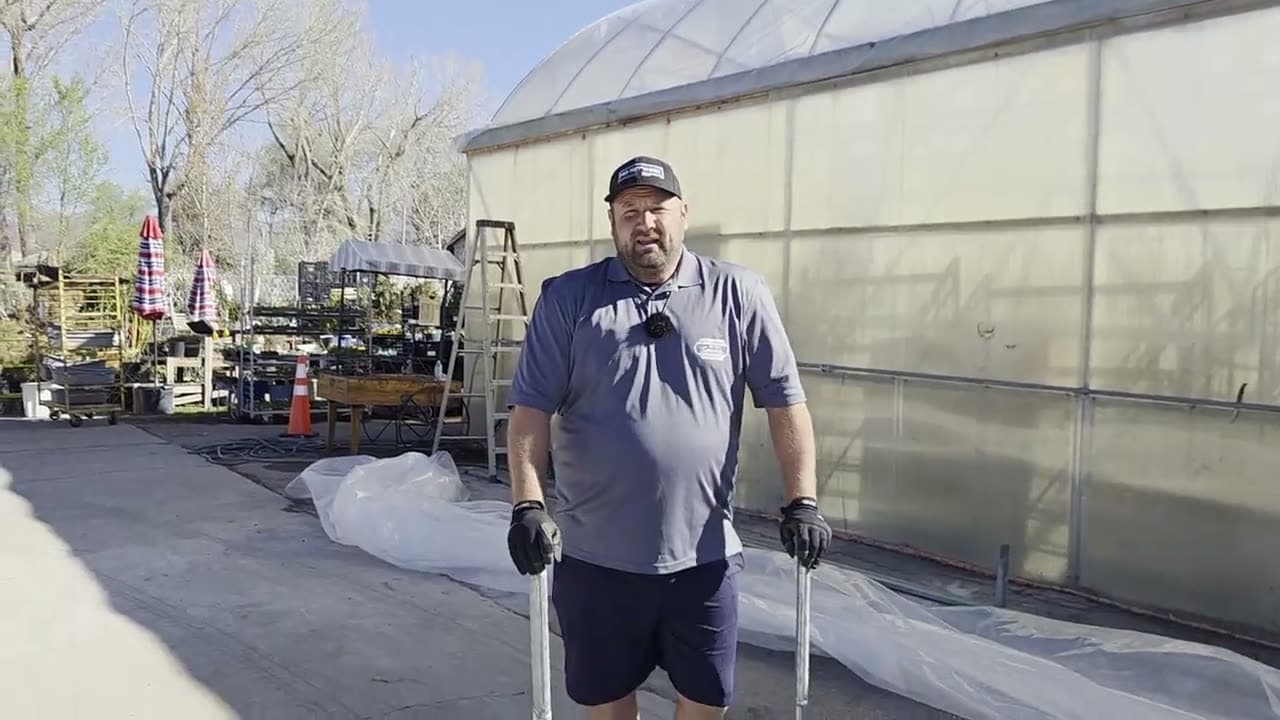
Built the greenhouses. Runs the propagation operation. Knows where every drip-line elbow is buried because he probably buried it.
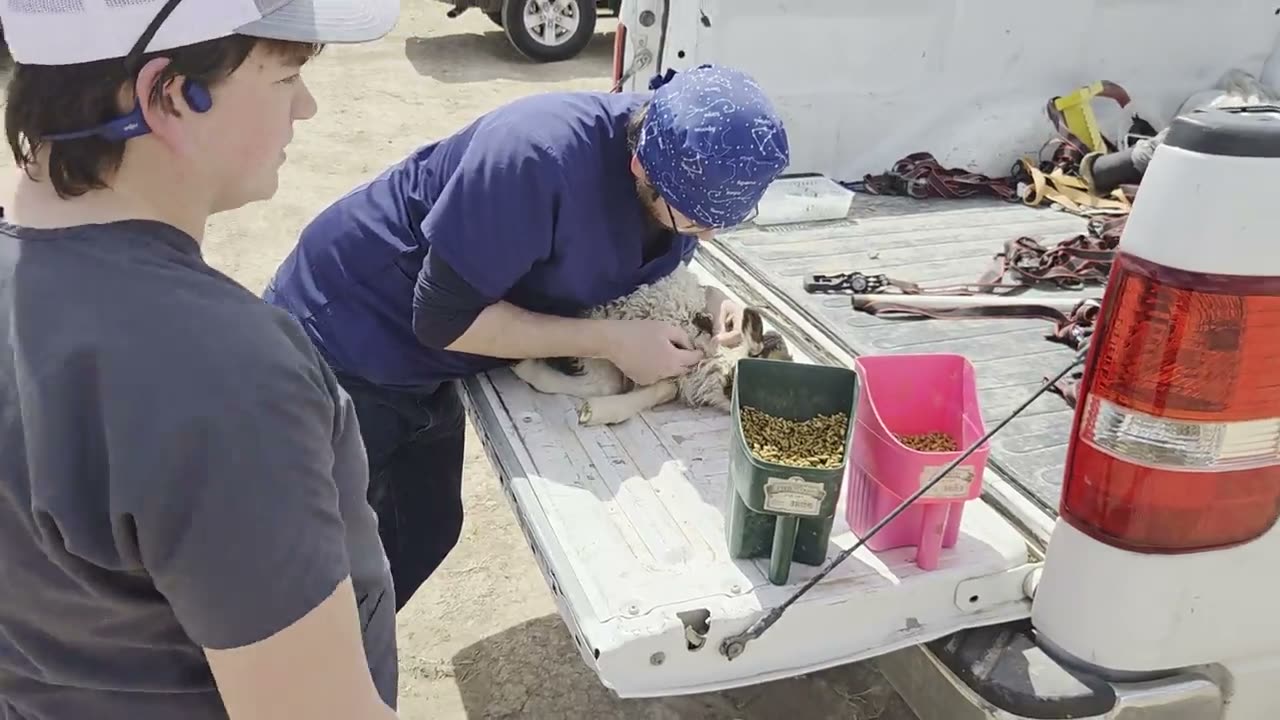
Fifth generation
The next ones
Cameron, Reese, and crew. Learning livestock care, plant ID, and the parts of farming that only show up at 5am. Already better with the dogs than most adults.
Meet the cast
Lambs, working dogs, the deaf horse, and the rest.
Short clips from the day-to-day. The animals have opinions. The opinions are usually right.
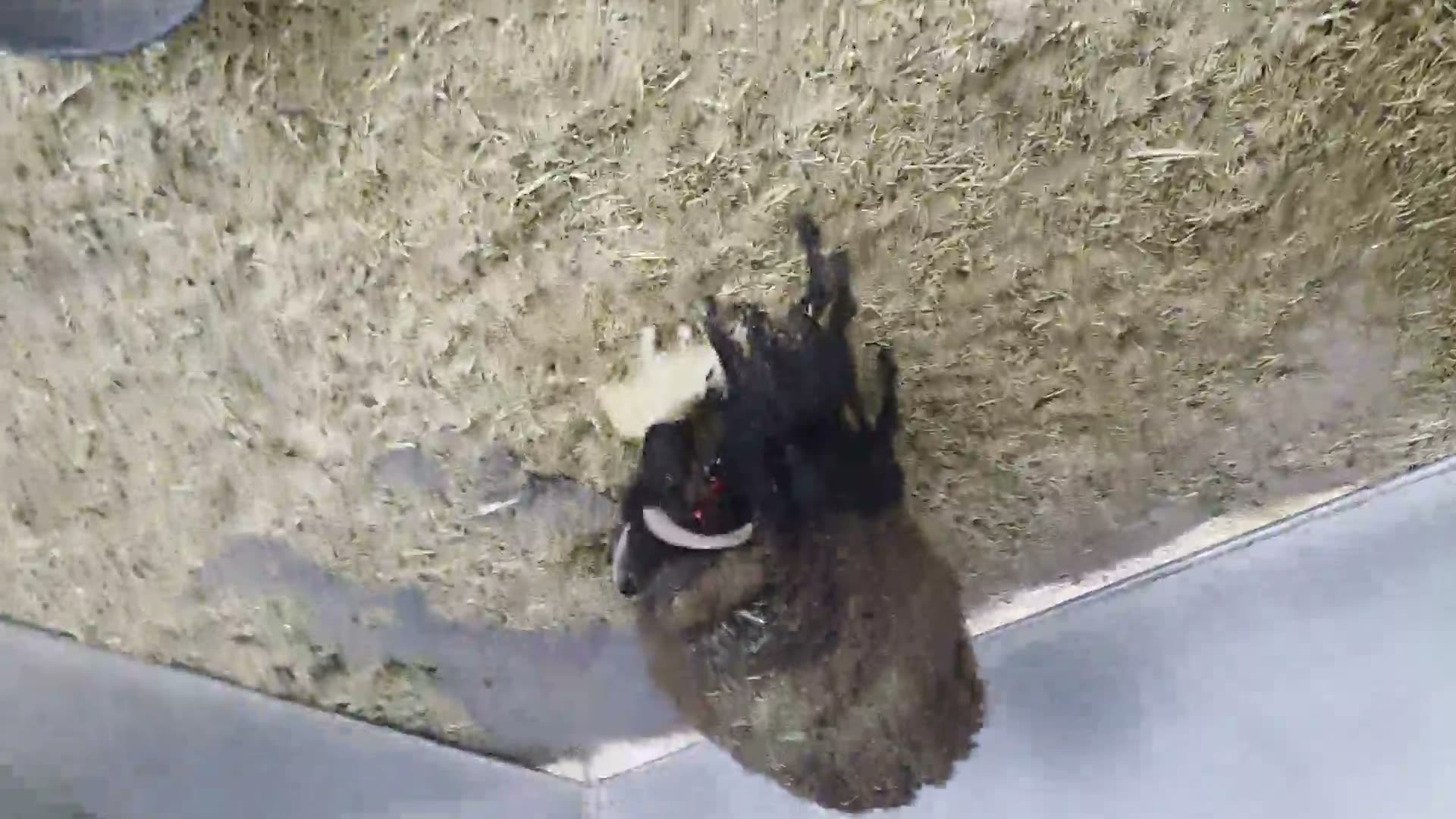
First triplets of the season
Three at once. Mom is unbothered.
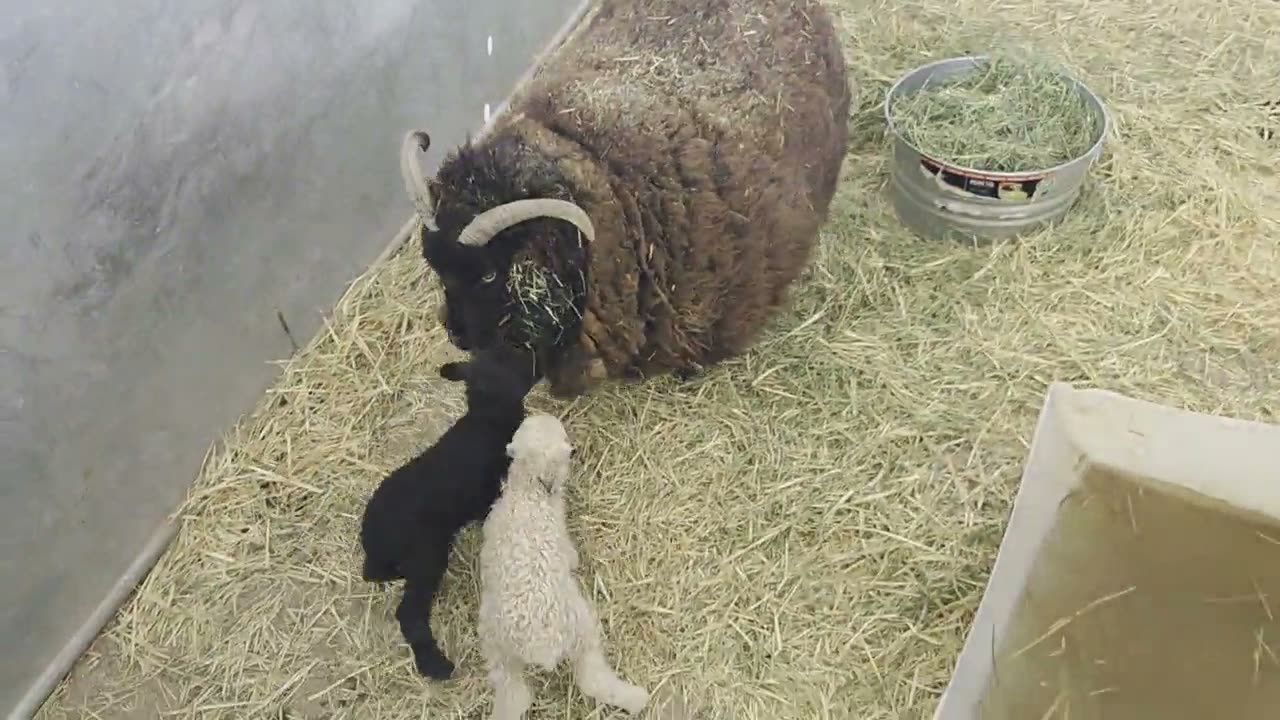
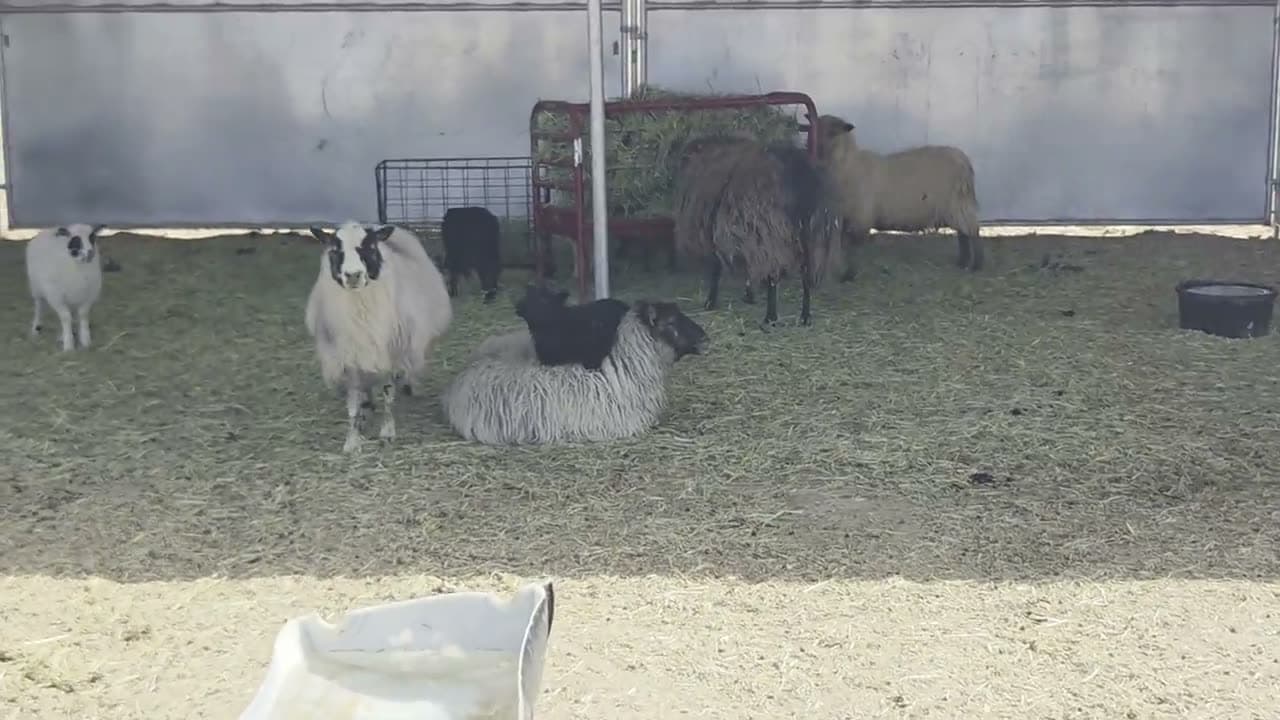
Heidi has two black and one white
The most photogenic family on the property.
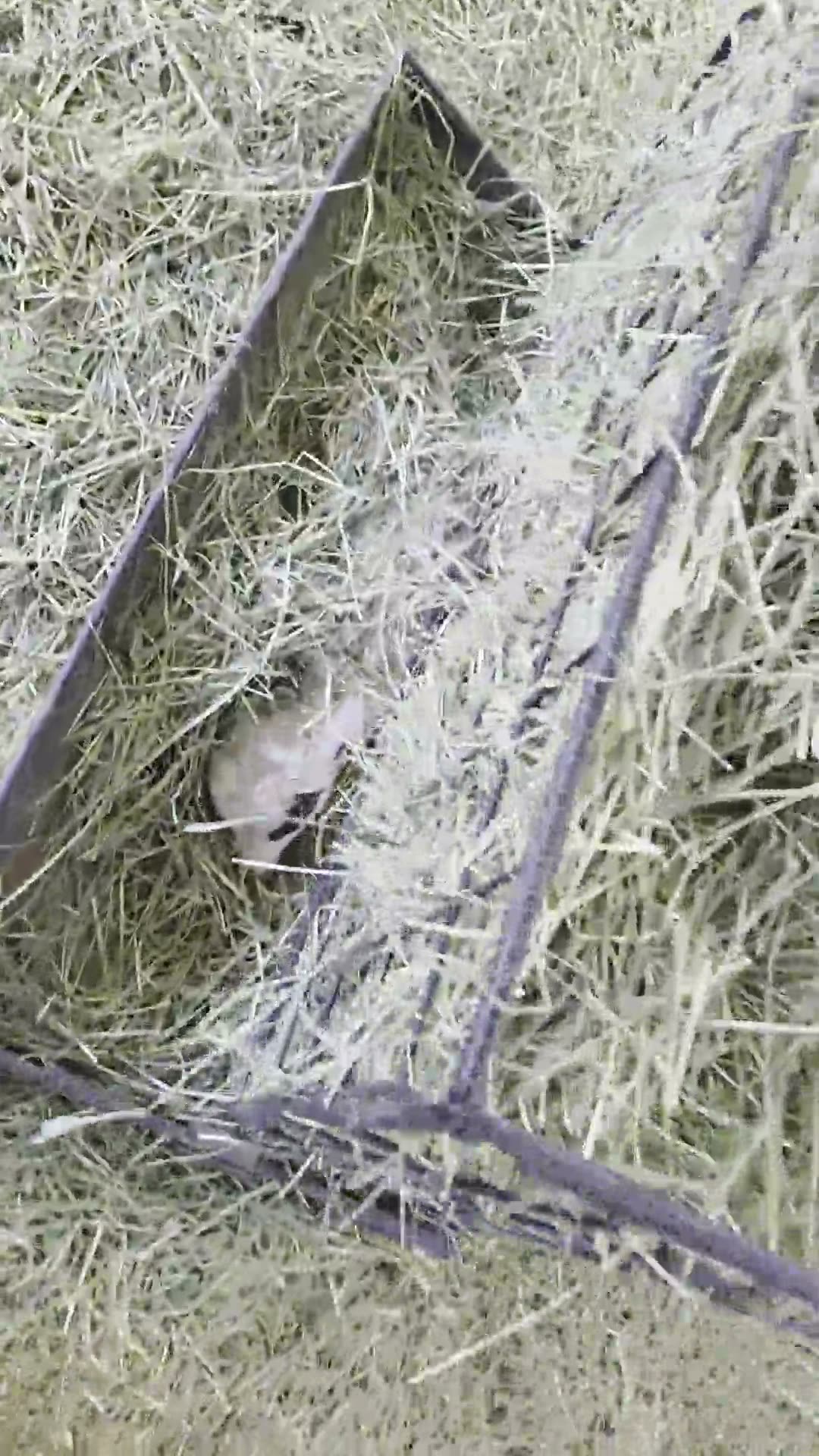
Lamb sleeping in the hay trough
Bed is where you make it.
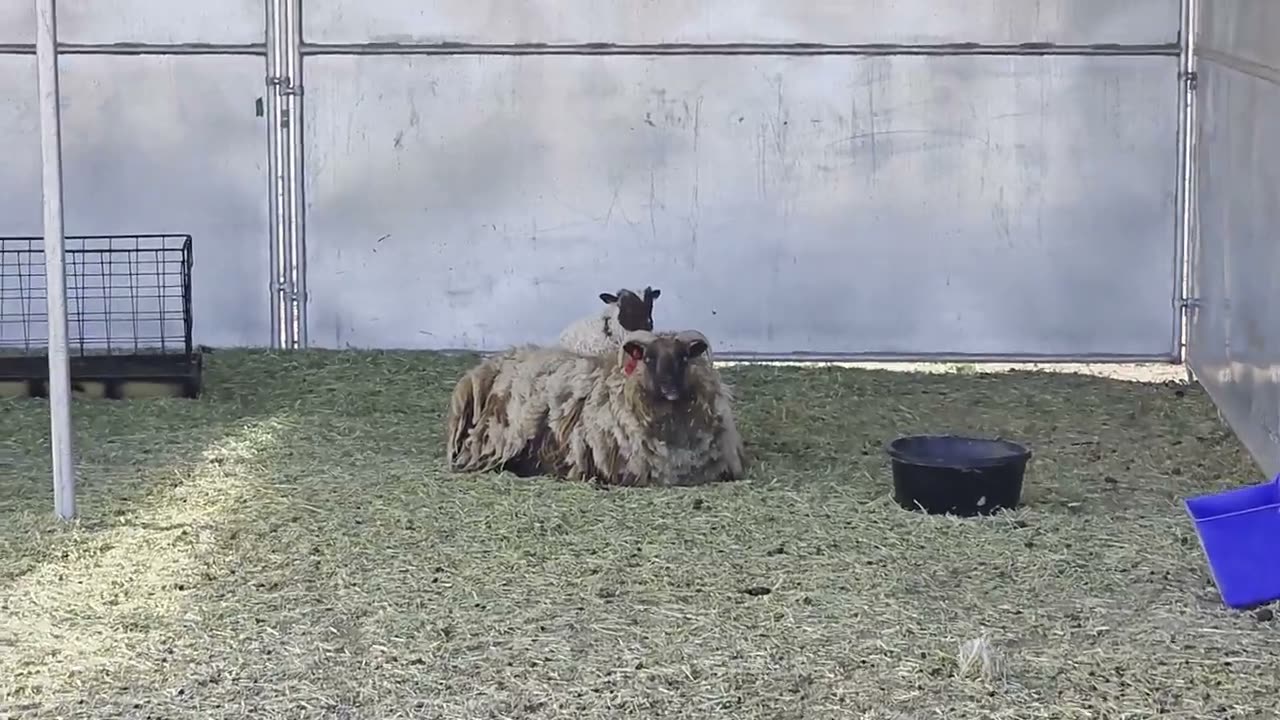
Heartface and her mom
Yes, the marking is real. Yes, that is her name.
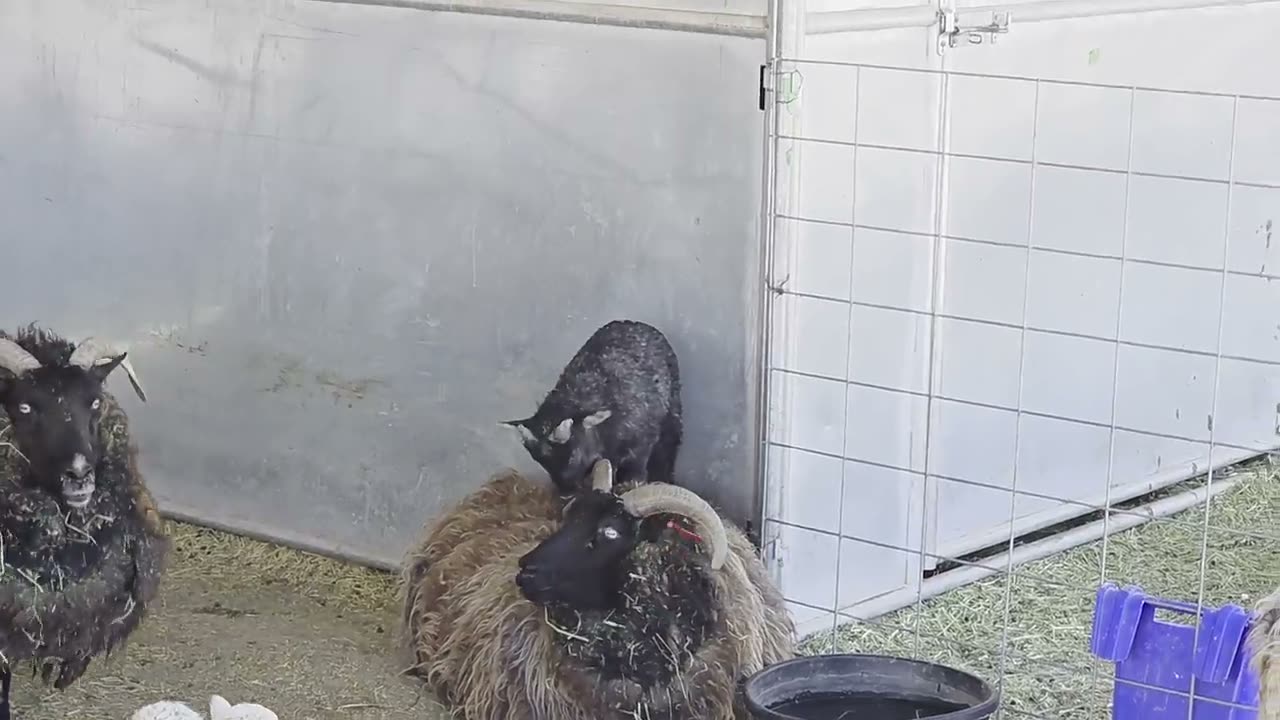
Lamb standing on his mom
She is allegedly used to it.
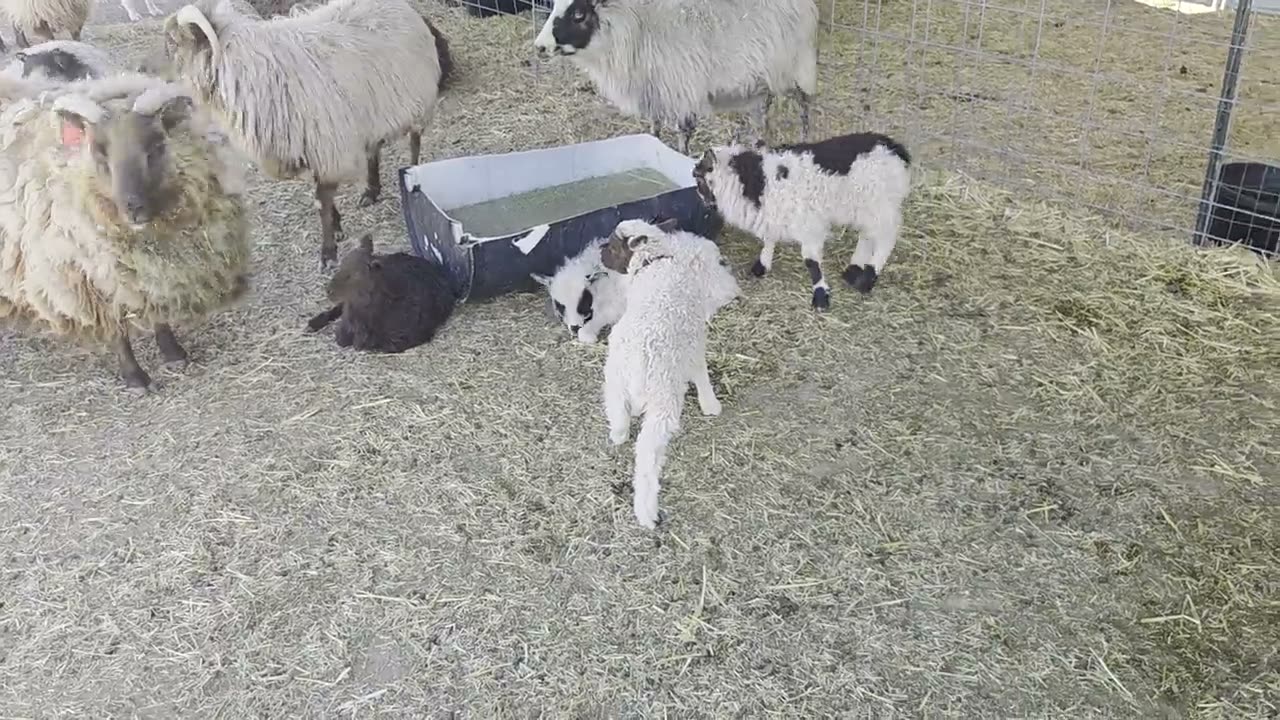
Baby lambs — weekly update
Everyone is fine. Everyone is also chaos.
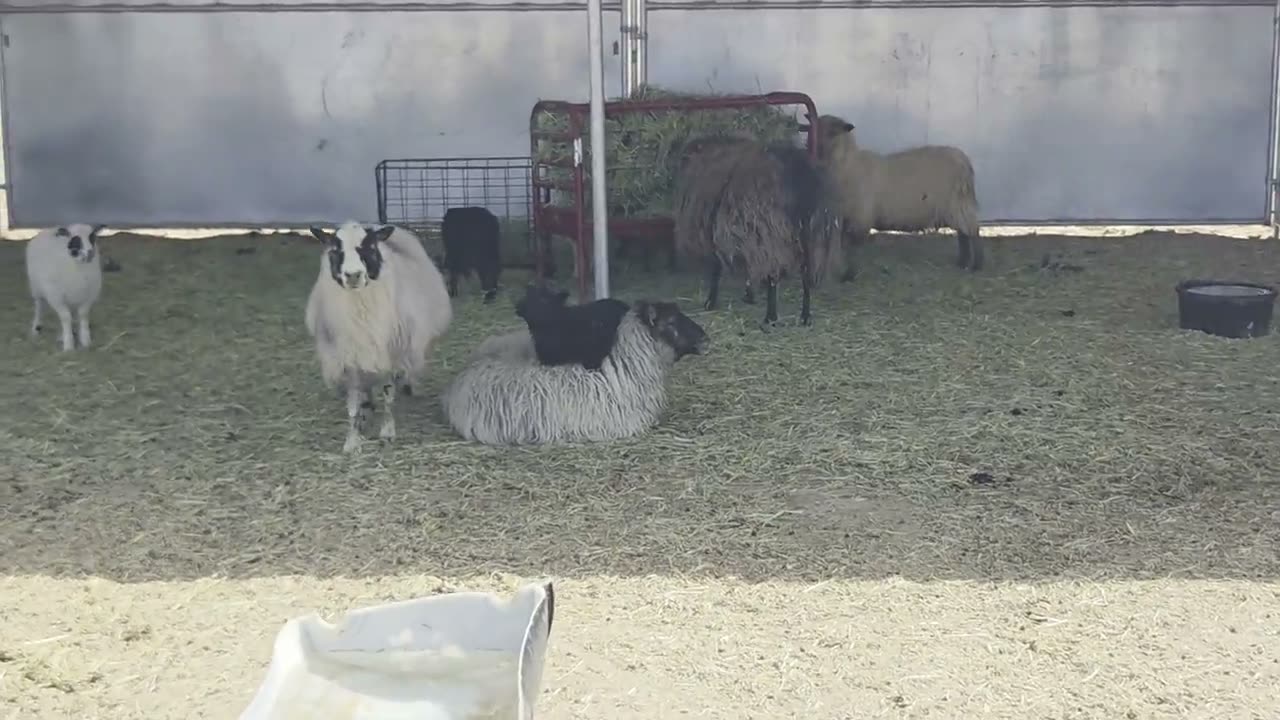
A brown lamb. Suspicious.
The genetics know things we do not.
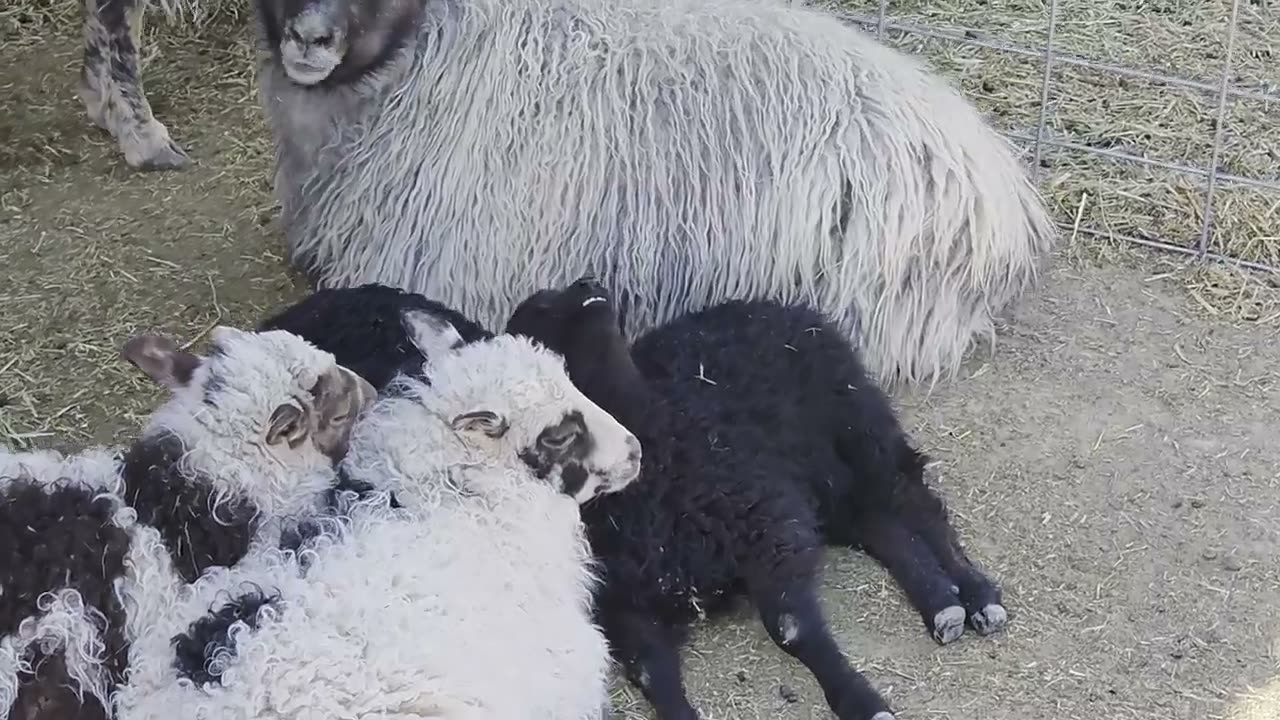
A lamb that appears to be smiling
Witness for the defense.
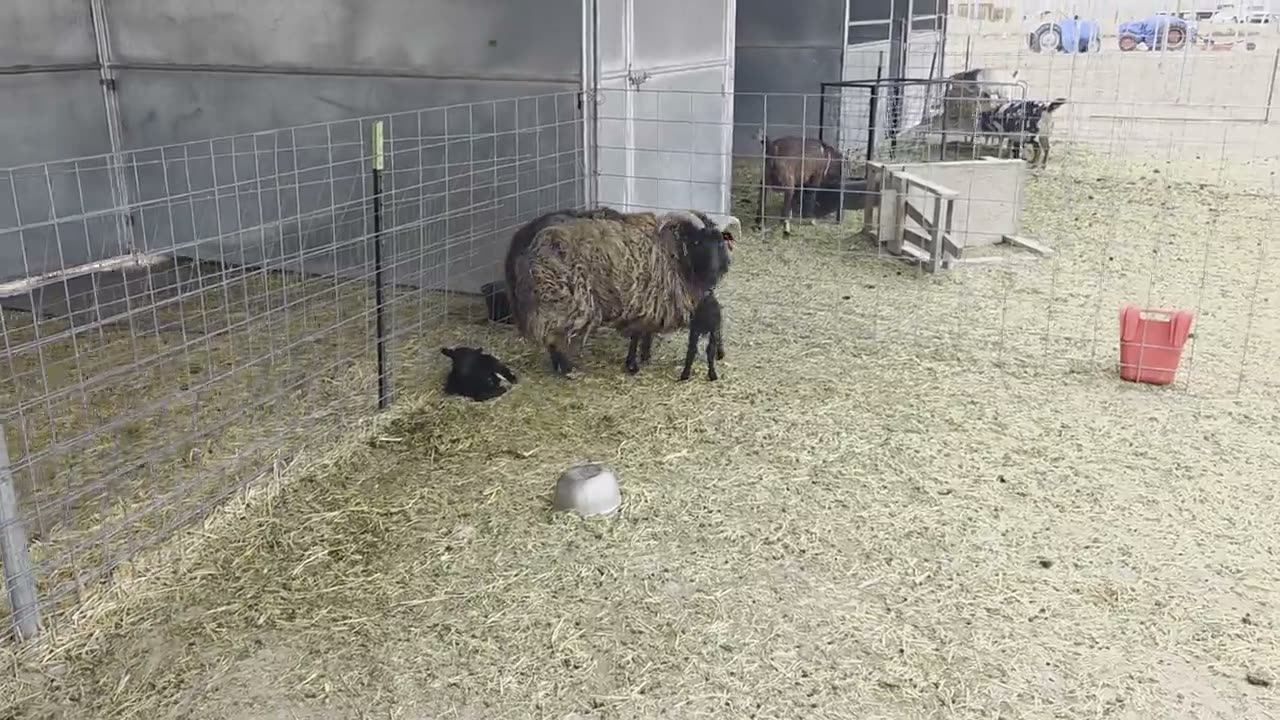
Even more black sheep
Statistically improbable. We checked.
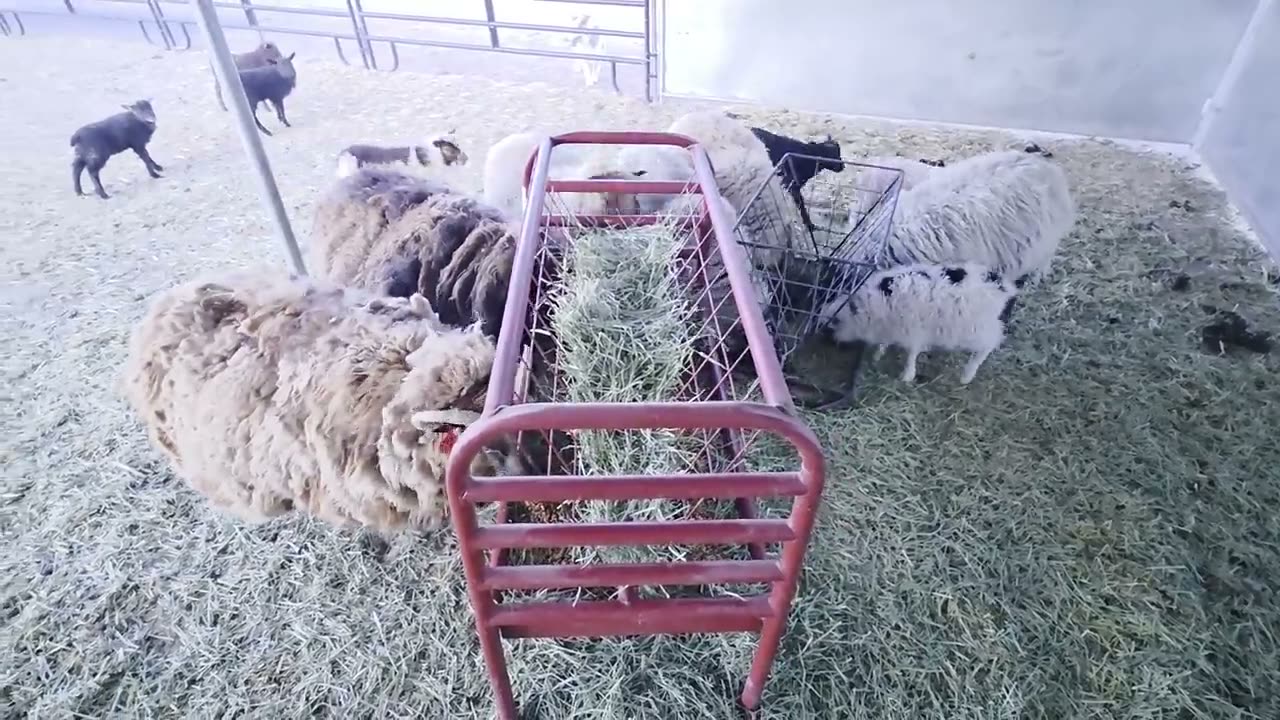
Aftermath of treat day
The crime scene is the field.
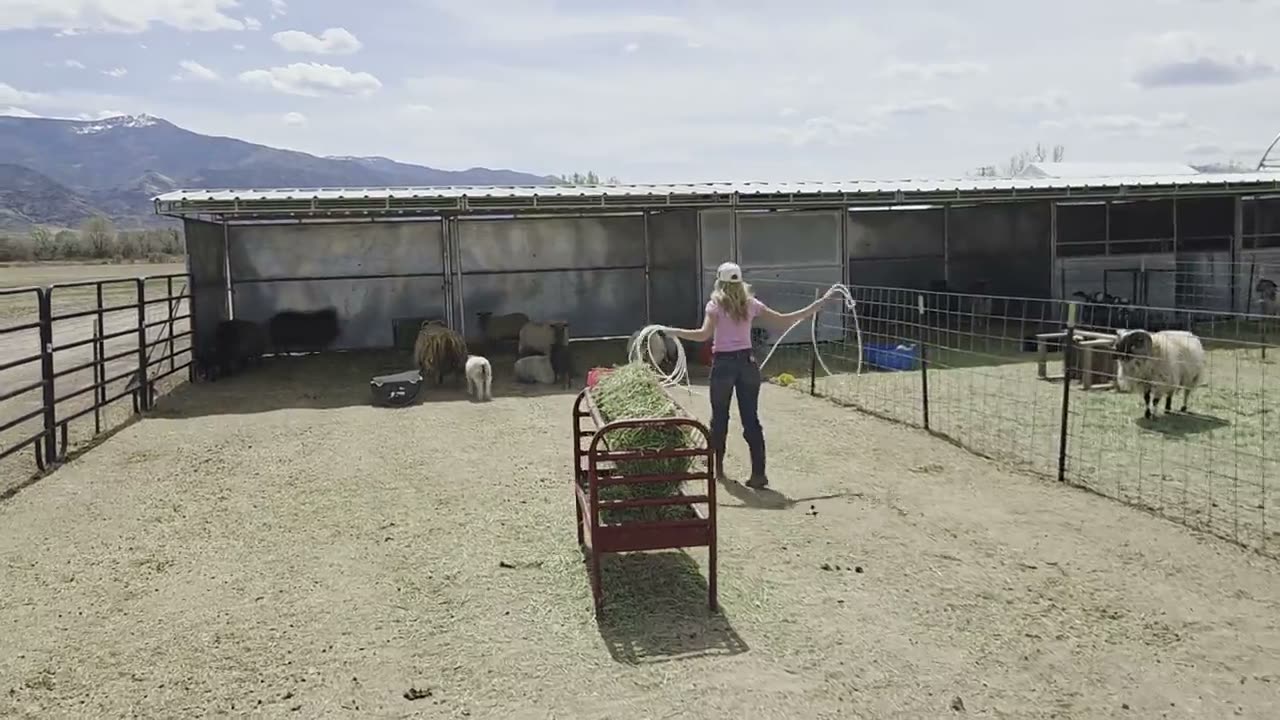
Reese roping a sheep
Not on her resume yet, but it should be.
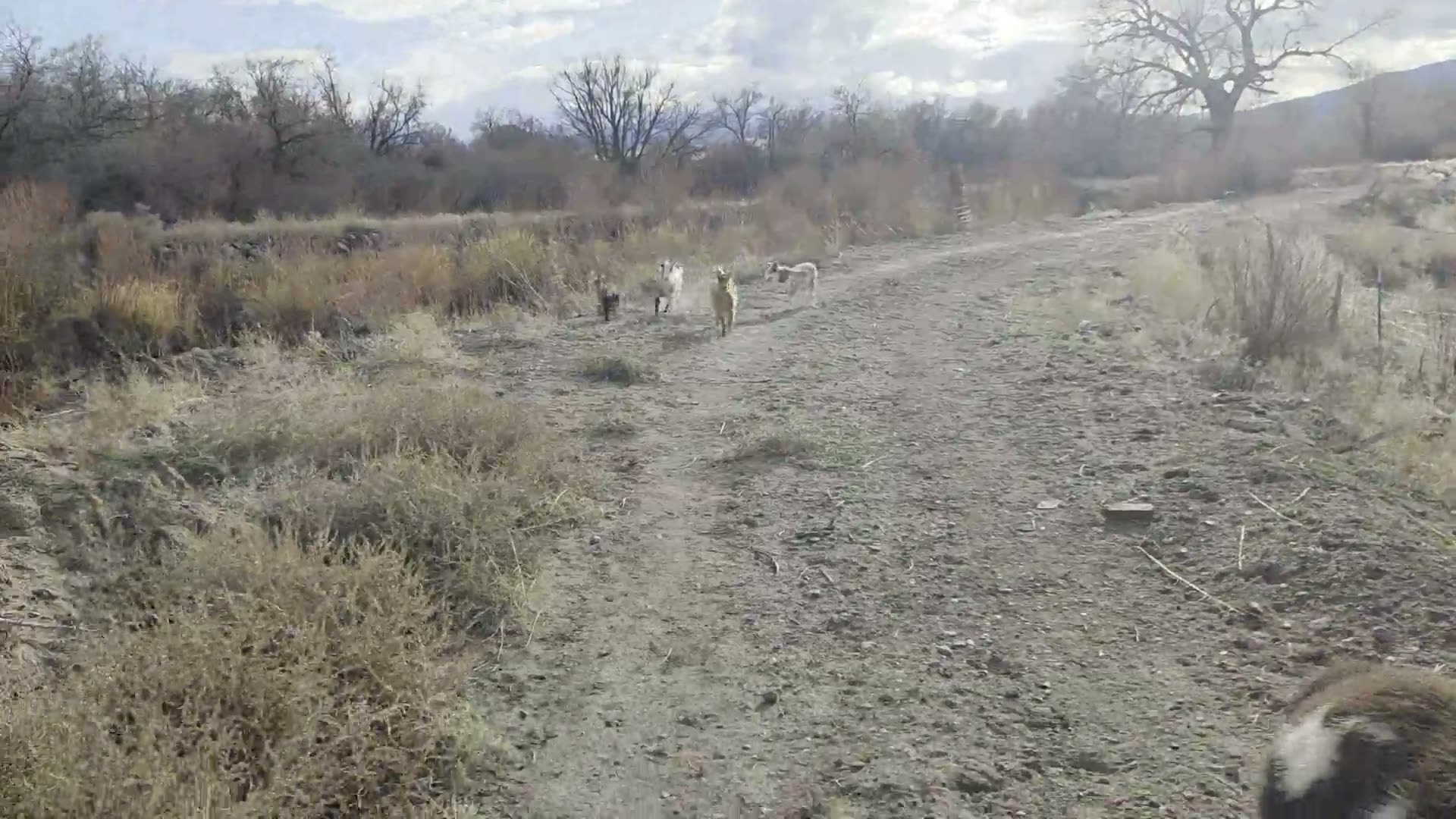
Lexi teaching Bonnie how to herd
On-the-job training for the next generation.
Come see it
The farm is best understood in person.
Photos do part of the work. The rest happens when you walk the rows, meet the animals, and ask the questions you came with.
Keep in touch
Plant updates, weather rants, and the occasional goat photo.
We send one newsletter per month. No spam. Honestly, we barely remember to do it.