
Seed Library
97 crops, every one with a grow guide for Utah.
Filter by category, season, sowing method, or time to harvest. Click any card for the full Utah grow guide — built on five generations of trial-and-error in Sevier County.
97 seeds
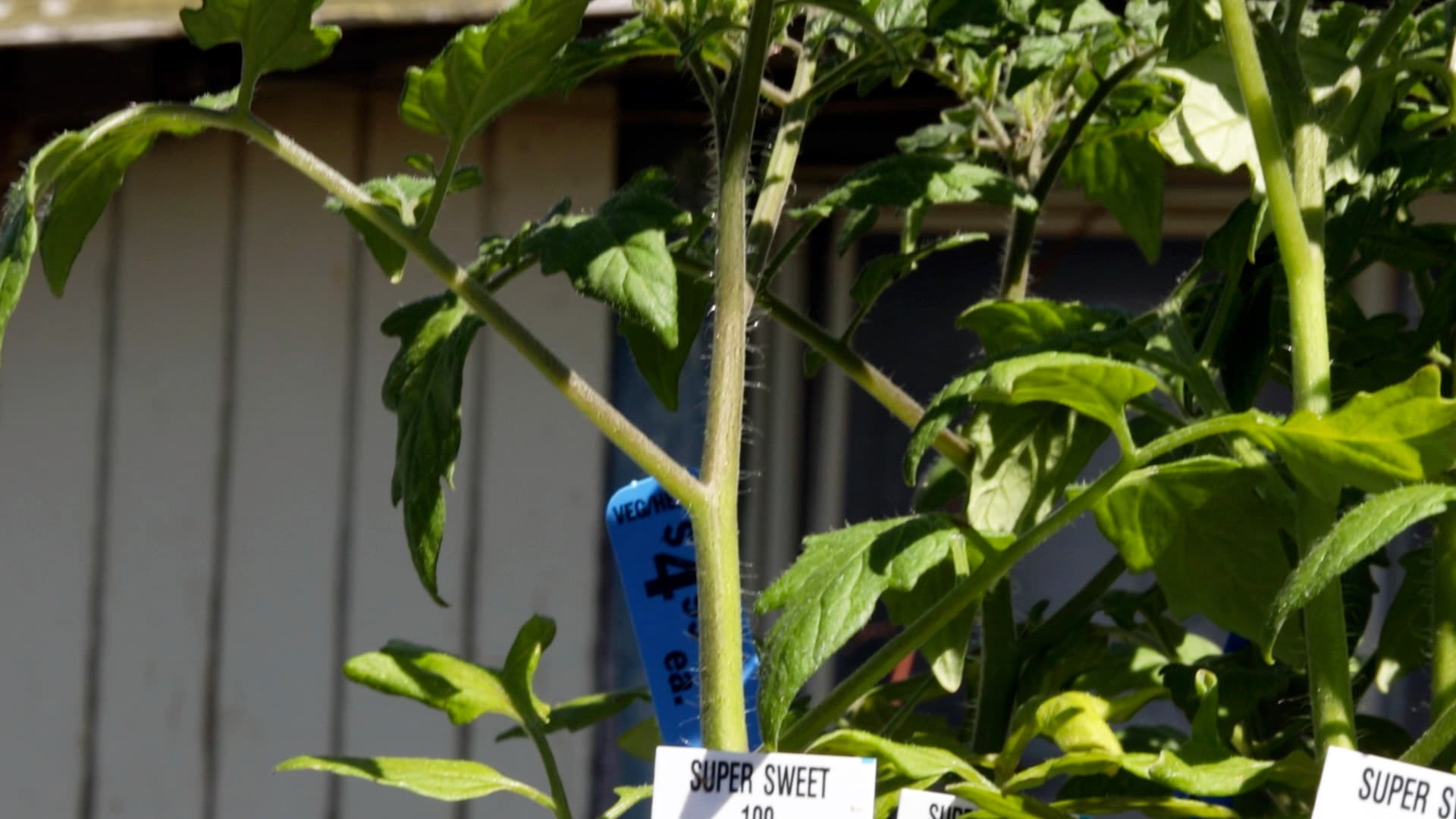
Tomato
Solanaceae
Days
75d
Depth
0.25″
Apart
24″
Pinch suckers on indeterminate types. Cage or stake before they sprawl.
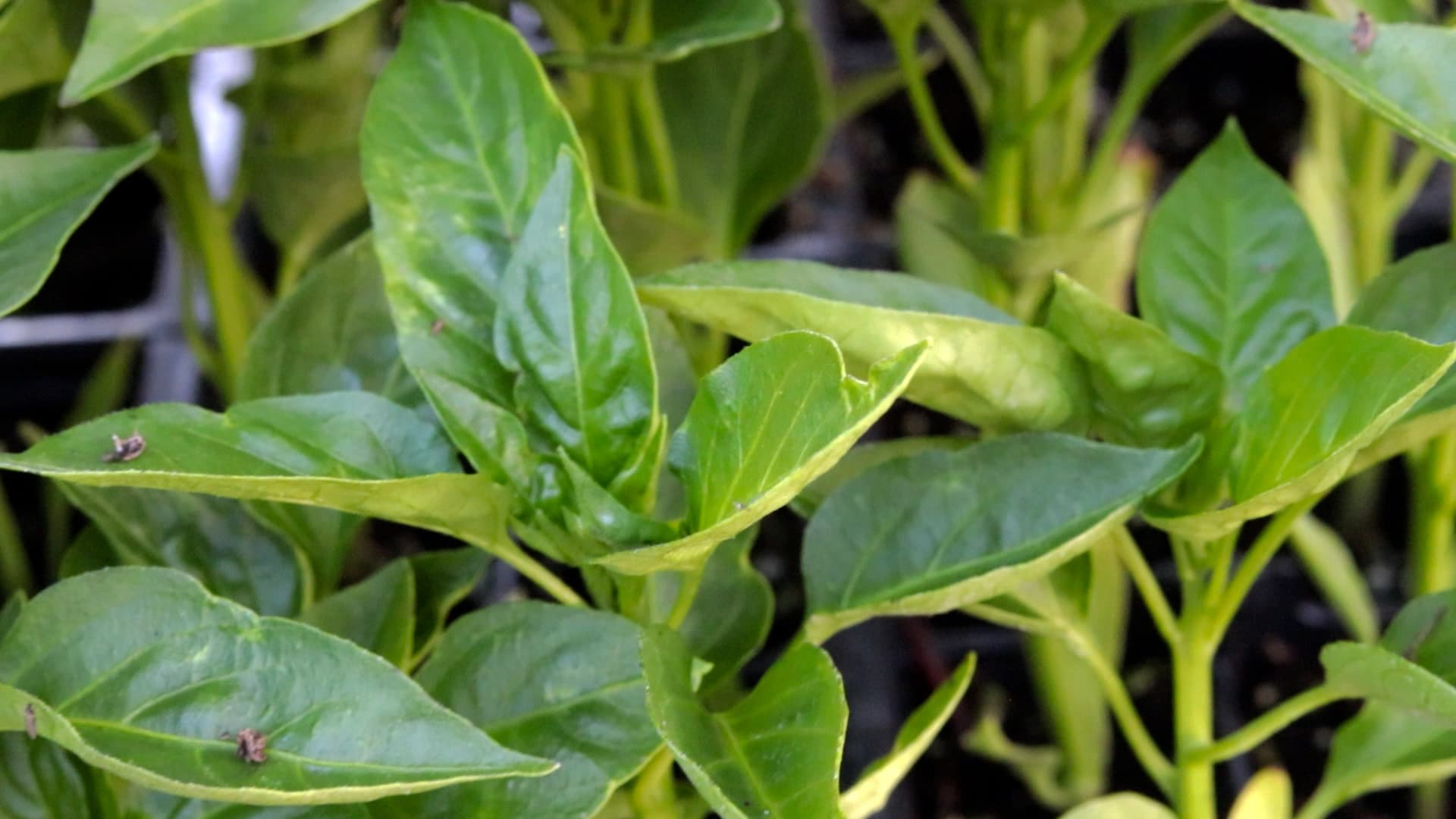
Pepper
Solanaceae
Days
80d
Depth
0.25″
Apart
18″
Slower than tomatoes -- start a week earlier. Wait for soil to hit 65°F before transplanting.
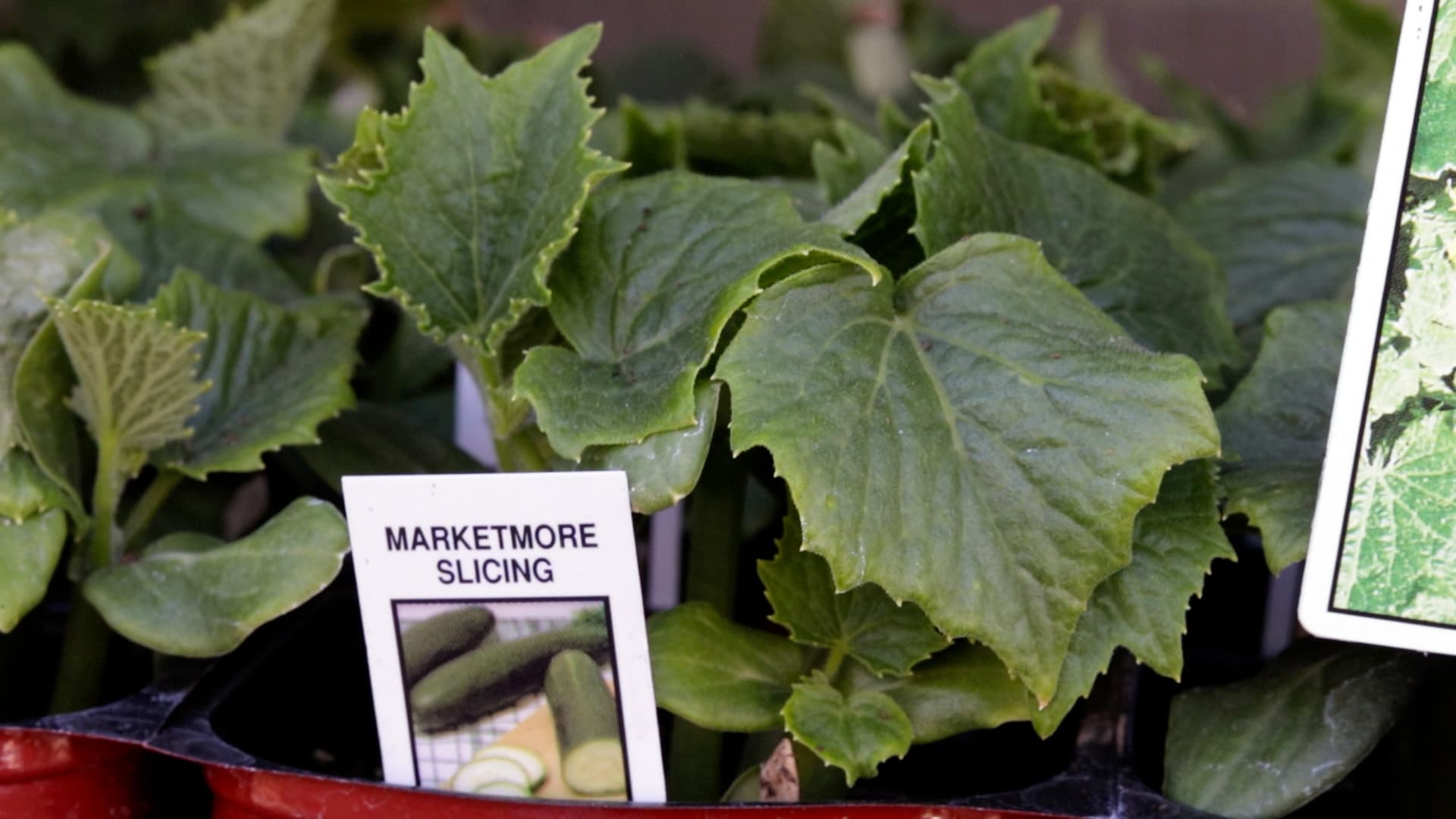
Cucumber
Cucurbitaceae
Days
55d
Depth
1″
Apart
12″
Cucurbits hate root disturbance -- use 4" pots or soil blocks if starting indoors.
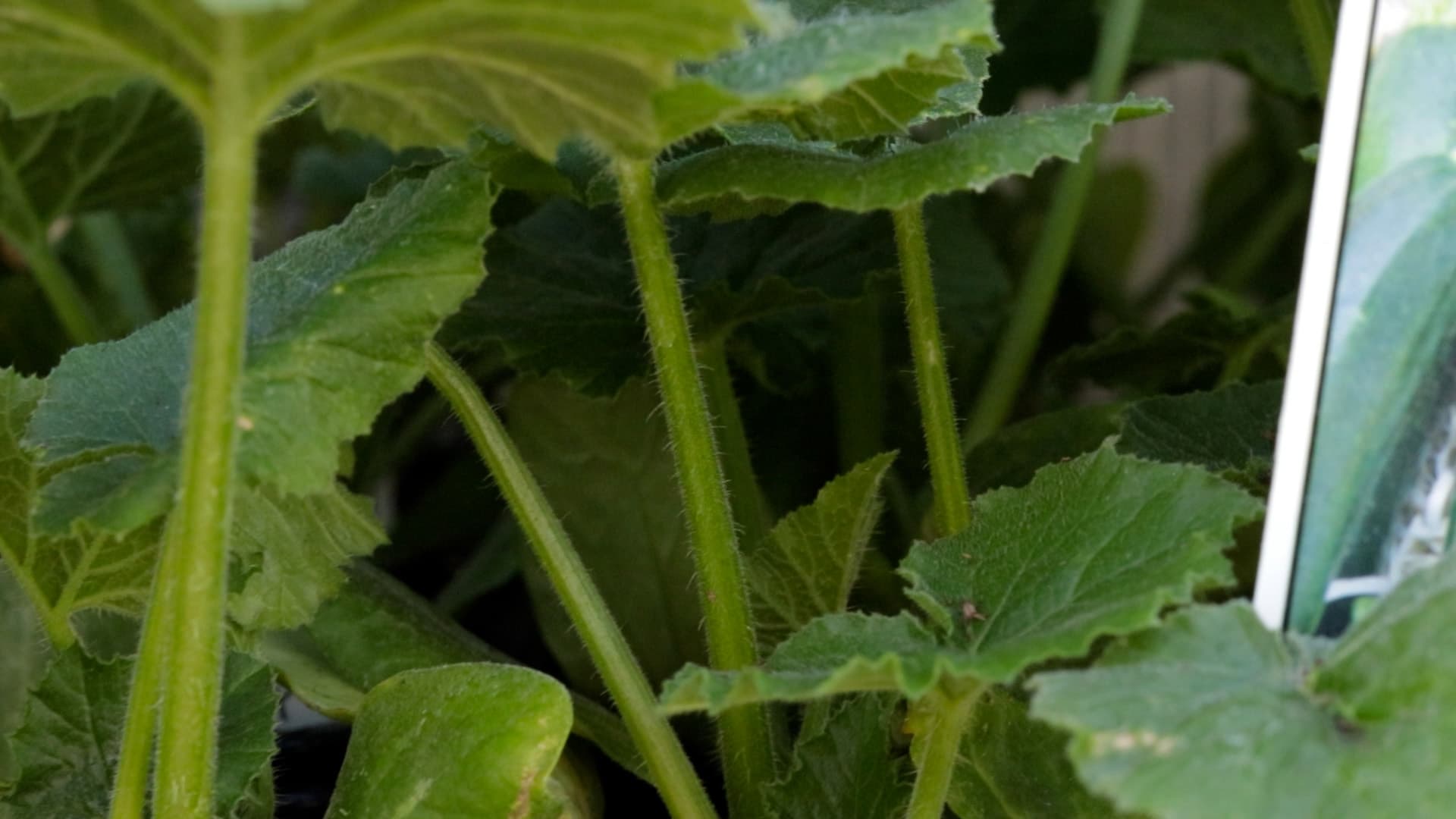
Zucchini
Cucurbitaceae
Days
50d
Depth
1″
Apart
24″
One zucchini plant feeds a family. Two will overwhelm a town.
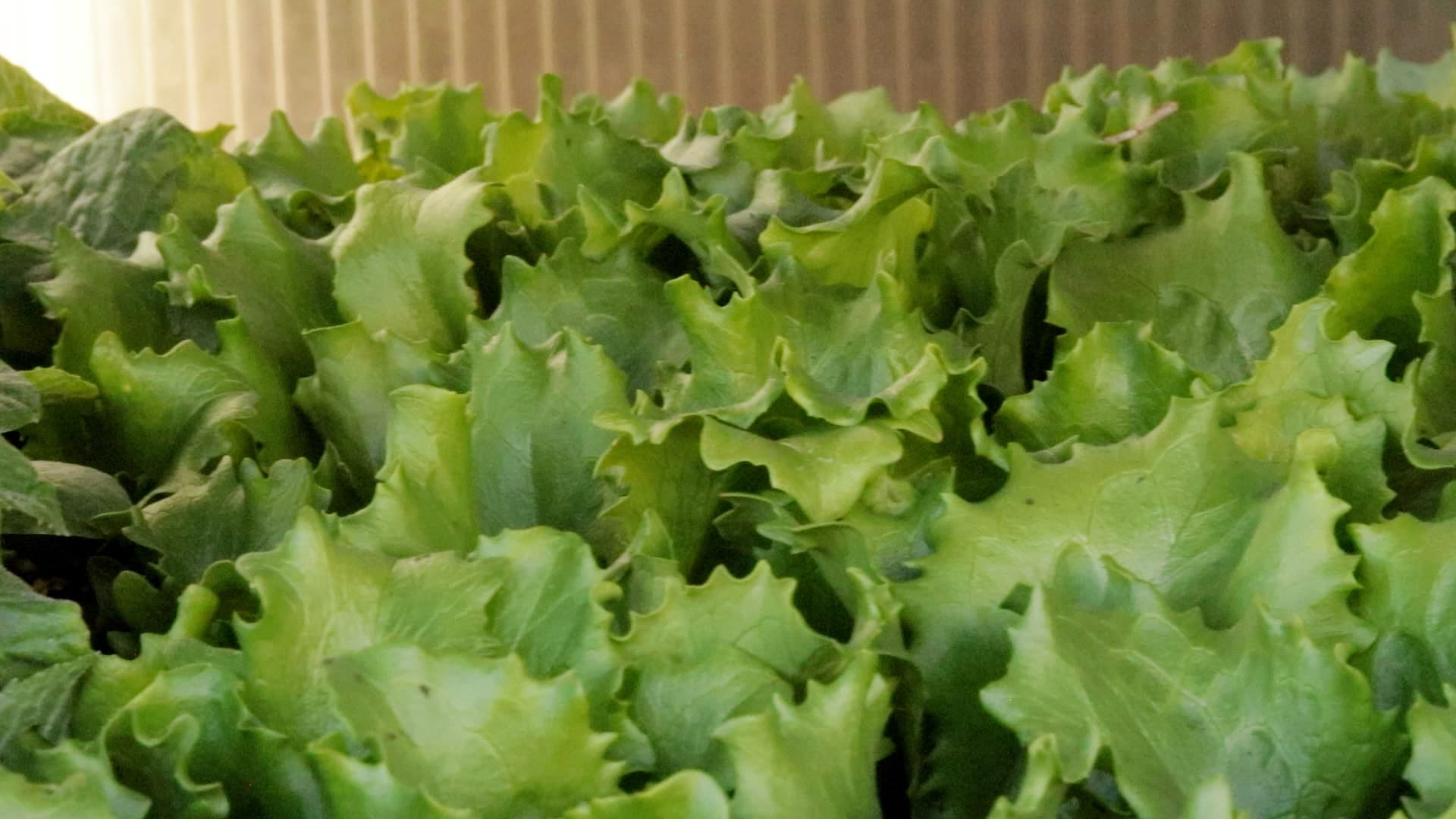
Lettuce
Asteraceae
Days
50d
Depth
0.125″
Apart
8″
Bolts when night temps stay above 70°F -- succession every 2 weeks until late June, then resume in late August.
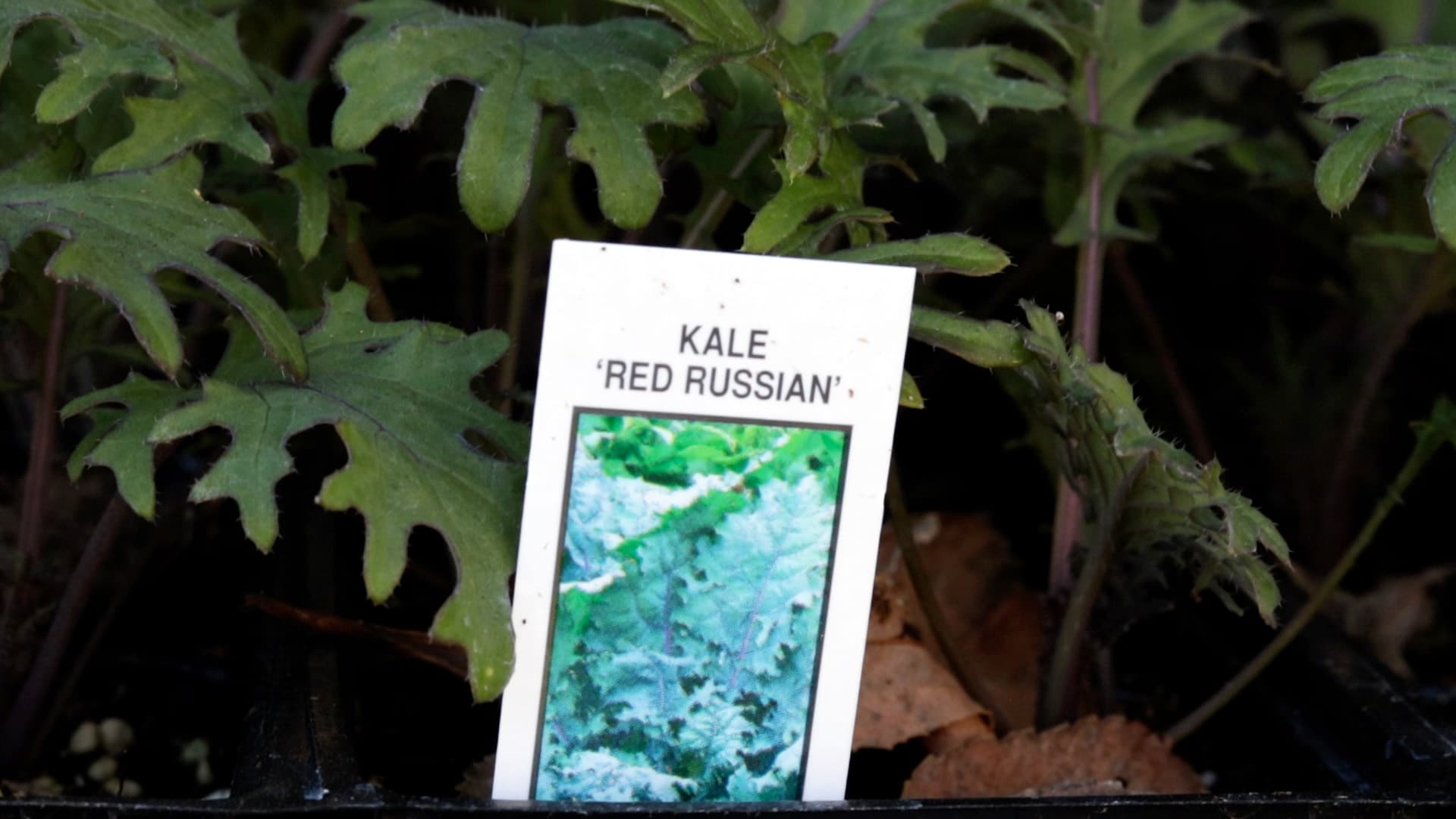
Kale
Brassicaceae
Days
55d
Depth
0.5″
Apart
18″
Sweetens after the first frost. Lacinato (dinosaur) holds quality longest into winter.
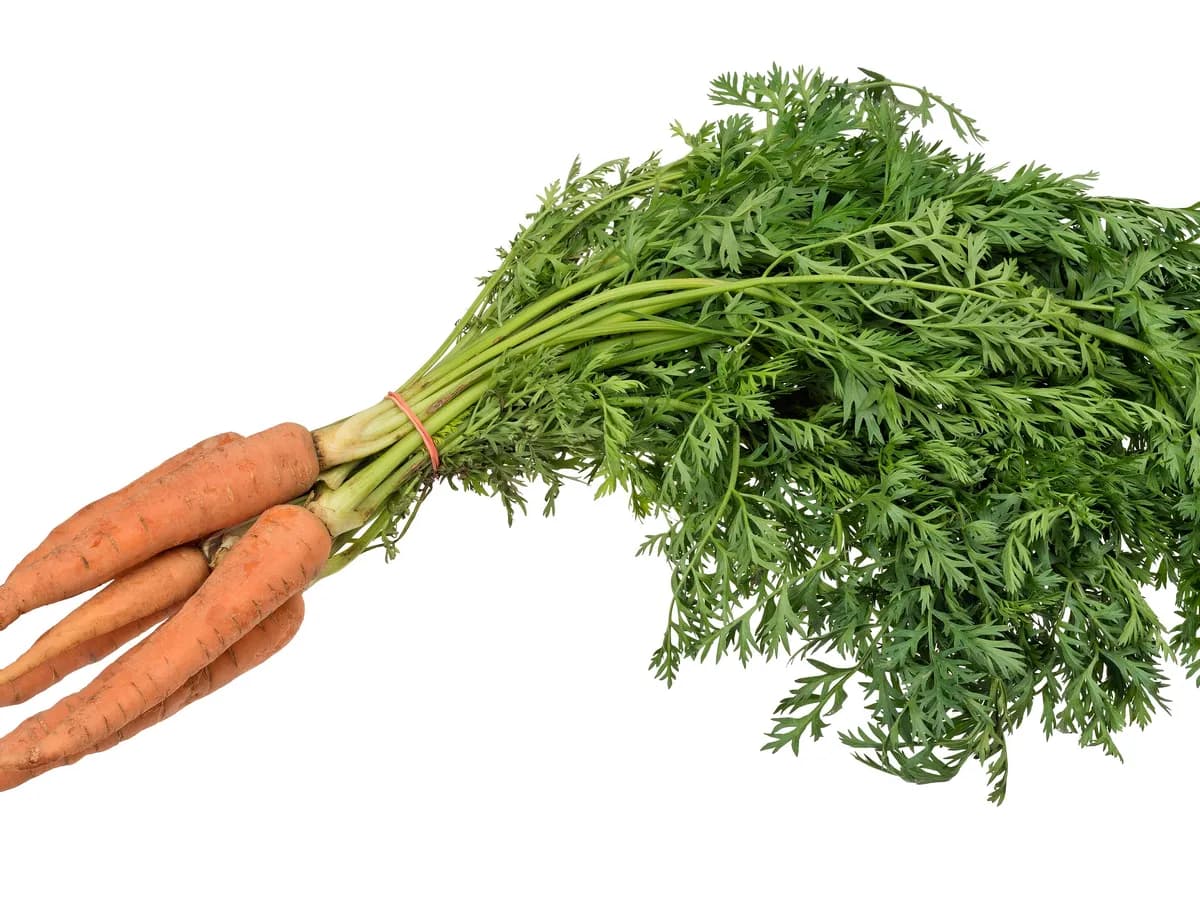
Carrot
Apiaceae
Days
70d
Depth
0.25″
Apart
2″
Don't let the bed dry out before germination -- light burlap cover keeps moisture in for the 14-day wait.
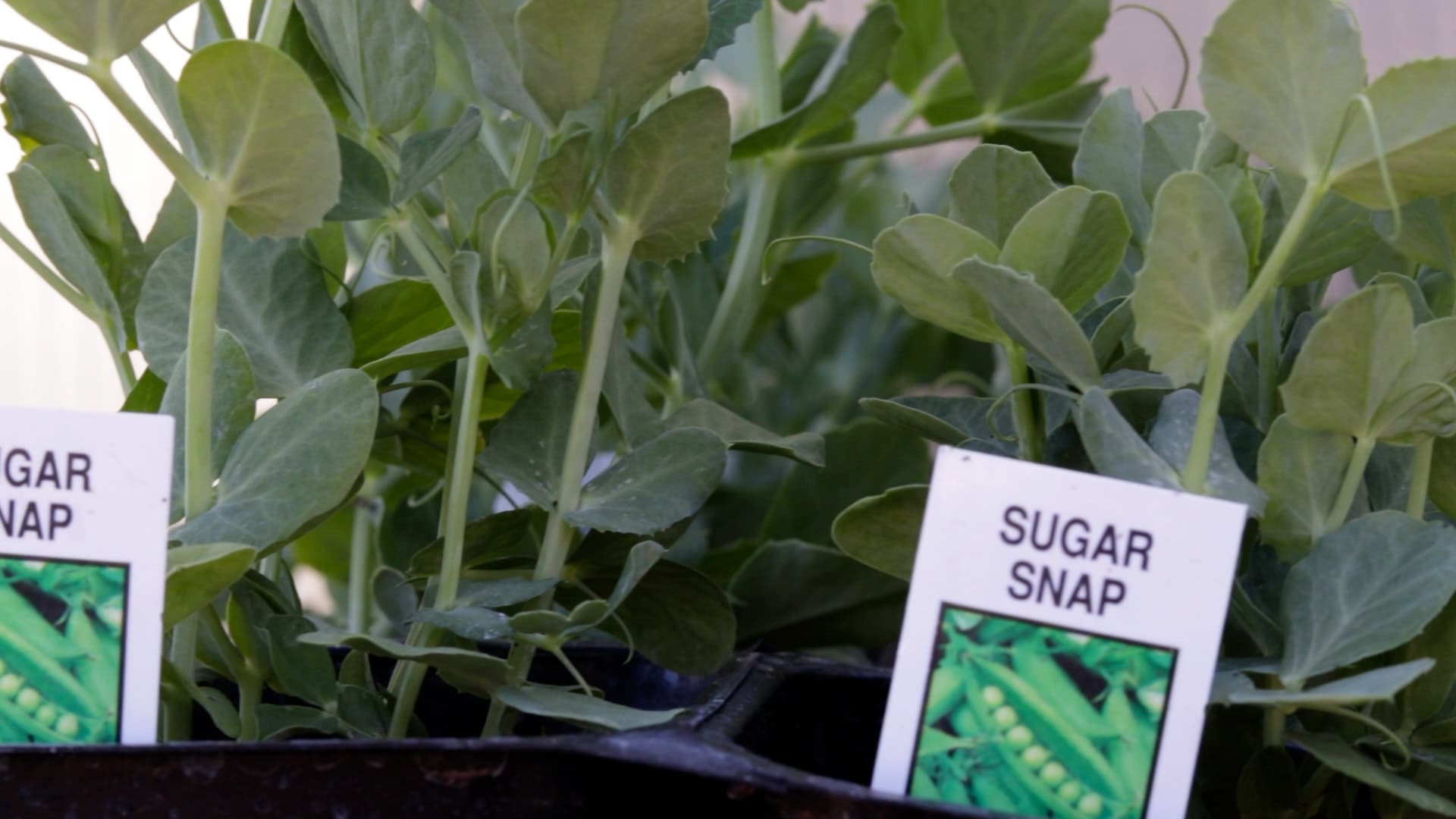
Pea
Fabaceae
Days
60d
Depth
1″
Apart
2″
Trellis from day one -- they will find it. Pinch the tops to thicken the vines.
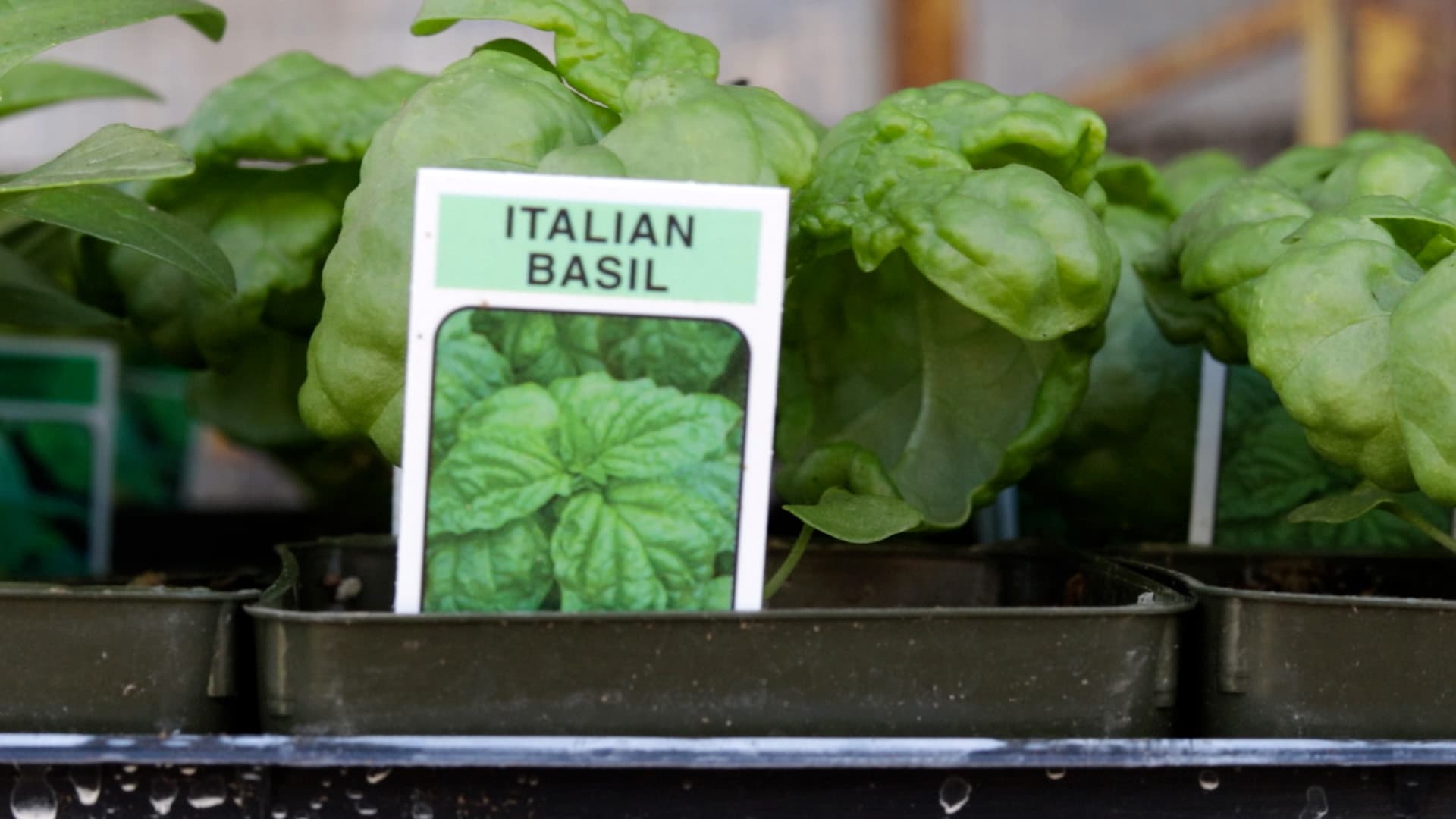
Basil
Lamiaceae
Days
60d
Depth
0.125″
Apart
8″
Pinch flower spikes the moment you see them -- flowering = bitter leaves and shorter life.
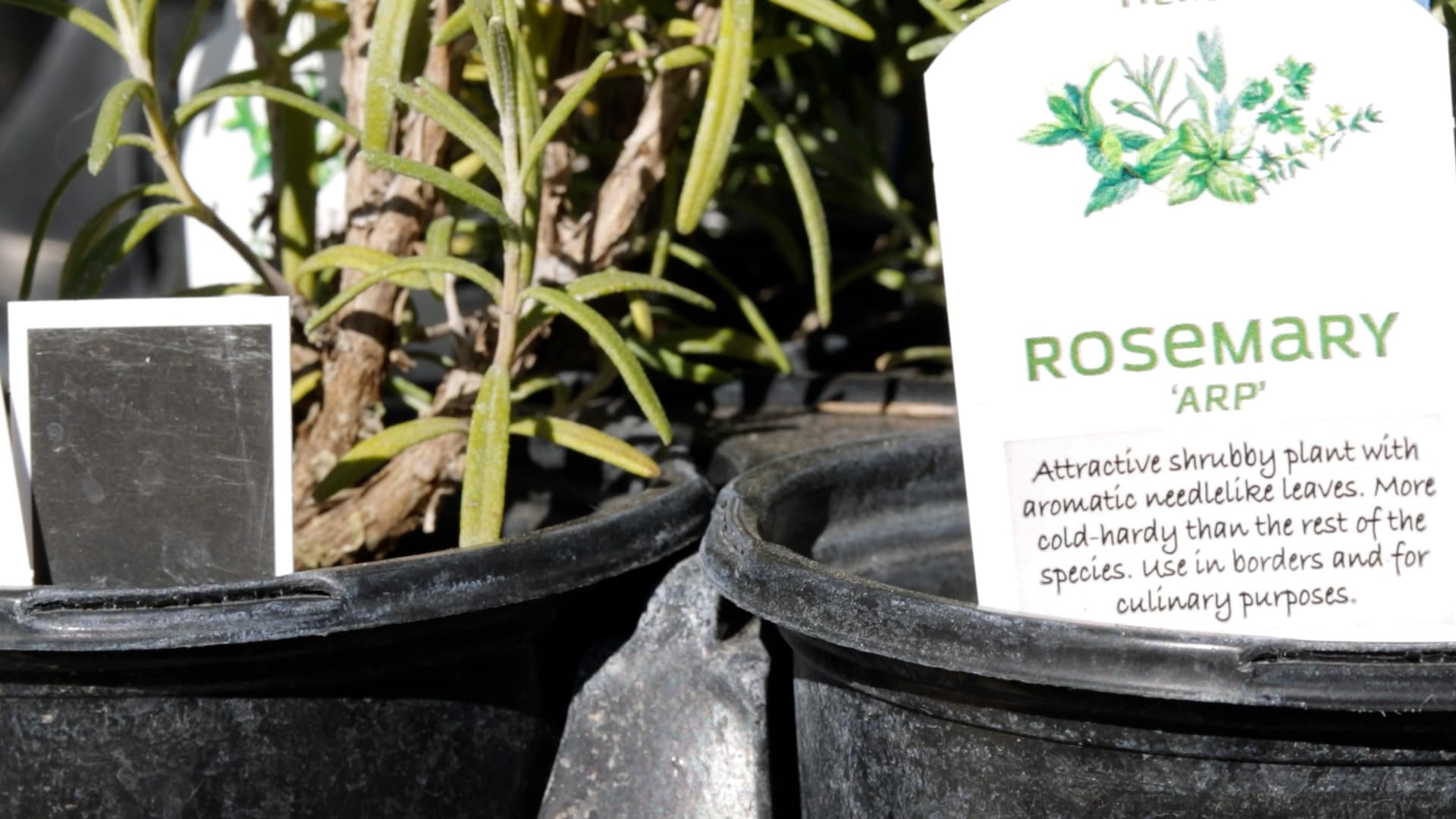
Rosemary
Lamiaceae
Days
120d
Depth
0.0625″
Apart
24″
Borderline hardy in Utah -- bring potted plants inside before hard freeze, or treat as annual.
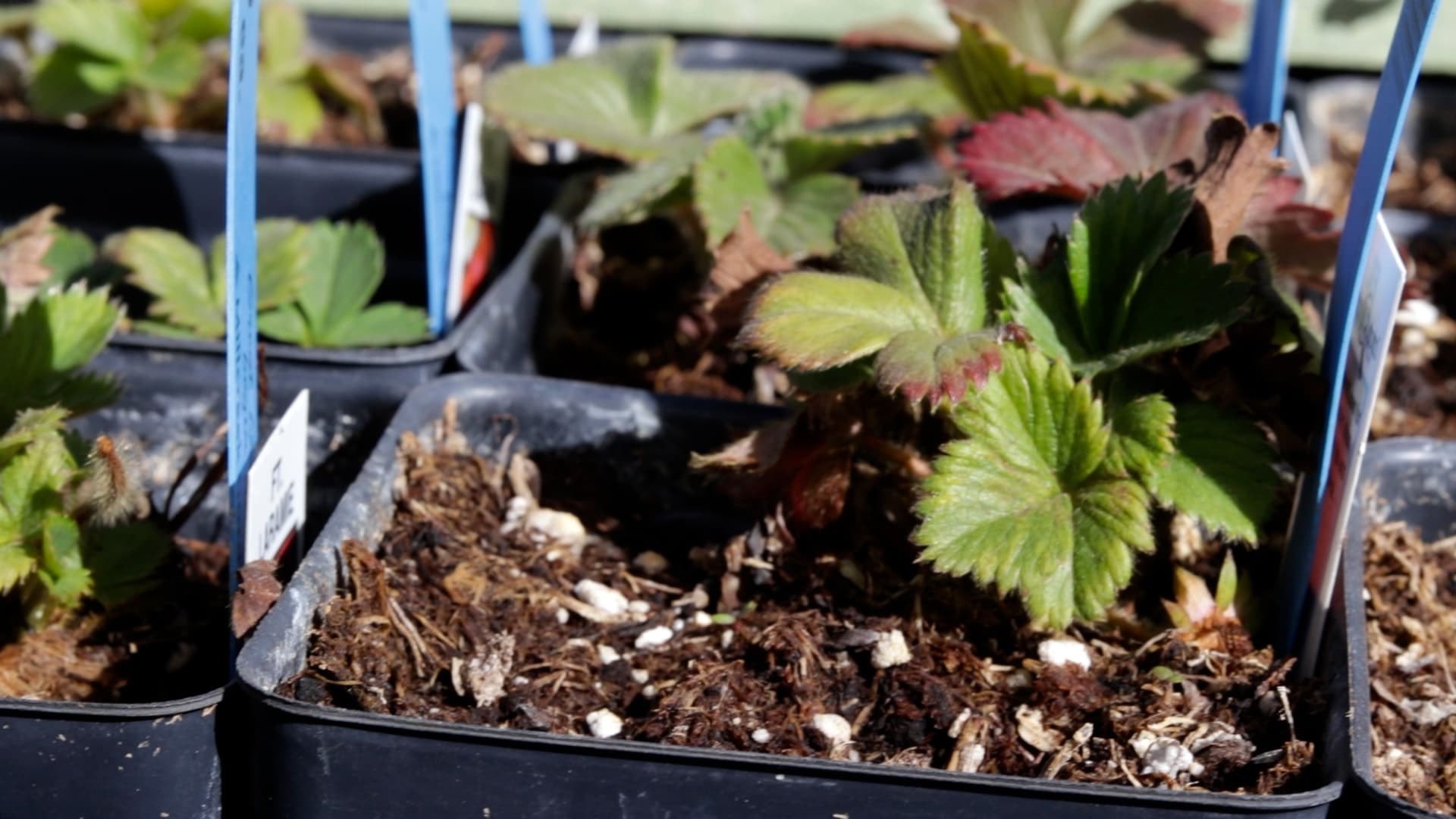
Strawberry
Rosaceae
Days
90d
Depth
0.5″
Apart
12″
Everbearing varieties (Quinault, Eversweet) crop spring AND fall. Pinch flowers the first year for stronger crowns.
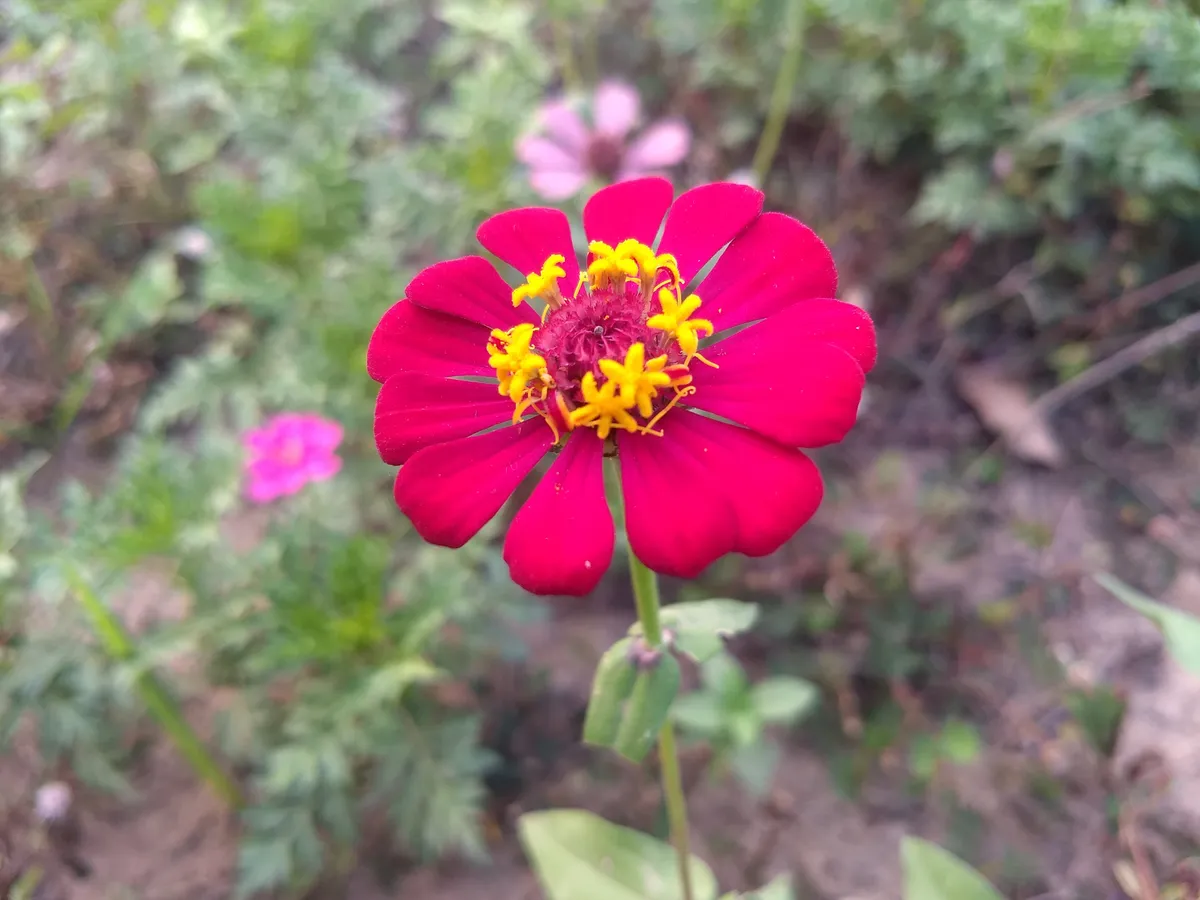
Zinnia
Asteraceae
Days
70d
Depth
0.25″
Apart
12″
Cut and come again -- the more you cut, the more it blooms. Benary's Giants are the cut-flower workhorse.
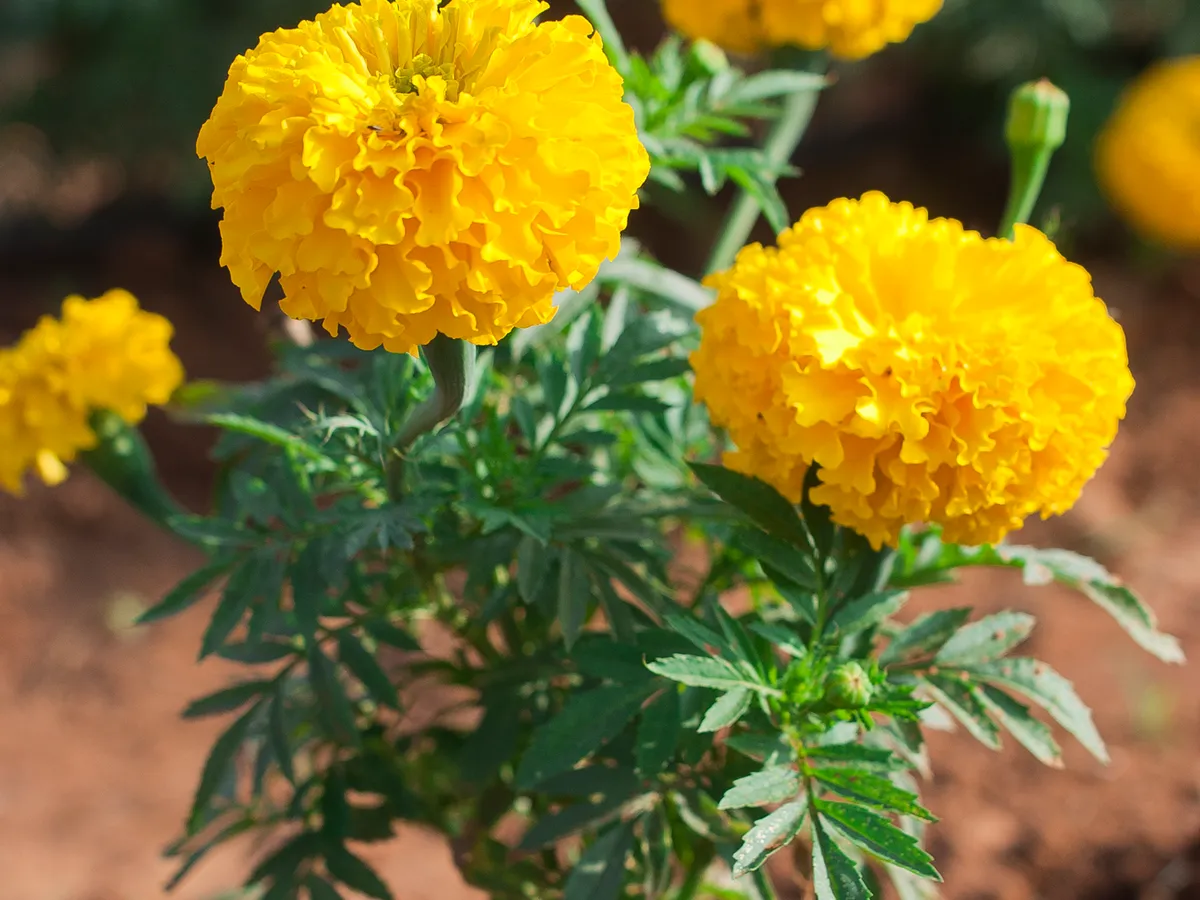
Marigold
Asteraceae
Days
50d
Depth
0.25″
Apart
8″
Repels root-knot nematodes -- interplant with tomatoes. Deadhead for continuous bloom.

Sunflower
Asteraceae
Days
80d
Depth
1″
Apart
18″
Mammoth varieties hit 12 ft. ProCut series gives single-stem cut flowers in 60 days.
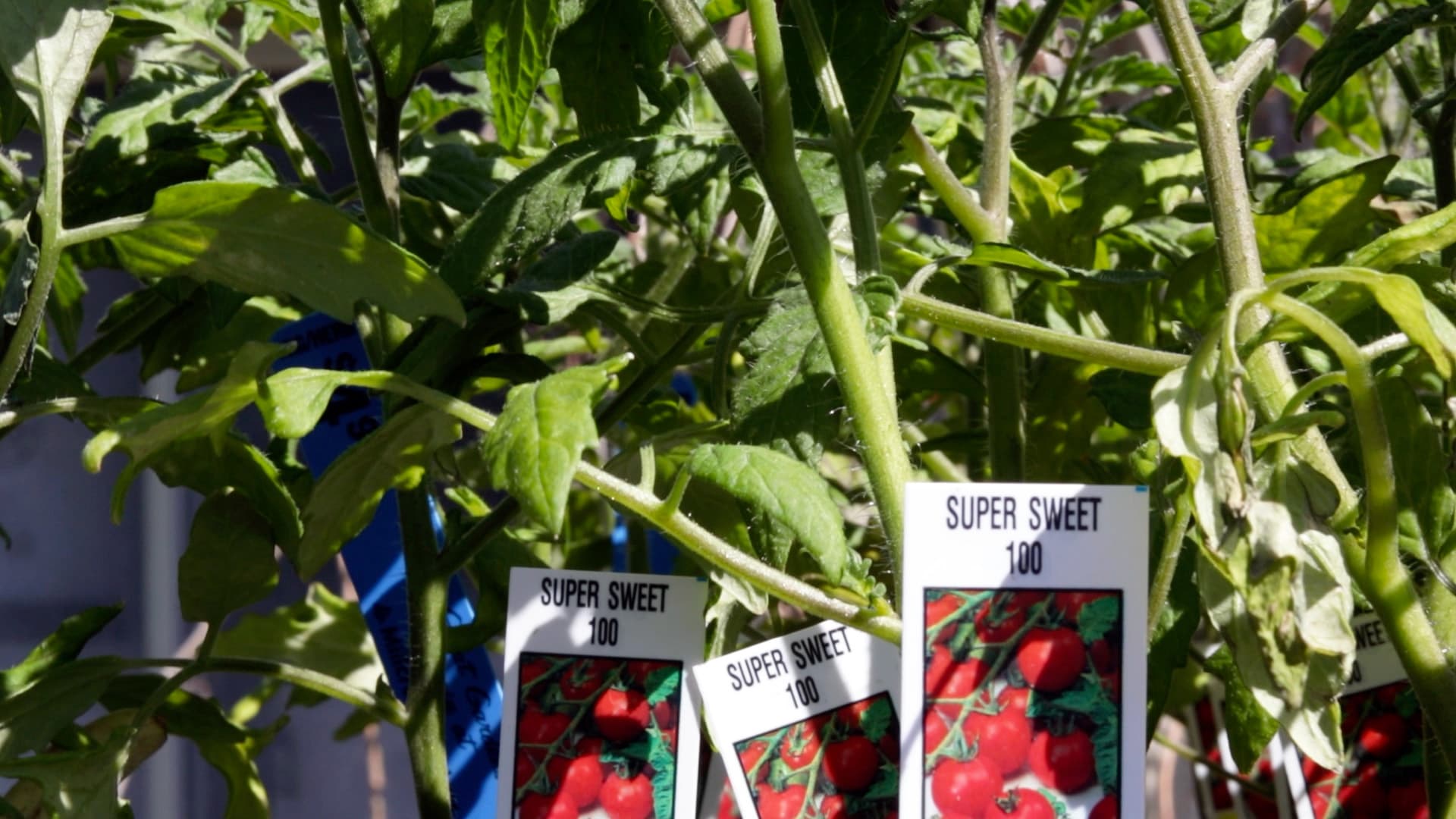
Cherry Tomato
Solanaceae
Days
65d
Depth
0.25″
Apart
24″
Sweet 100, Sungold, Sweet Million -- pick a yellow + a red so kids ask for both. Indeterminate -- they don't stop.
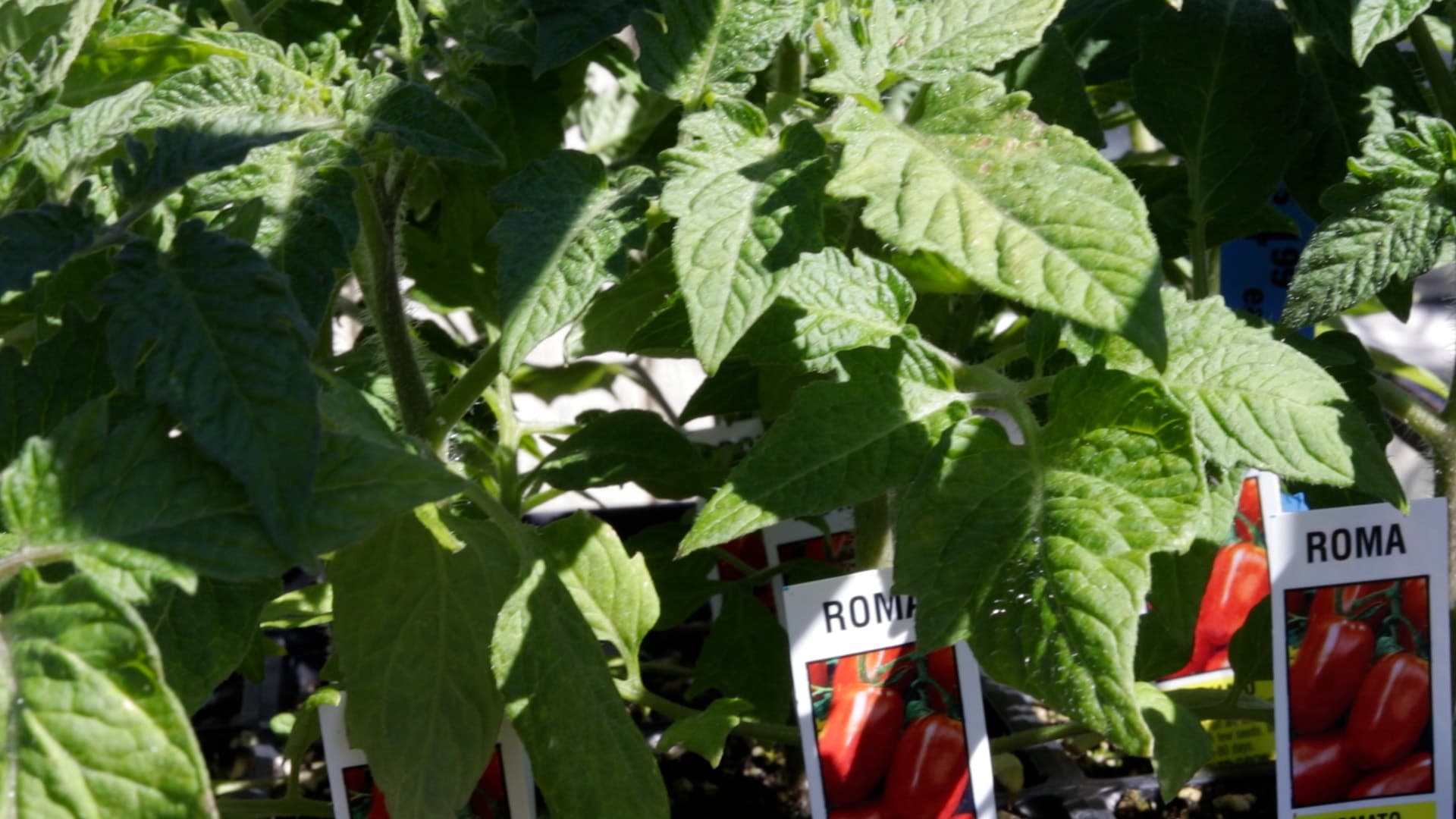
Roma Tomato
Solanaceae
Days
75d
Depth
0.25″
Apart
24″
Determinate paste tomato. Fruits ripen together -- best for canning, salsa, sauce. Less juice, more flesh.
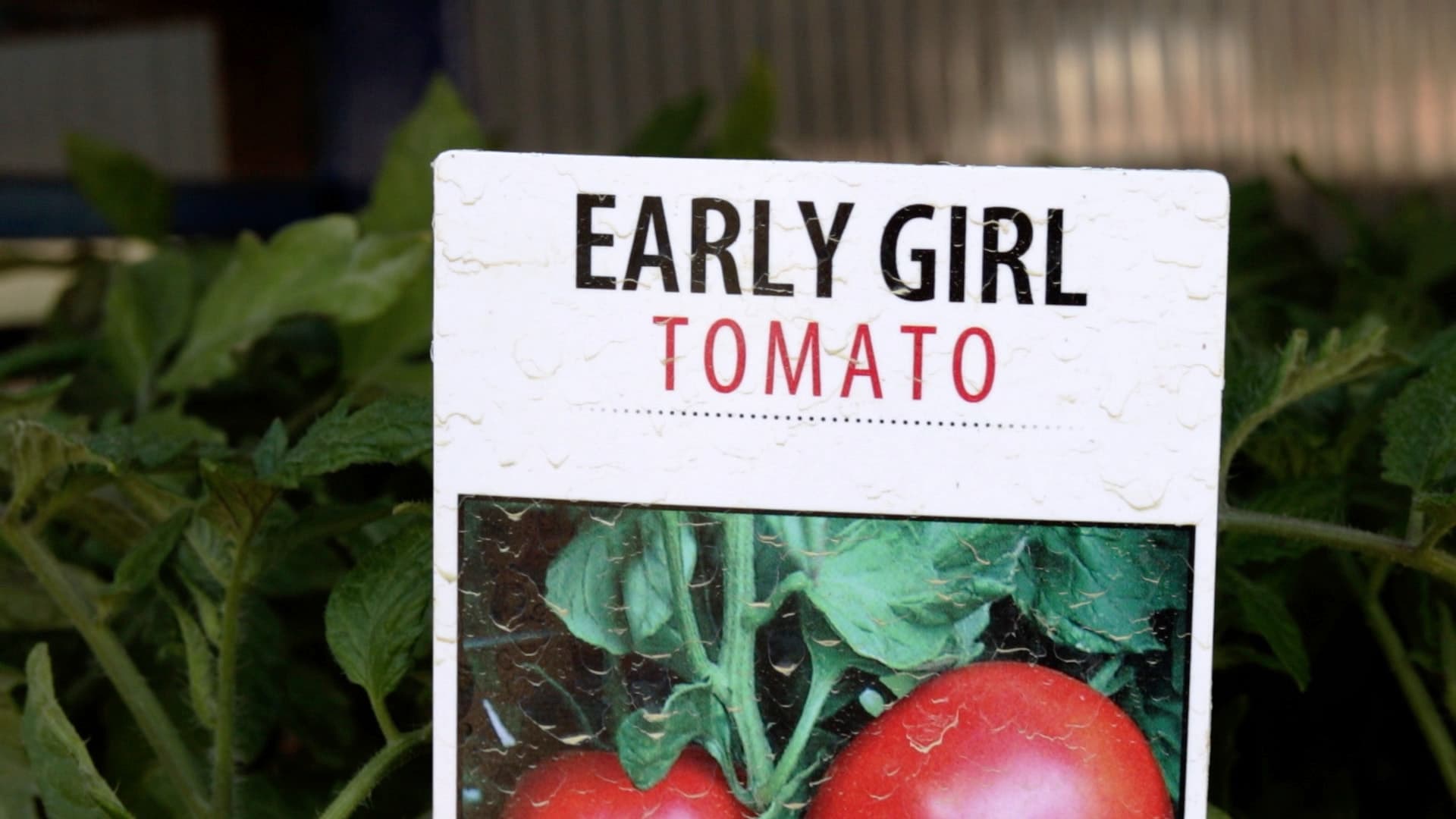
Early Girl Tomato
Solanaceae
Days
55d
Depth
0.25″
Apart
24″
First ripe tomato of the year -- earlier than anything else for slicing. Indeterminate but compact.
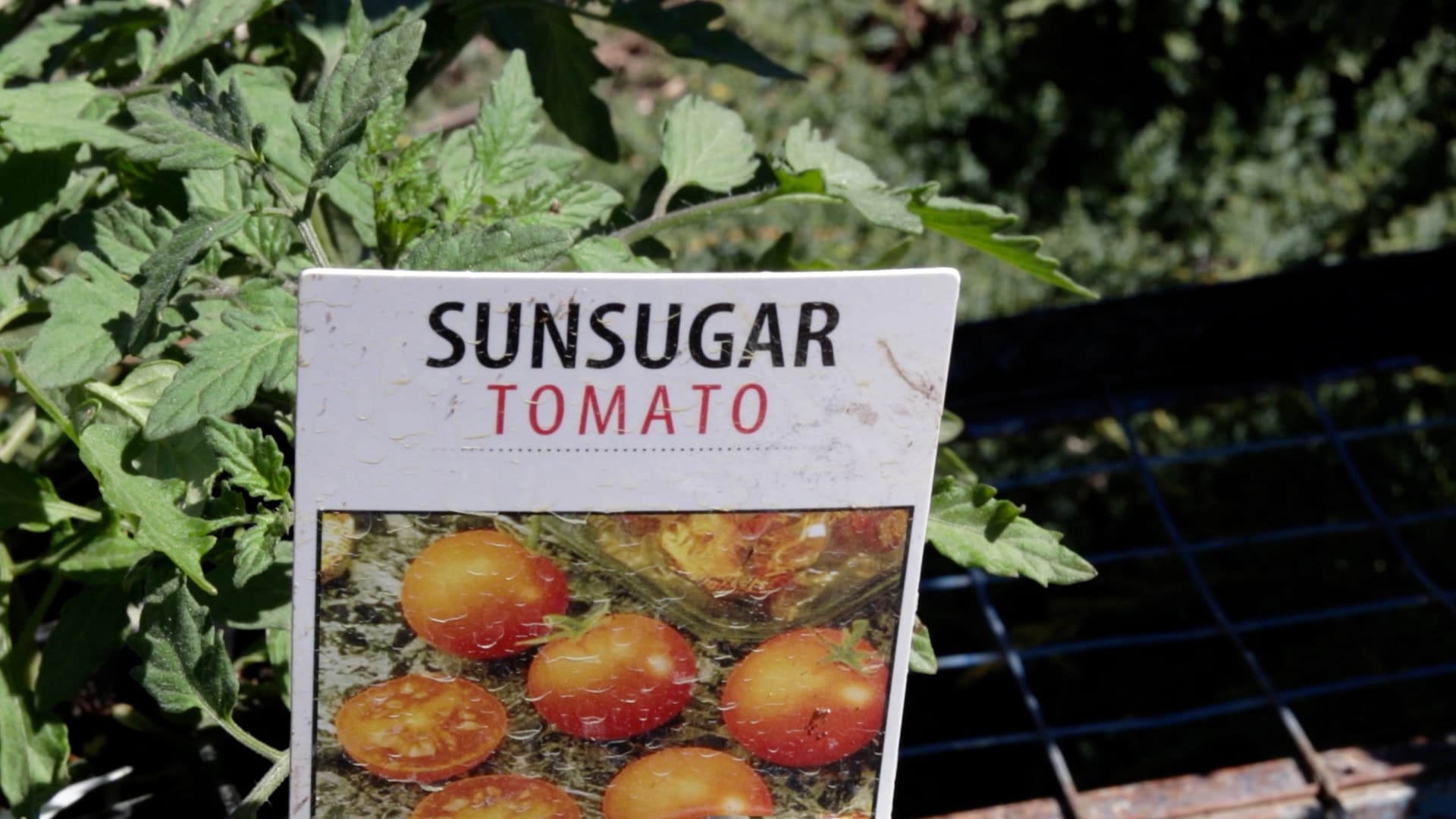
Sun Sugar Tomato
Solanaceae
Days
62d
Depth
0.25″
Apart
24″
Honey-sweet golden cherry. Crack-resistant where Sungold splits. Our staff favorite -- they don't make it inside.
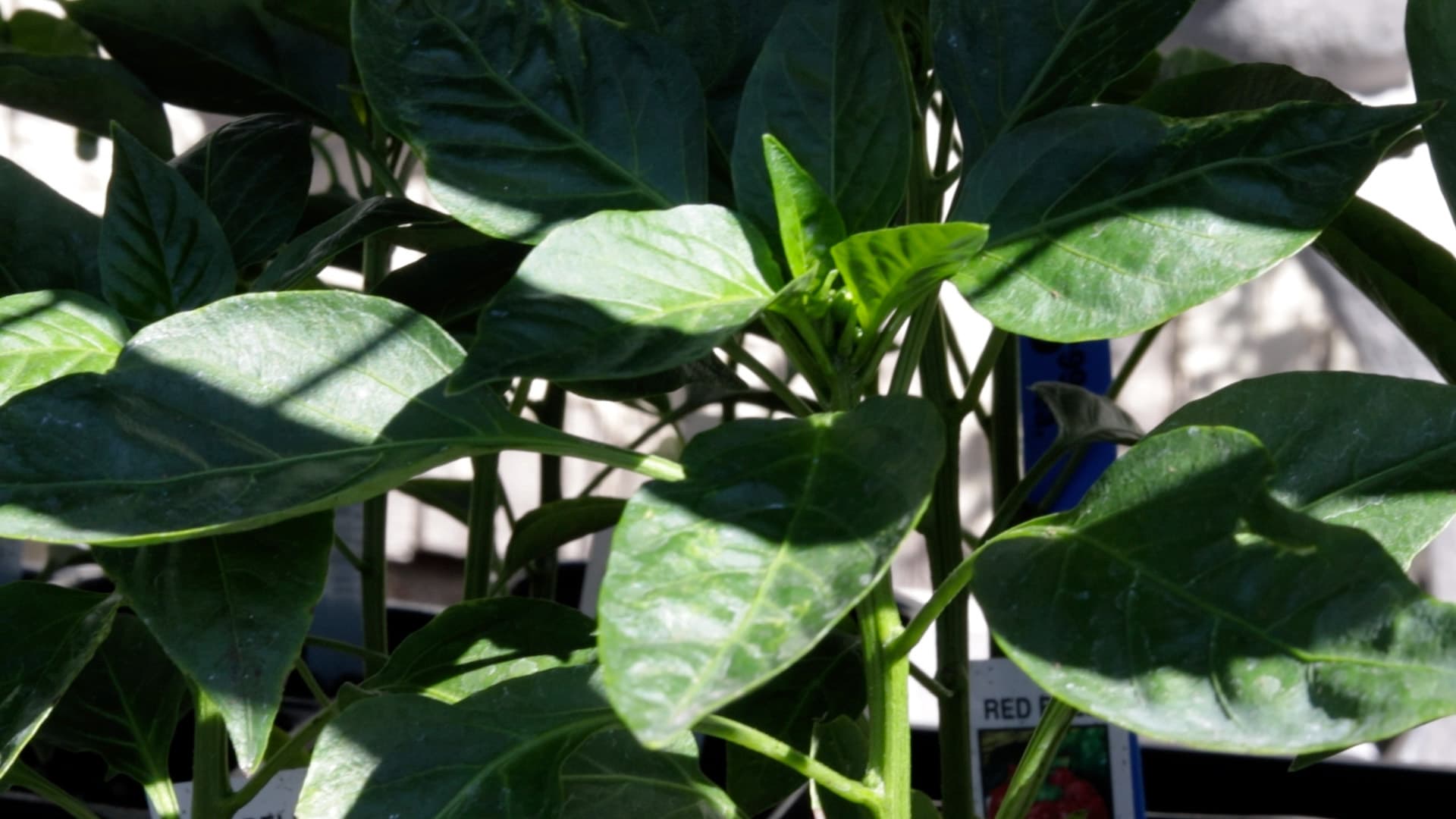
Red Bell Pepper
Solanaceae
Days
75d
Depth
0.25″
Apart
18″
Sweet, no-heat. Most varieties start green -- leave on the plant 2-3 more weeks for full red color and triple sugar.
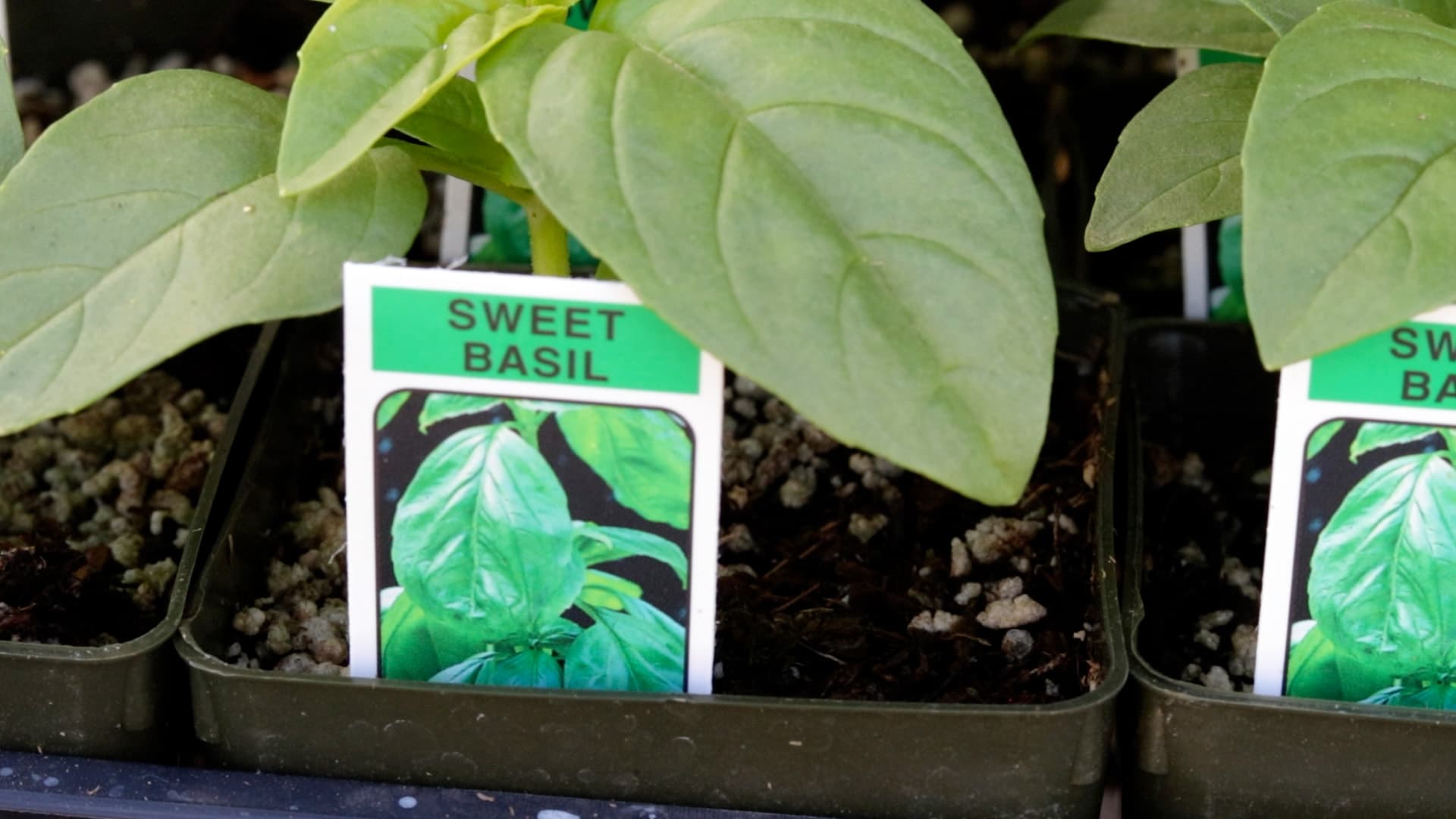
Sweet Basil
Lamiaceae
Days
60d
Depth
0.125″
Apart
8″
Genovese-style. The pesto basil. Fast bolting in heat -- pinch flowers aggressively.
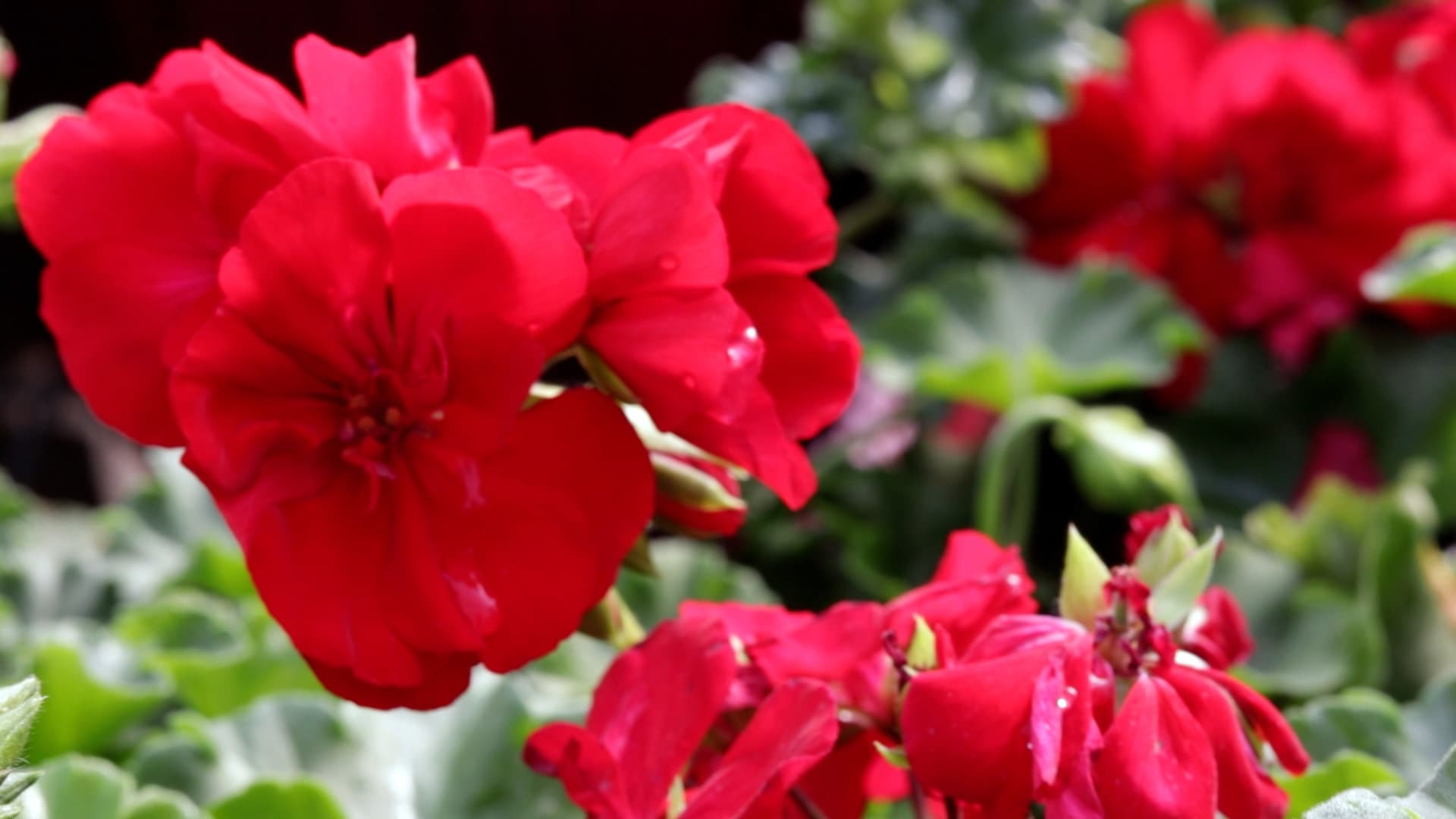
Geranium
Geraniaceae
Days
90d
Depth
0.0625″
Apart
12″
The hanging-basket workhorse. Pelargonium, technically. Deadhead for continuous bloom all summer.
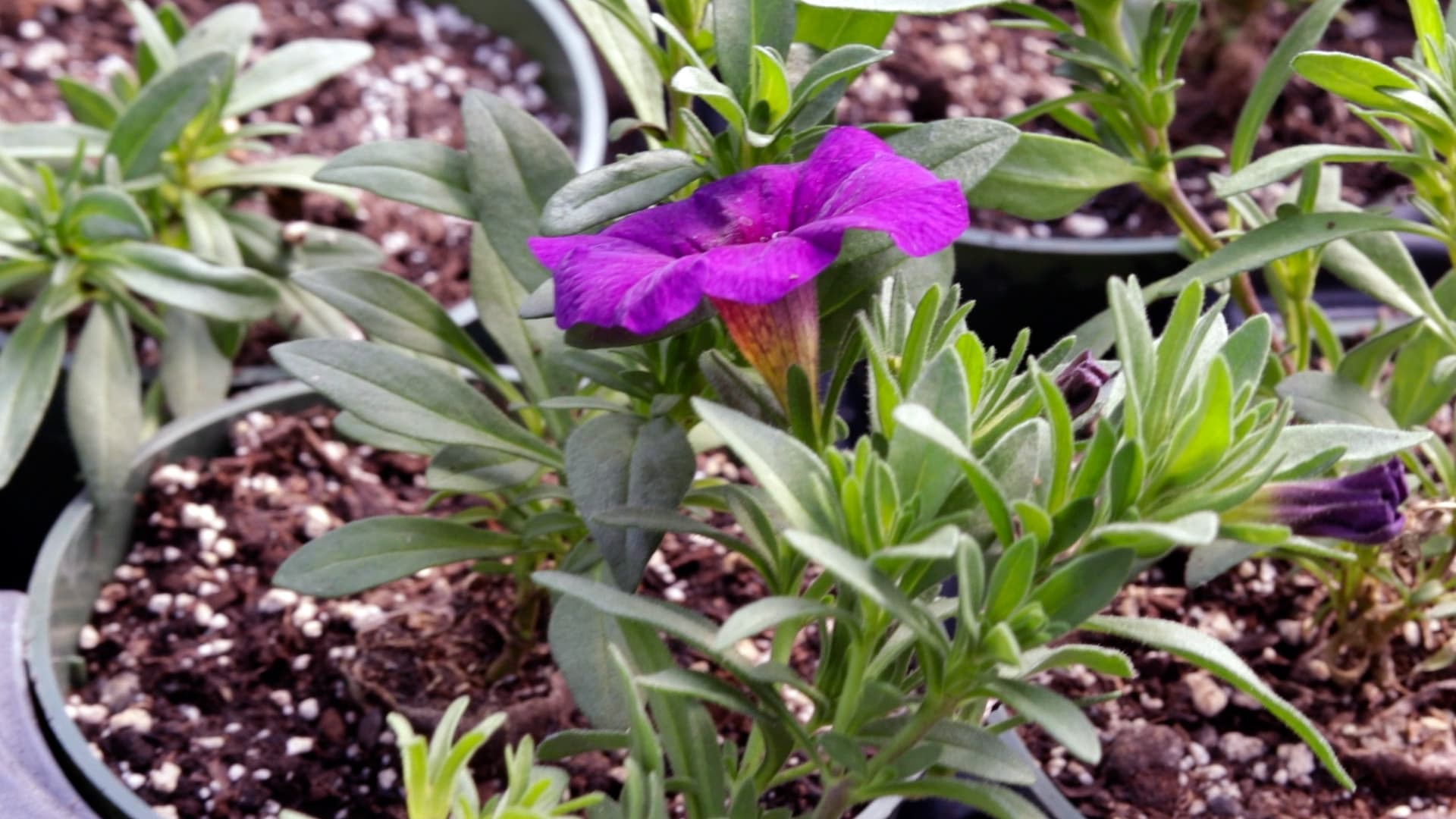
Petchoa Supercal
Solanaceae
Days
80d
Depth
0.0625″
Apart
10″
Petunia x calibrachoa hybrid. More vigor than calibrachoa, larger flowers than petunia. Mother's Day basket favorite.
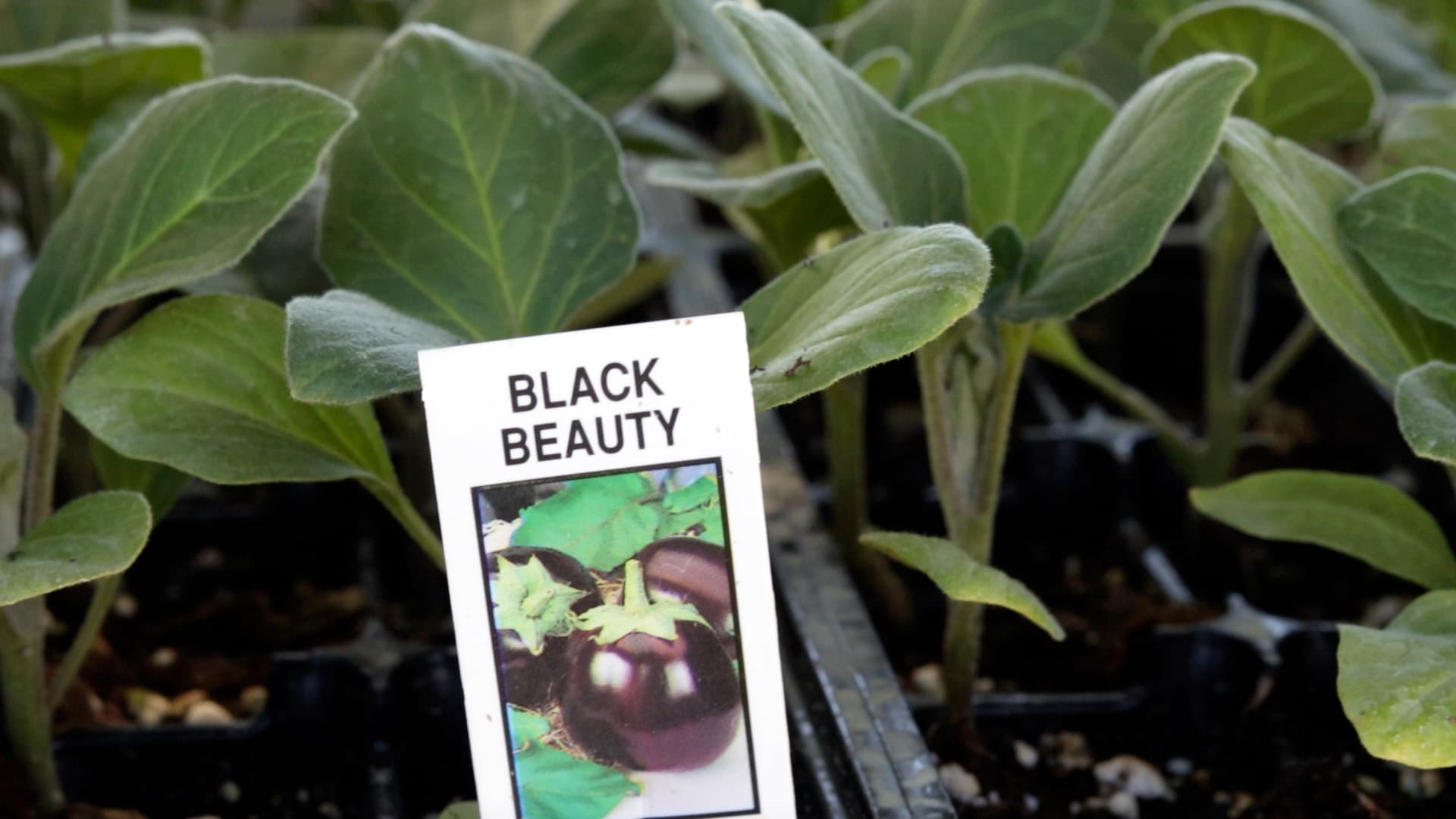
Eggplant
Solanaceae
Days
75d
Depth
0.25″
Apart
24″
Heat lover -- black plastic mulch helps in our short Utah summers.
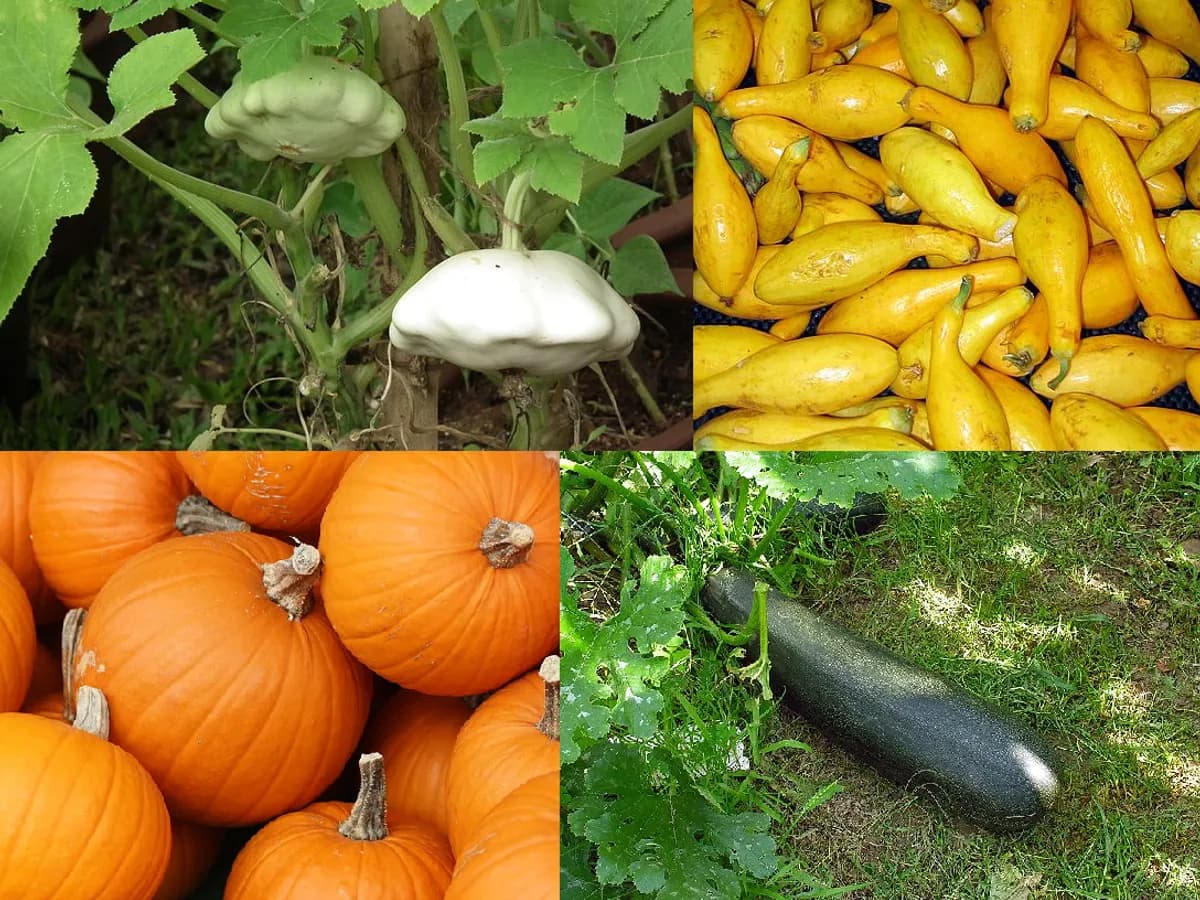
Summer Squash
Cucurbitaceae
Days
50d
Depth
1″
Apart
24″
Yellow crookneck and patty pan in this category. Pick small for best flavor.
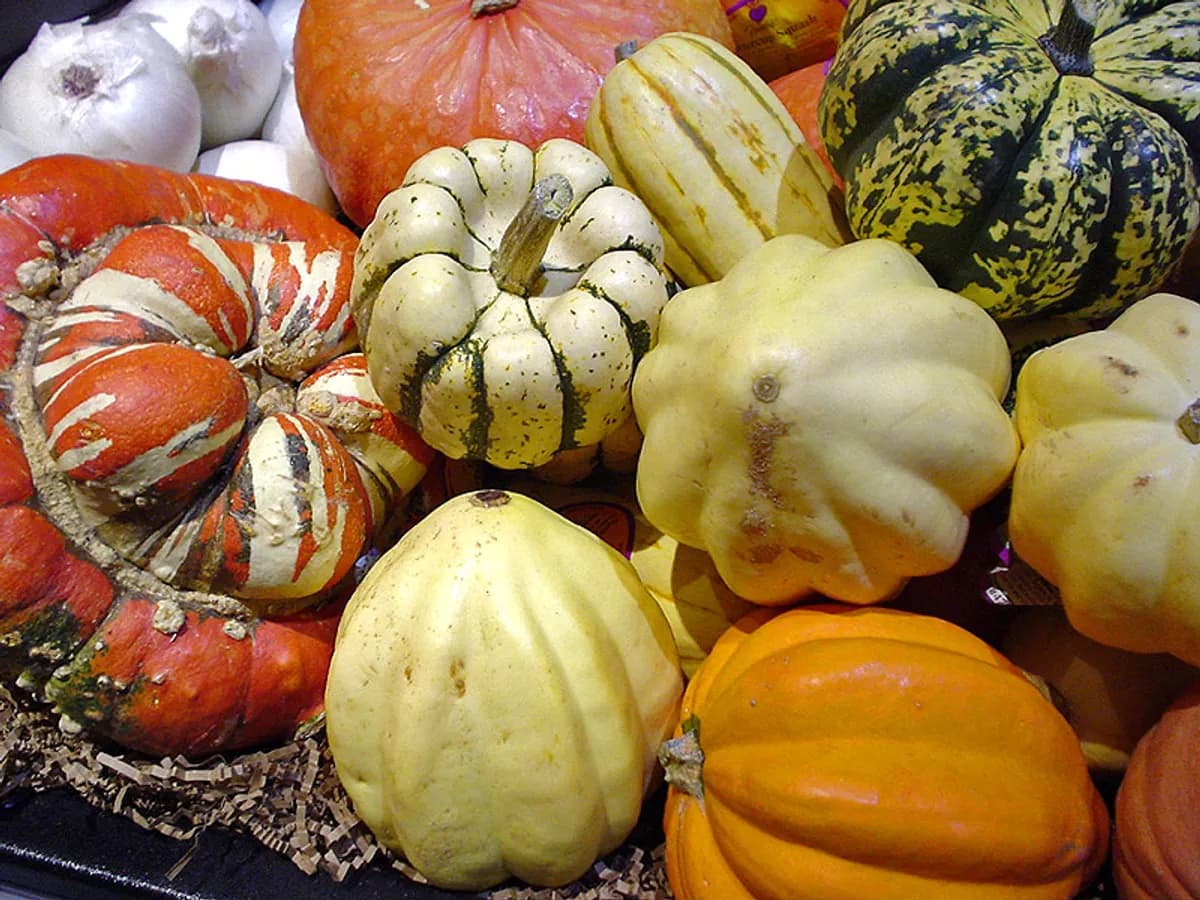
Winter Squash
Cucurbitaceae
Days
95d
Depth
1″
Apart
36″
Cure for two weeks at 80°F to sweeten and harden the rind for winter storage.
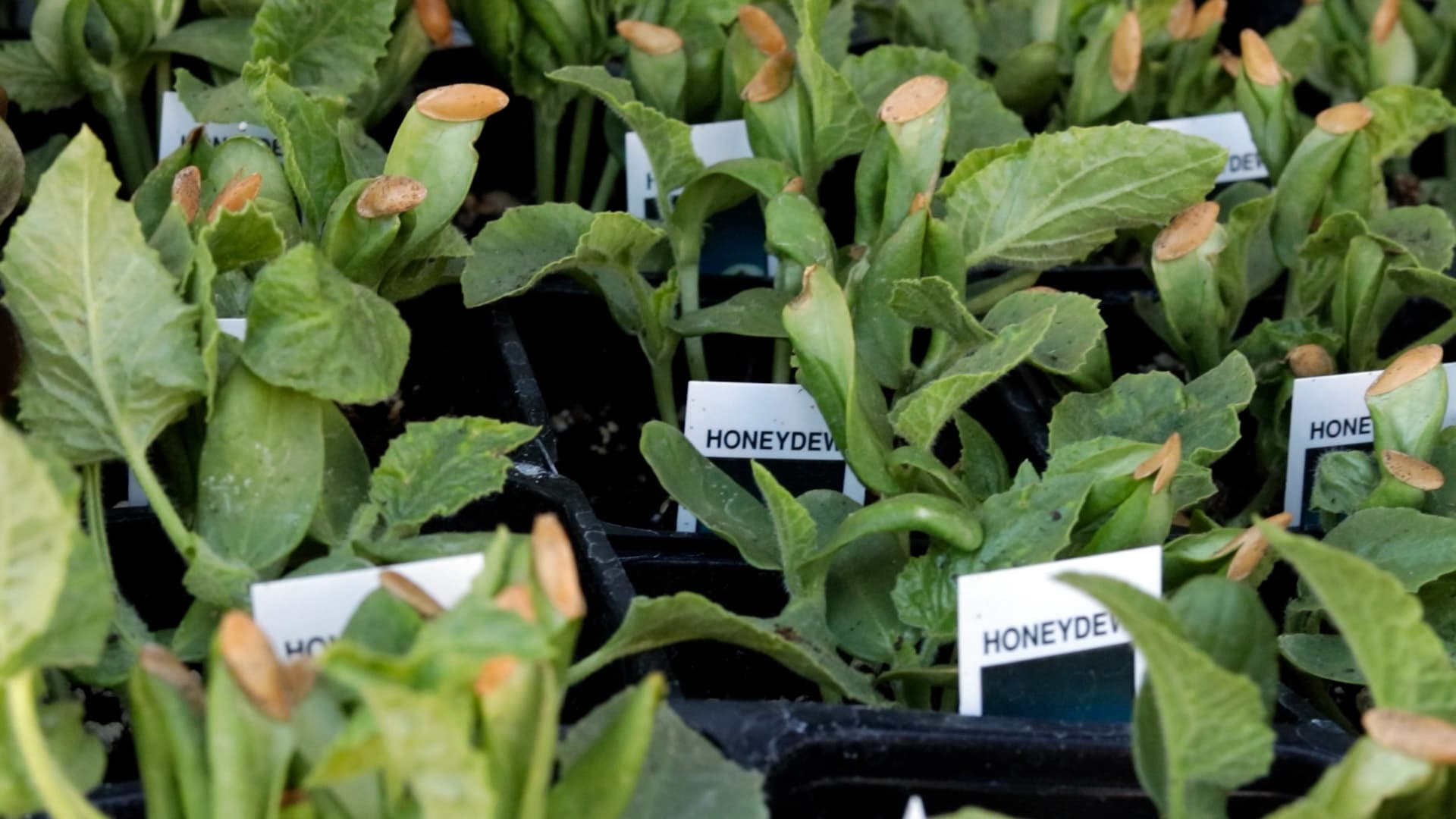
Melon
Cucurbitaceae
Days
80d
Depth
1″
Apart
24″
Stop watering a week before harvest to concentrate the sugars.

Sweet Corn
Poaceae
Days
75d
Depth
1″
Apart
12″
Plant in blocks of at least 4 rows for proper pollination, not single long rows.
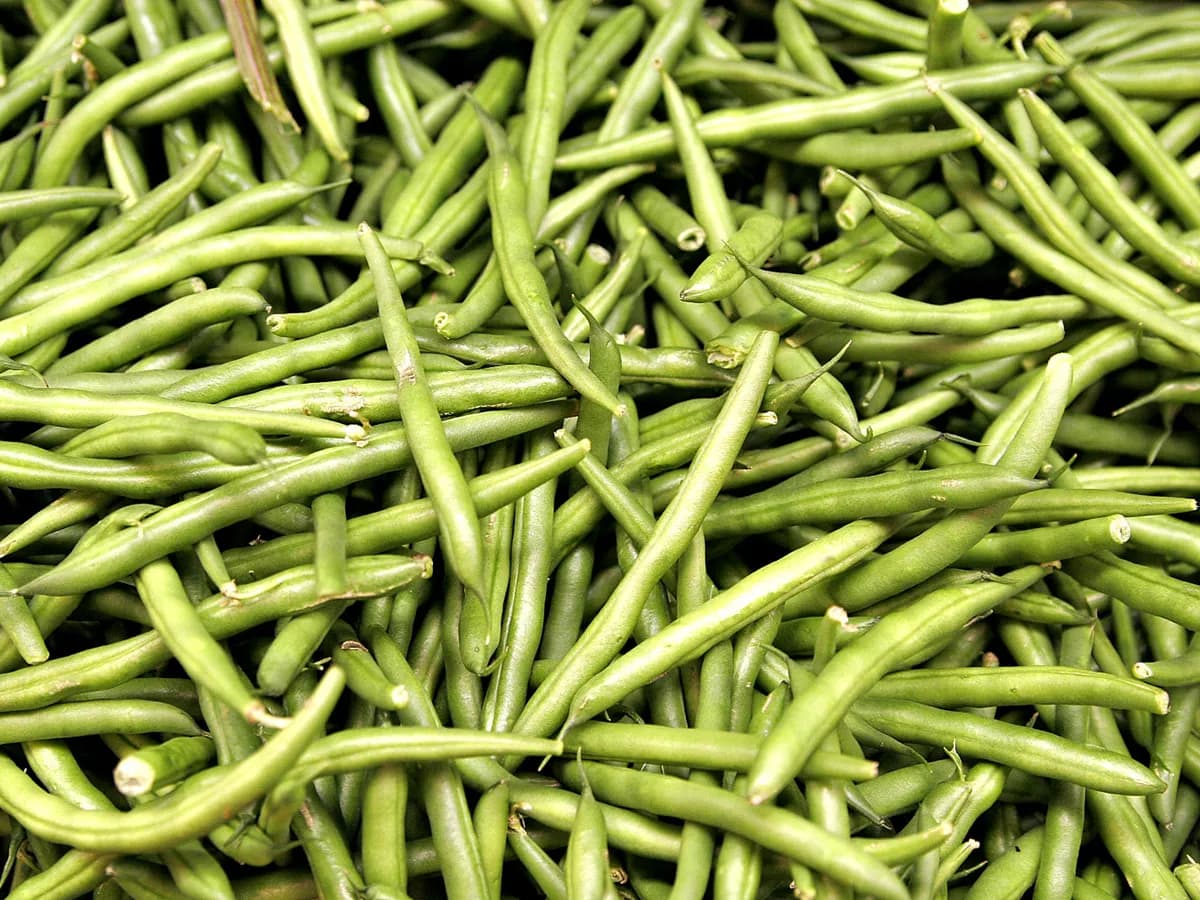
Beans (Bush)
Fabaceae
Days
55d
Depth
1″
Apart
4″
Inoculate seed with rhizobia the first time you plant a bed -- fixes its own nitrogen after that.
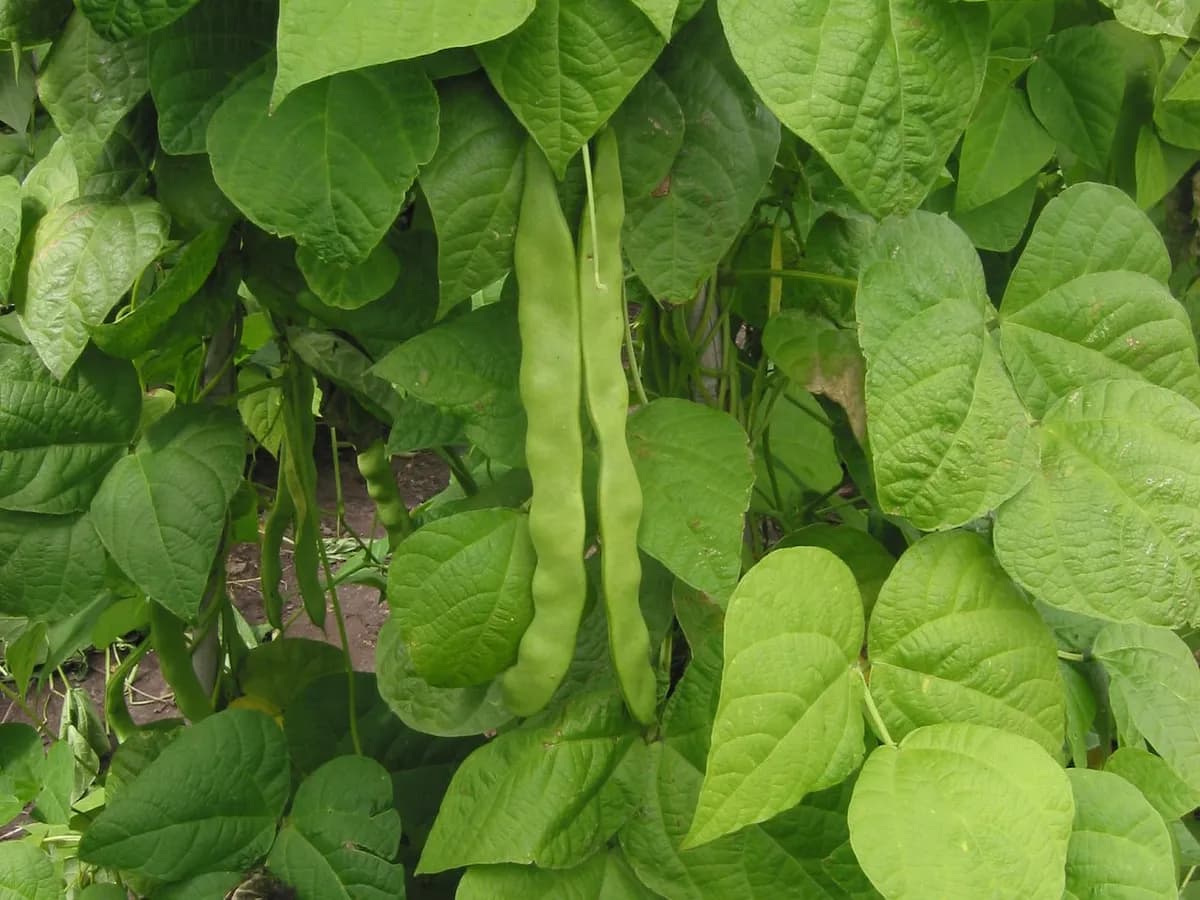
Pole Beans
Fabaceae
Days
65d
Depth
1″
Apart
6″
Trellis 6 ft tall. Pick every other day at peak -- they hide on the vine.
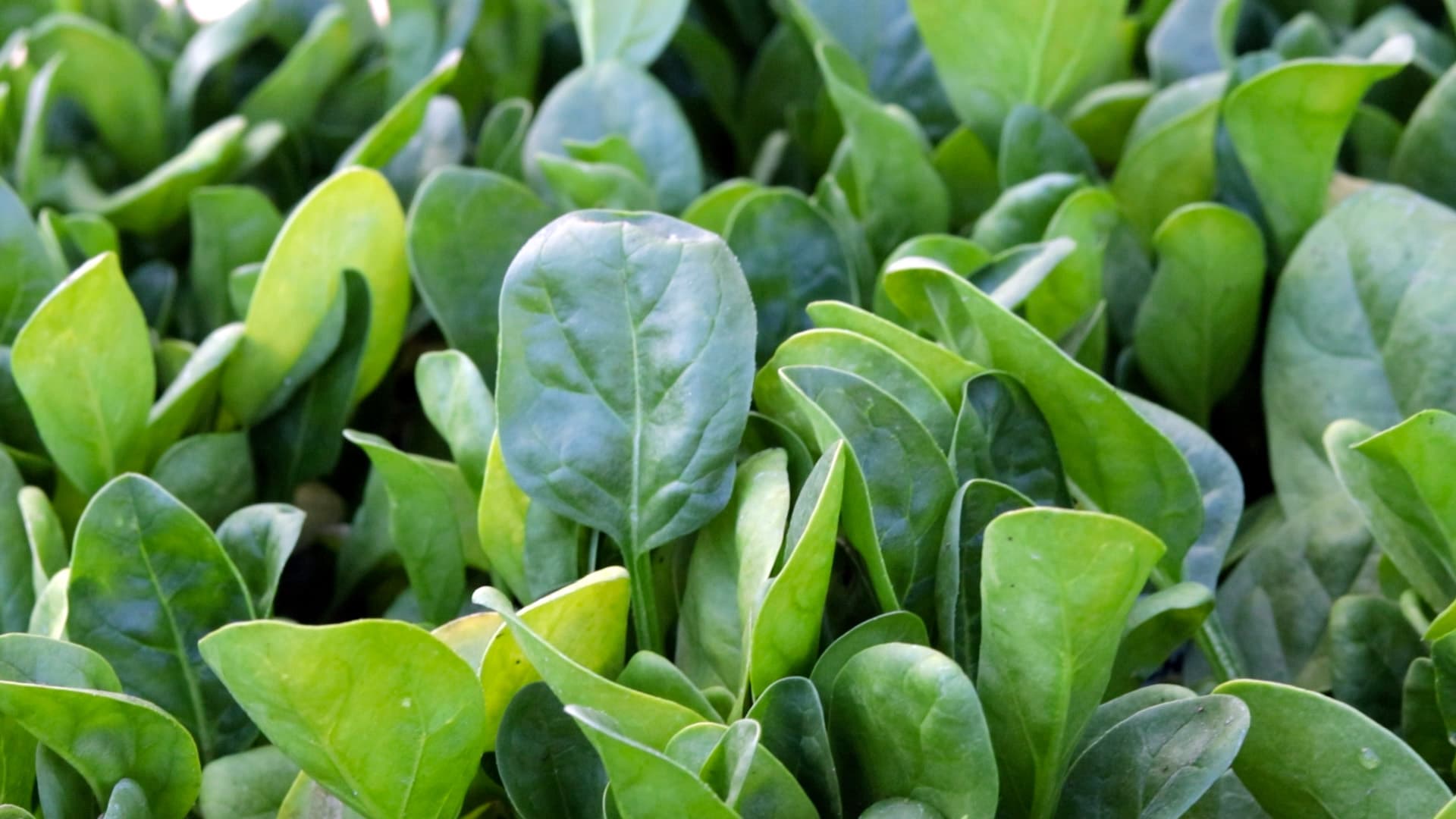
Spinach
Amaranthaceae
Days
40d
Depth
0.5″
Apart
4″
Fall is the better crop in Utah -- sow Aug 15 for harvest into November under a cold frame.
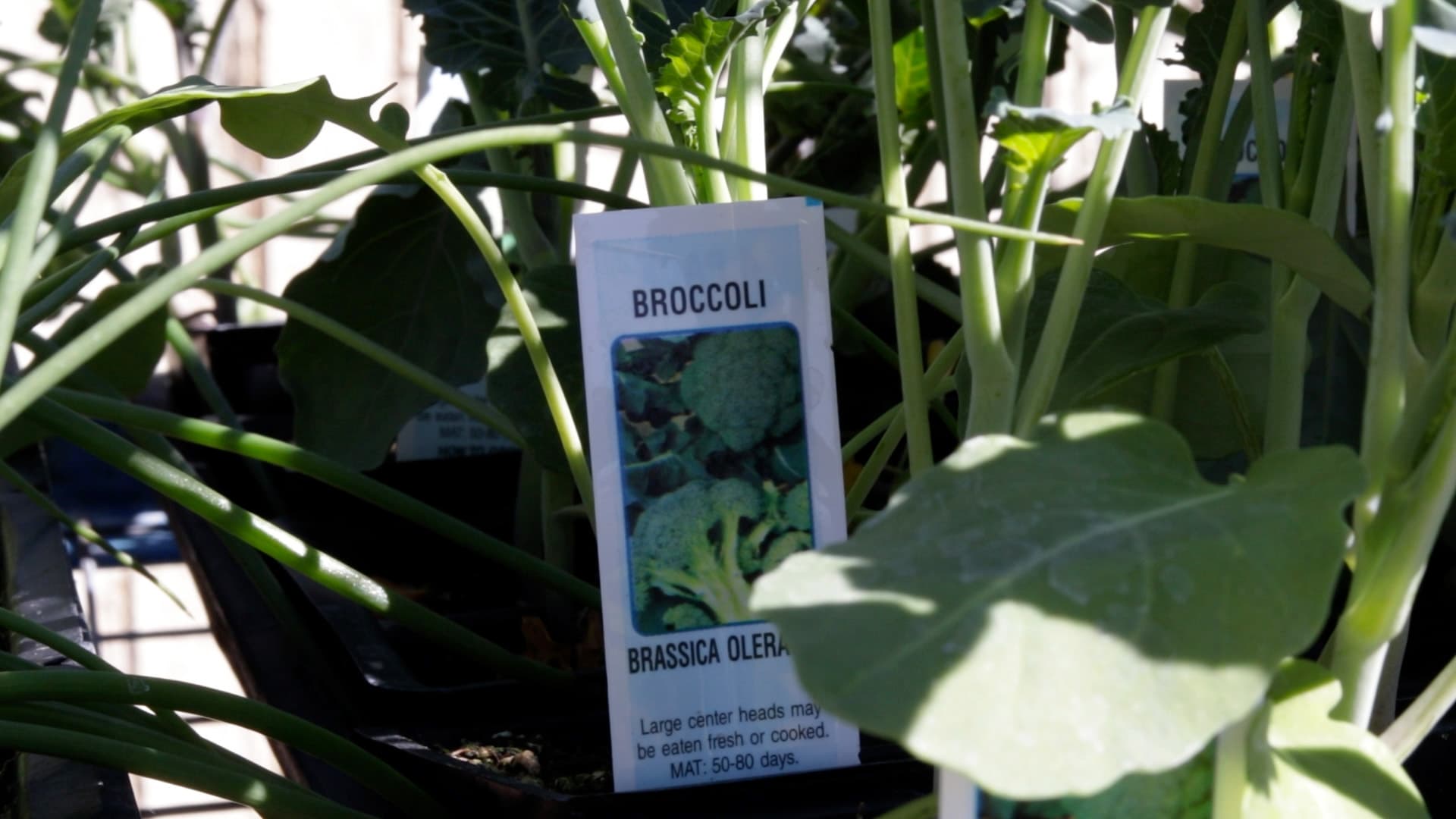
Broccoli
Brassicaceae
Days
60d
Depth
0.5″
Apart
18″
Heads bolt in heat -- best as a fall crop here. Start seed mid-June, transplant late July.
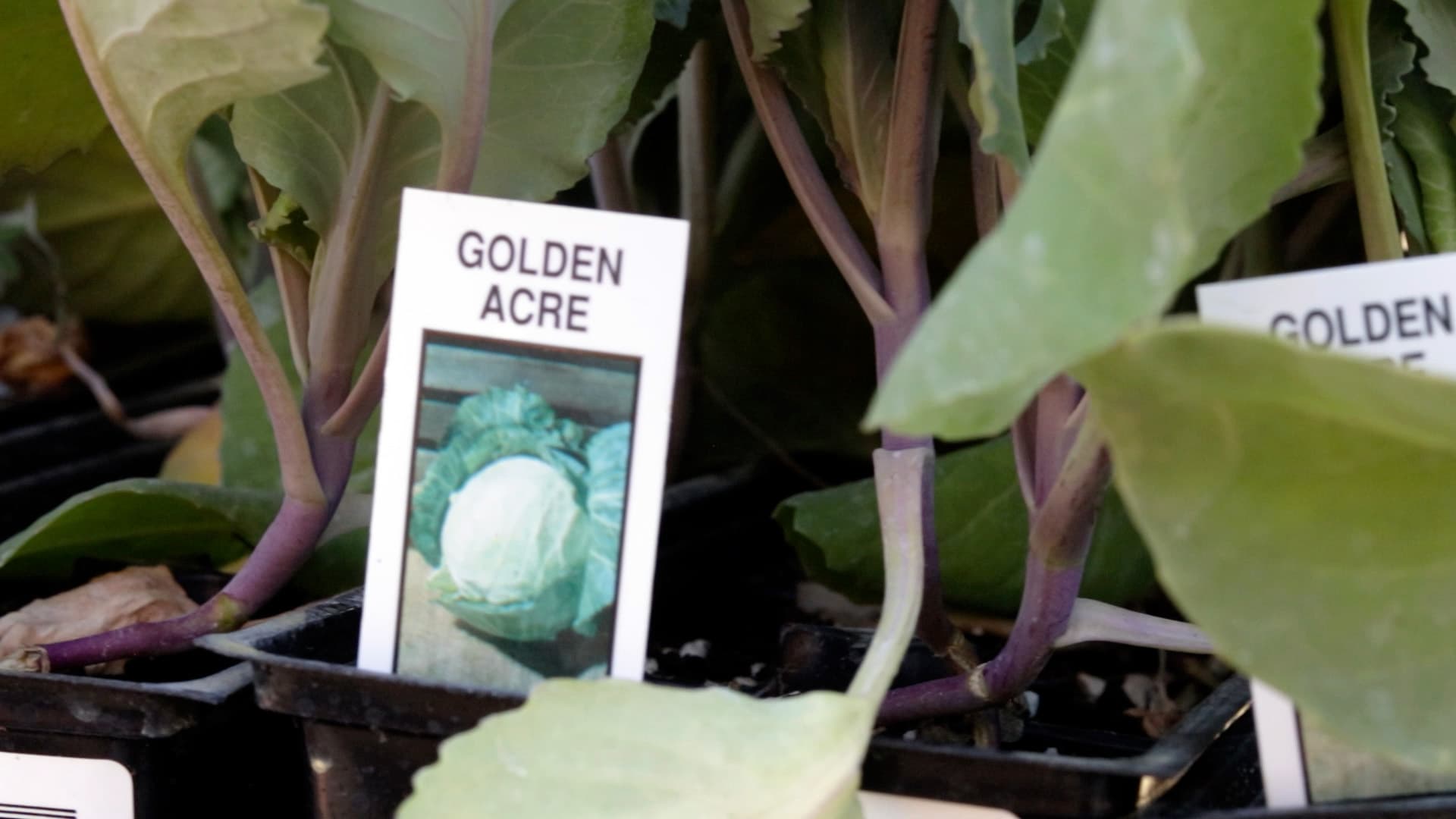
Cabbage
Brassicaceae
Days
70d
Depth
0.5″
Apart
18″
Heads split if you let them sit too long once mature -- twist 90° to slow water uptake.
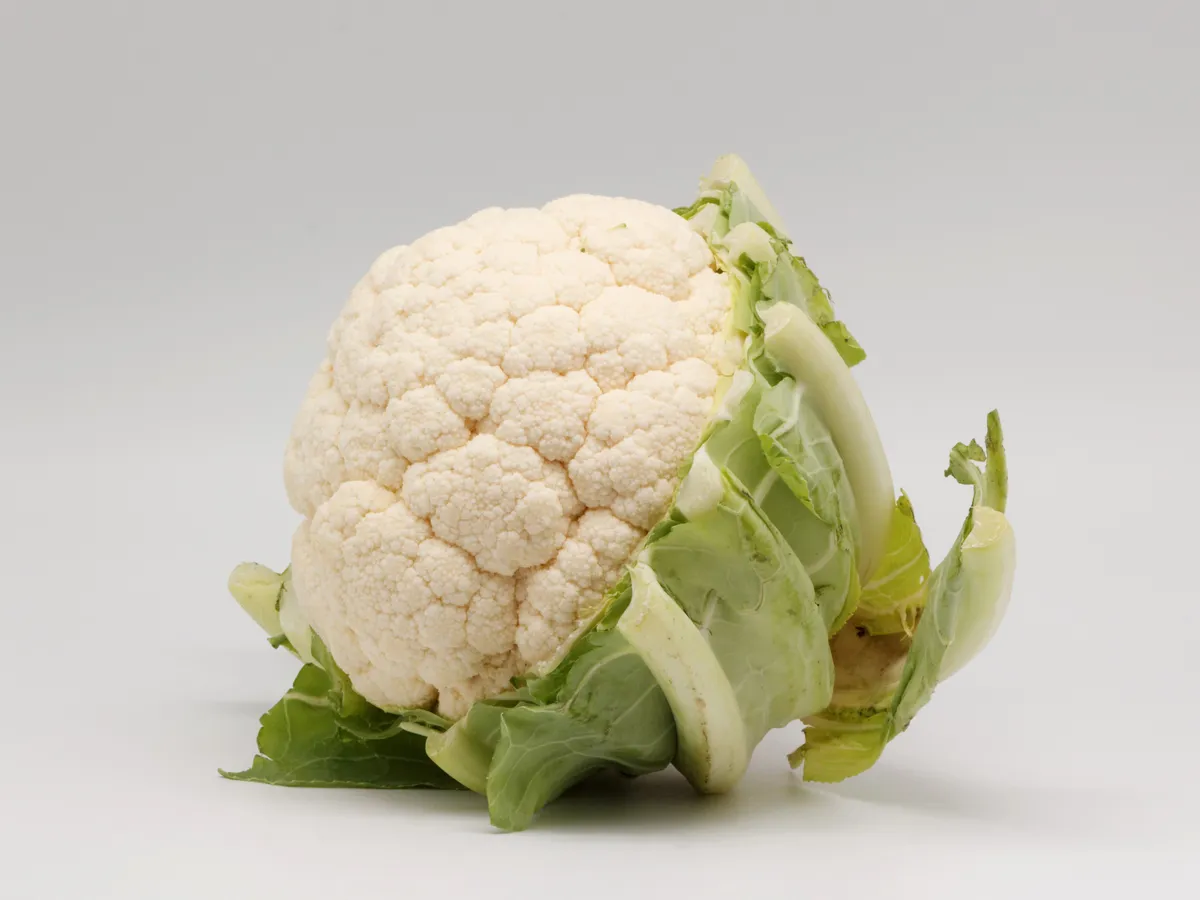
Cauliflower
Brassicaceae
Days
65d
Depth
0.5″
Apart
18″
Tie outer leaves over the head once it forms to keep heads white (blanching).
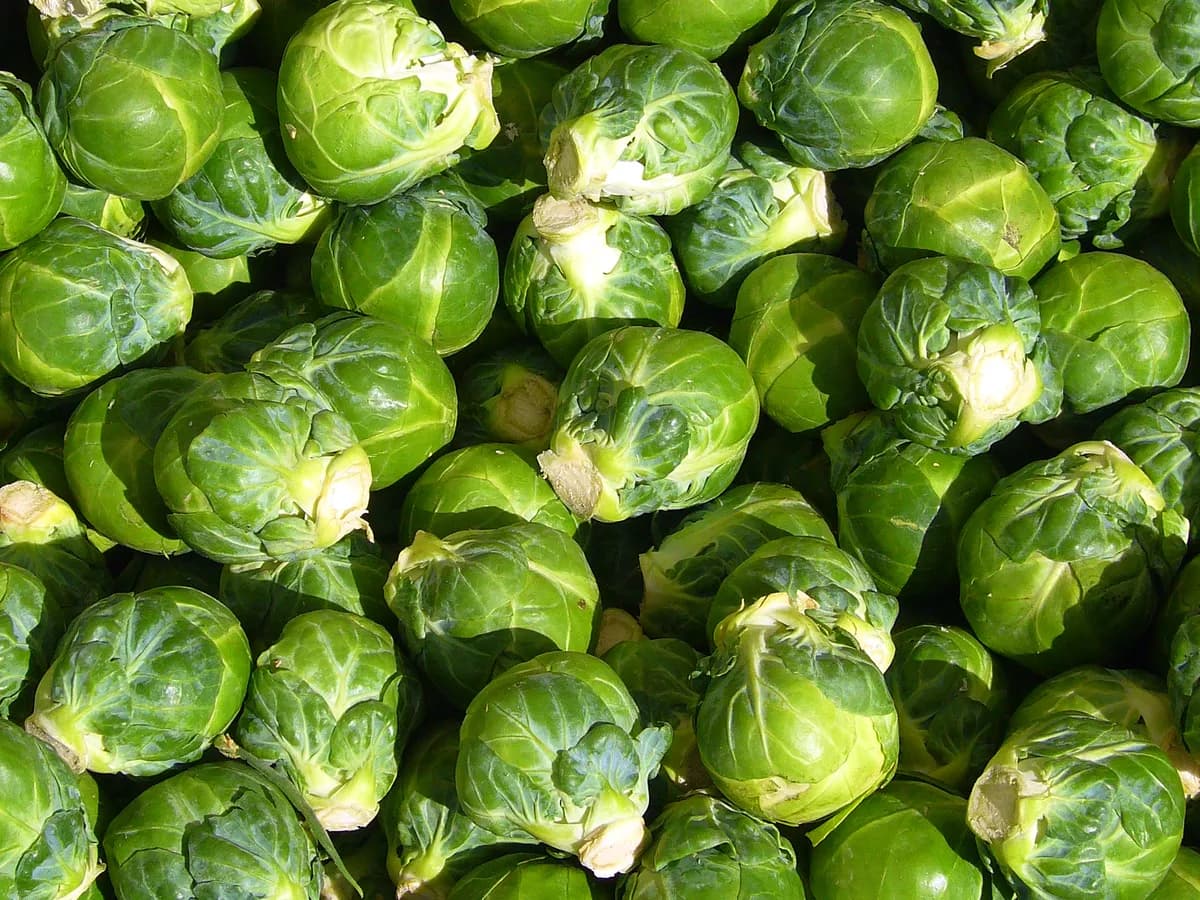
Brussels Sprouts
Brassicaceae
Days
100d
Depth
0.5″
Apart
24″
Long-season crop -- start mid-March for fall harvest. Snap off lower leaves as sprouts swell.
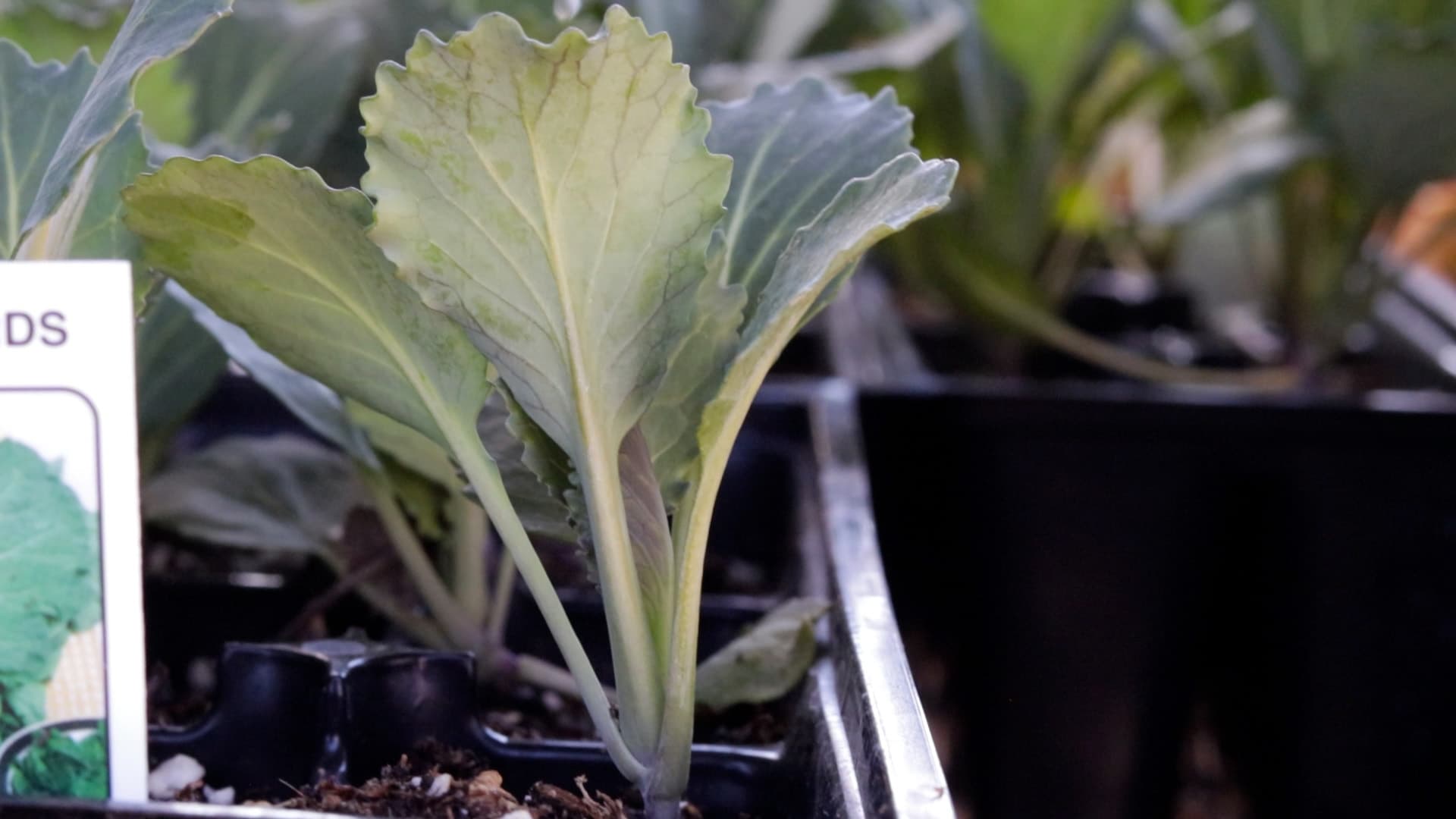
Collards
Brassicaceae
Days
60d
Depth
0.5″
Apart
18″
More heat-tolerant than kale. Pick lower leaves and the plant keeps producing all season.
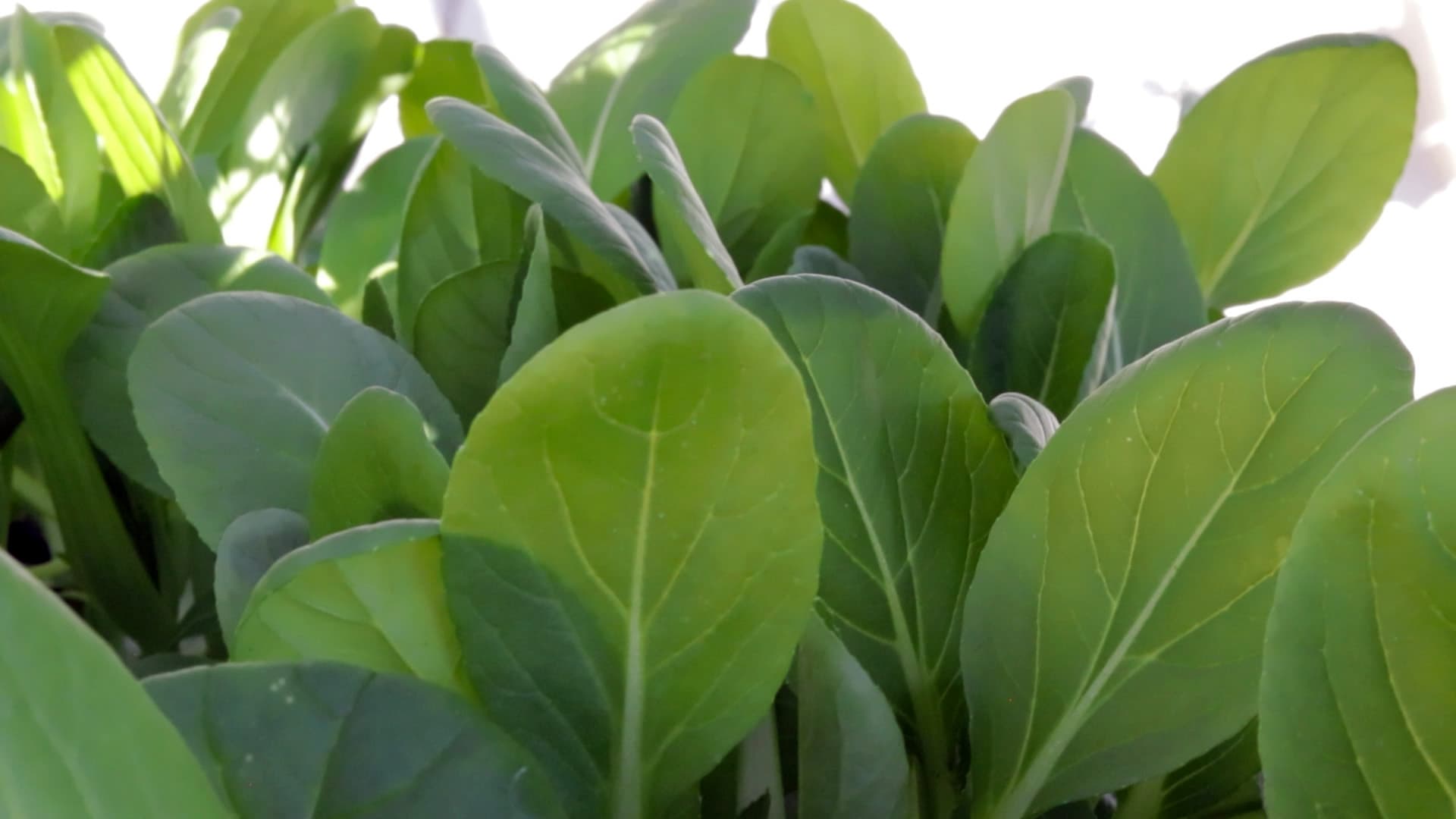
Bok Choi
Brassicaceae
Days
45d
Depth
0.25″
Apart
8″
Bolts in heat -- strict spring + fall crop here. Baby bok choi at 30 days is the sweet spot.
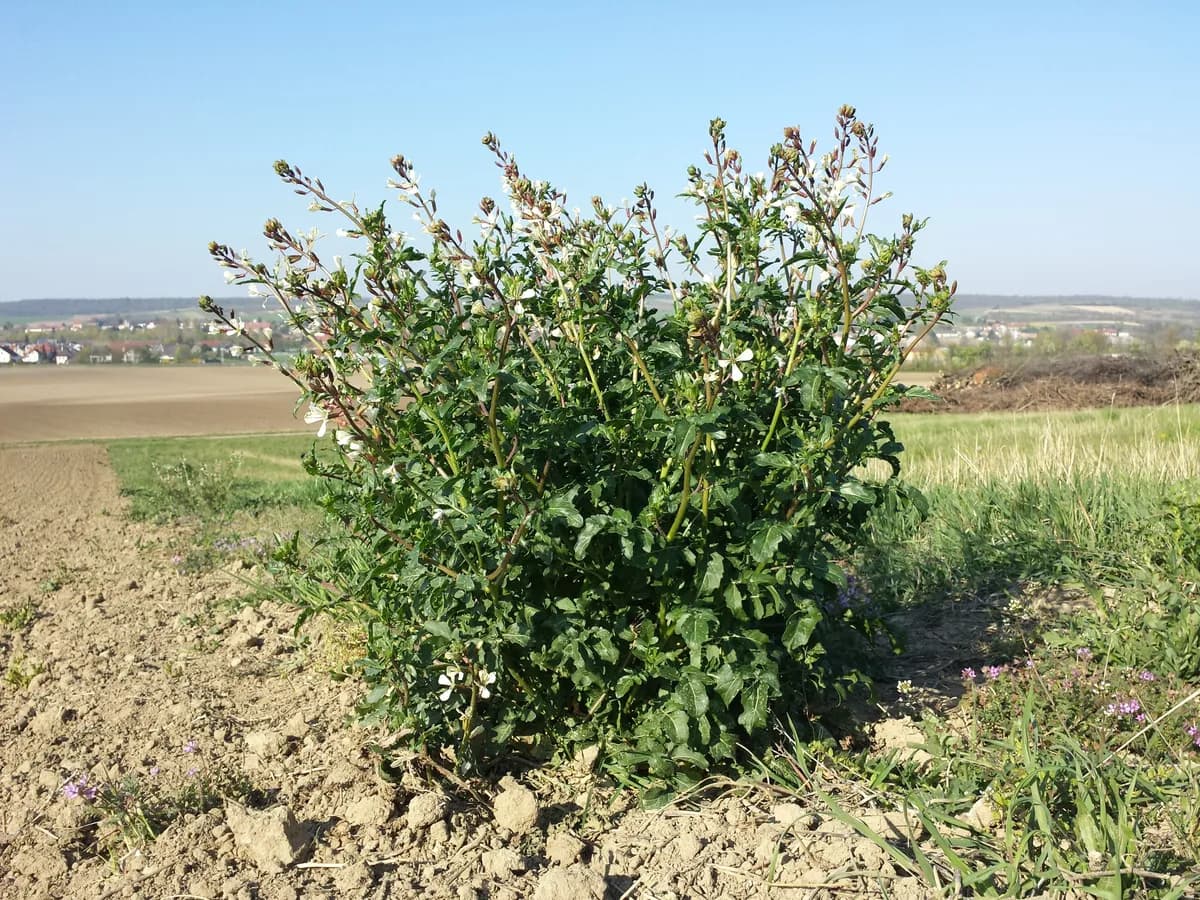
Arugula
Brassicaceae
Days
30d
Depth
0.125″
Apart
4″
Peppery flavor sharpens in heat -- pick young leaves before flowering for milder taste.
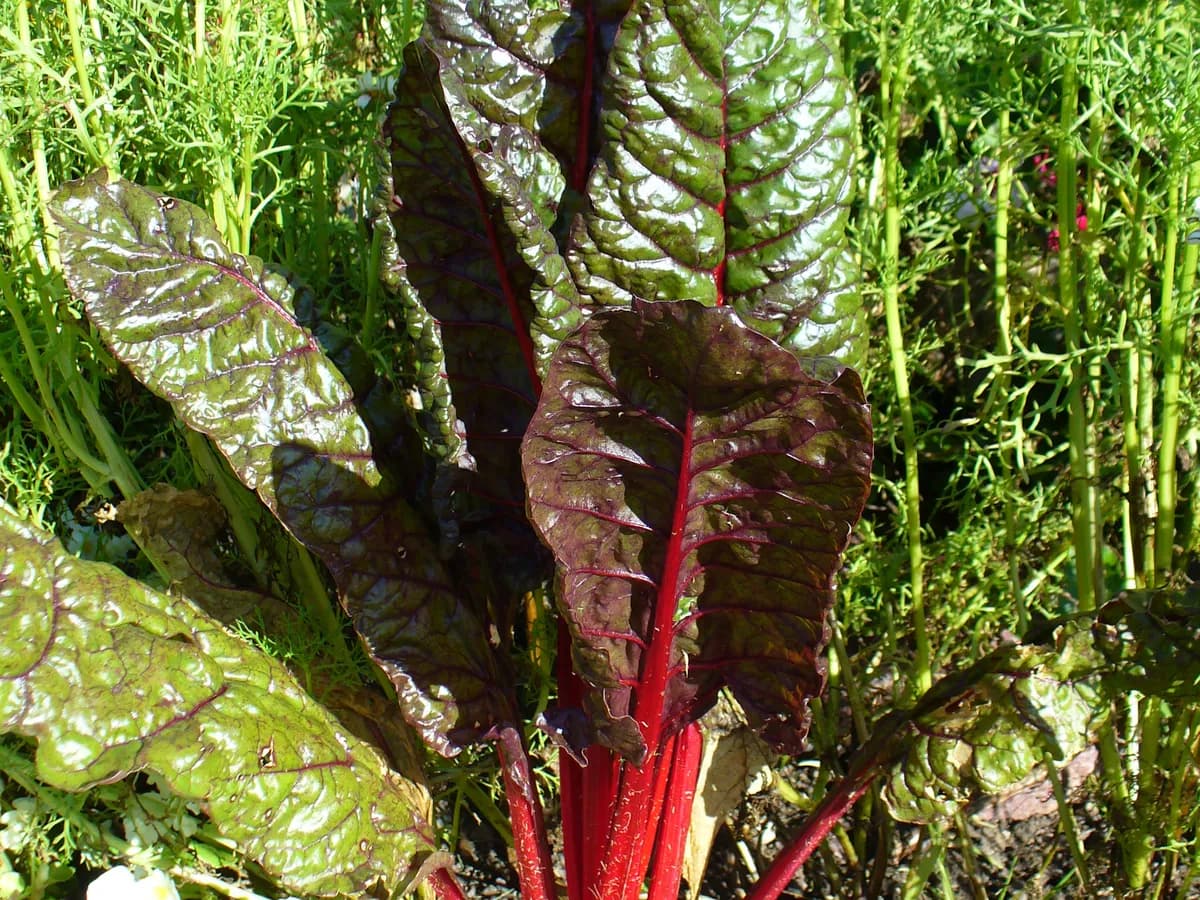
Swiss Chard
Amaranthaceae
Days
55d
Depth
0.5″
Apart
8″
Most heat-tolerant of the leafy greens -- produces all summer in Utah where lettuce bolts.
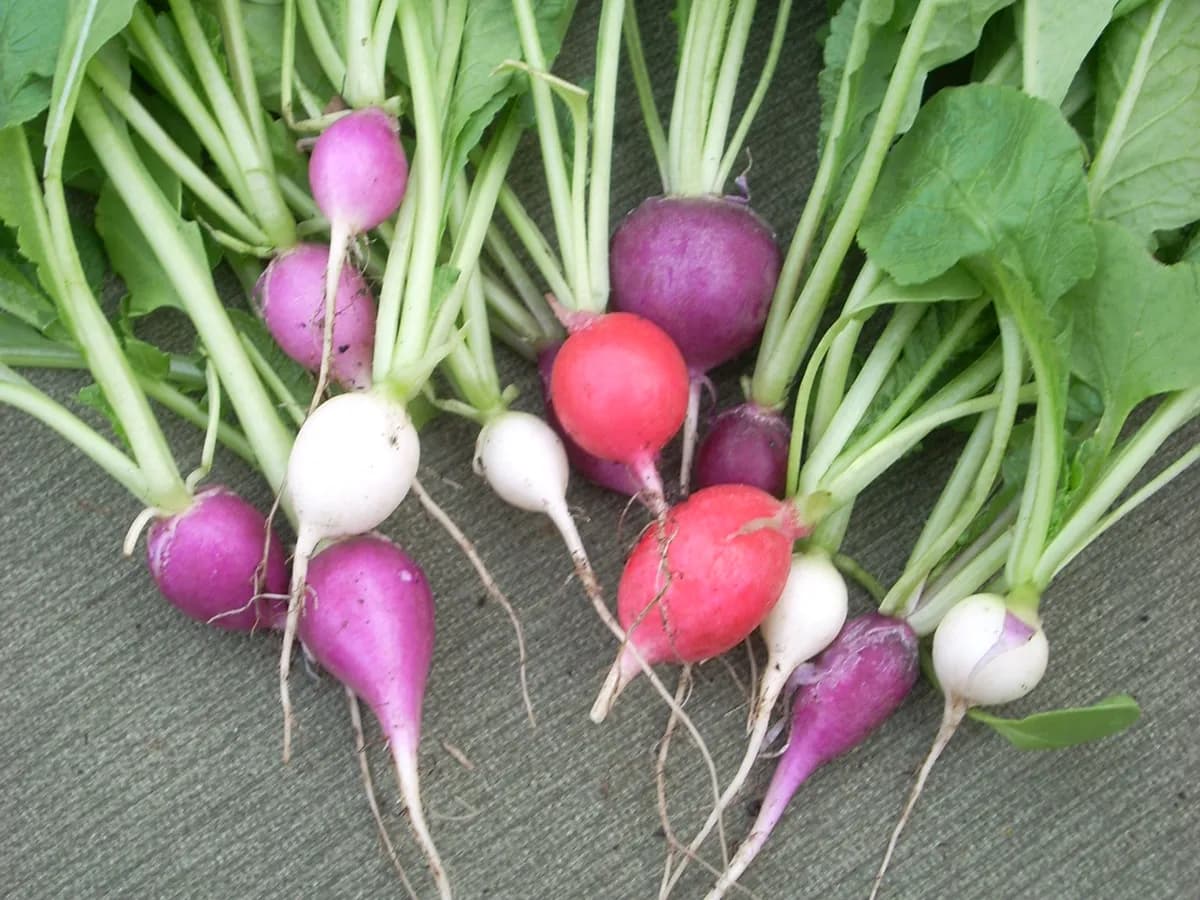
Radish
Brassicaceae
Days
28d
Depth
0.5″
Apart
1″
Fastest crop in the garden -- kid-proof and confidence-building. Succession every week.
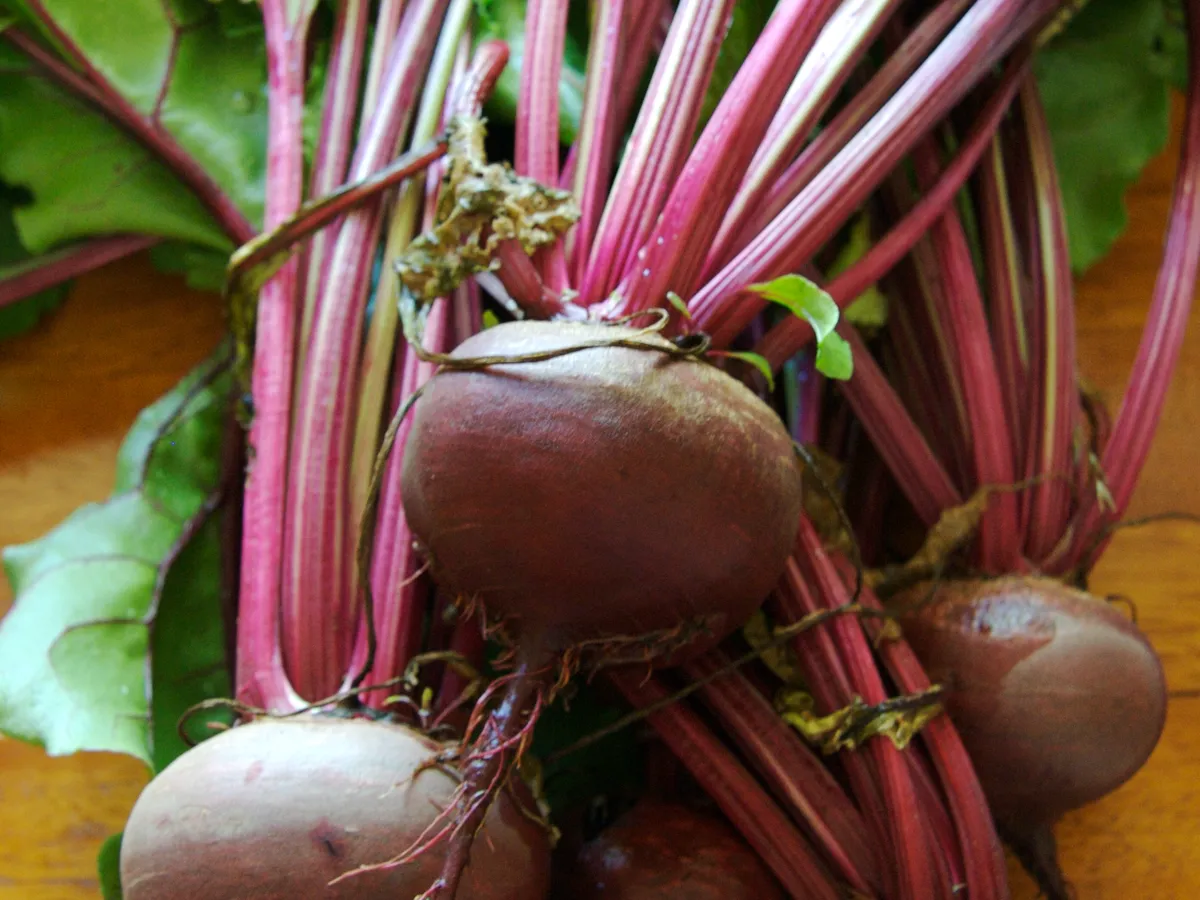
Beet
Amaranthaceae
Days
55d
Depth
0.5″
Apart
3″
Each "seed" is actually a cluster -- thin to one seedling per spot or you get tangled roots.
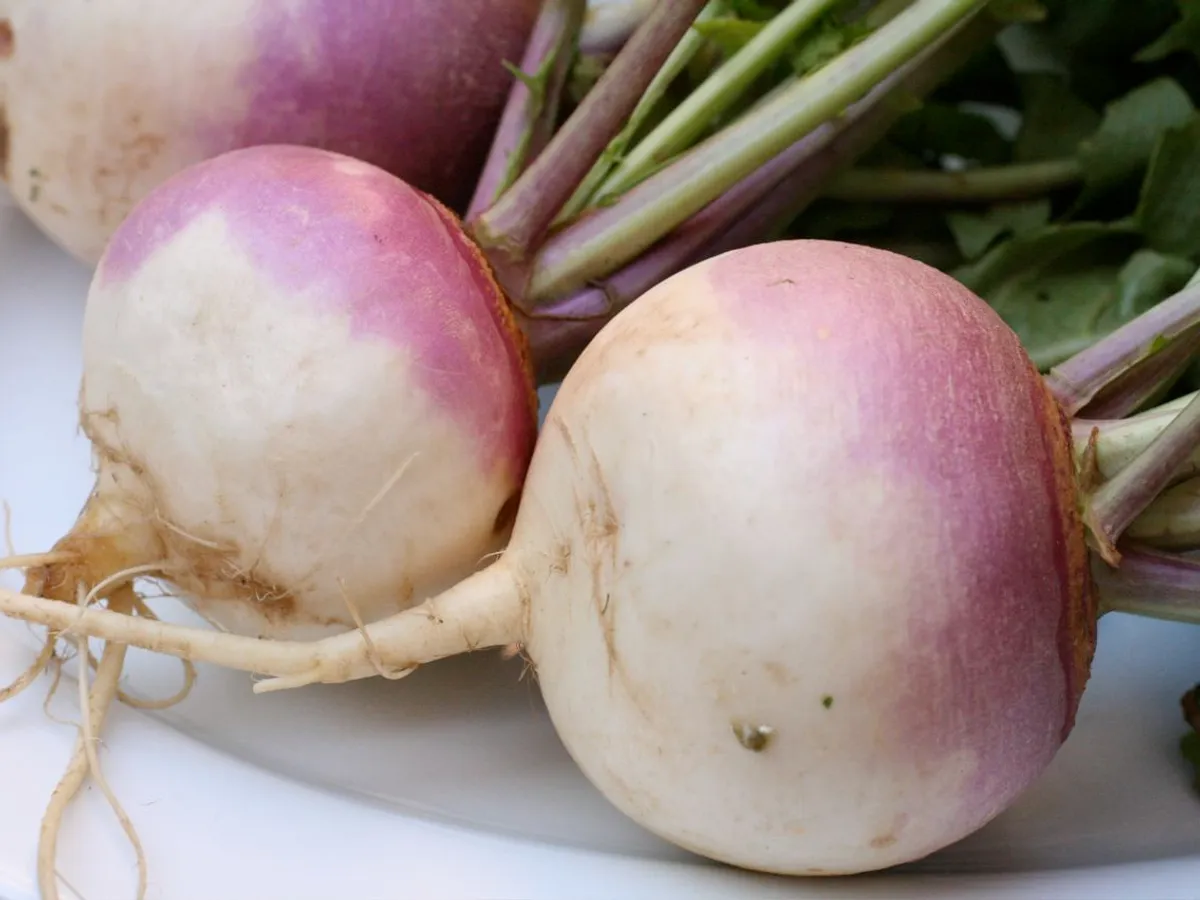
Turnip
Brassicaceae
Days
50d
Depth
0.5″
Apart
3″
Greens are arguably better than the root -- pick young leaves for salads while roots size up.
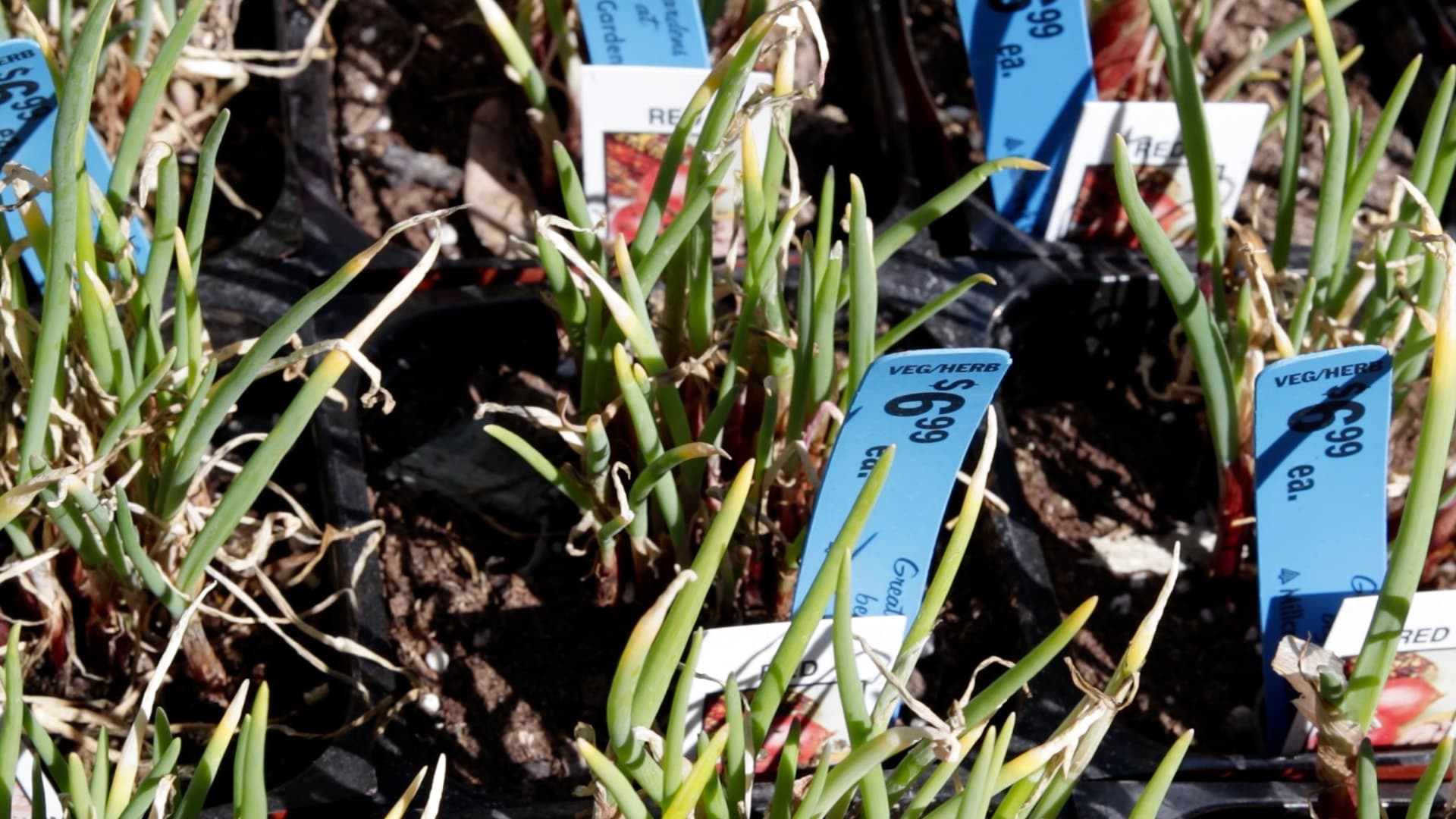
Onion
Amaryllidaceae
Days
110d
Depth
0.25″
Apart
4″
Long-day varieties only at our latitude (Walla Walla, Patterson, Yellow Sweet Spanish).
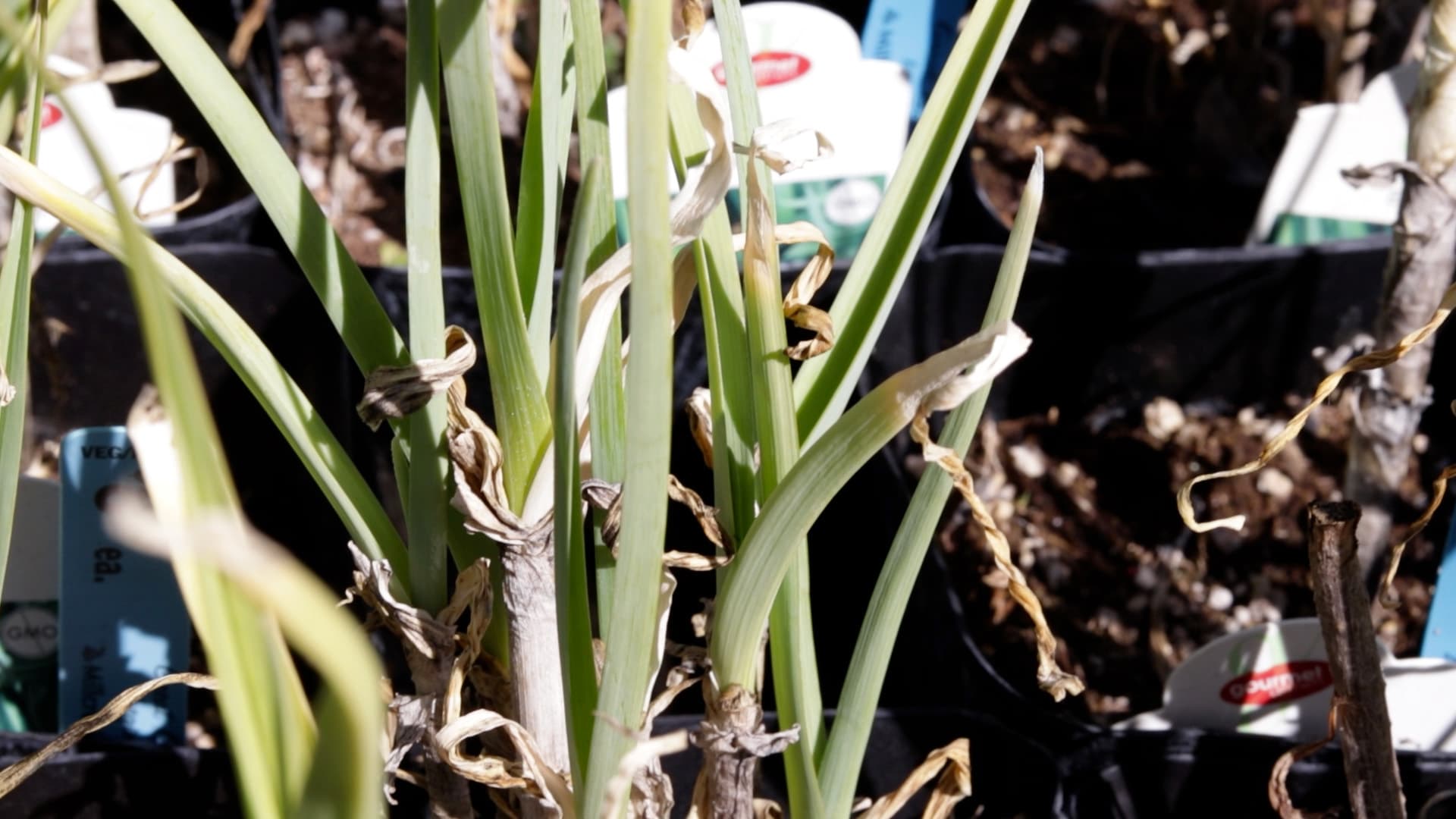
Leek
Amaryllidaceae
Days
110d
Depth
0.25″
Apart
6″
Hill soil up around the stems as they grow to blanch the white shanks. Hardy through November.
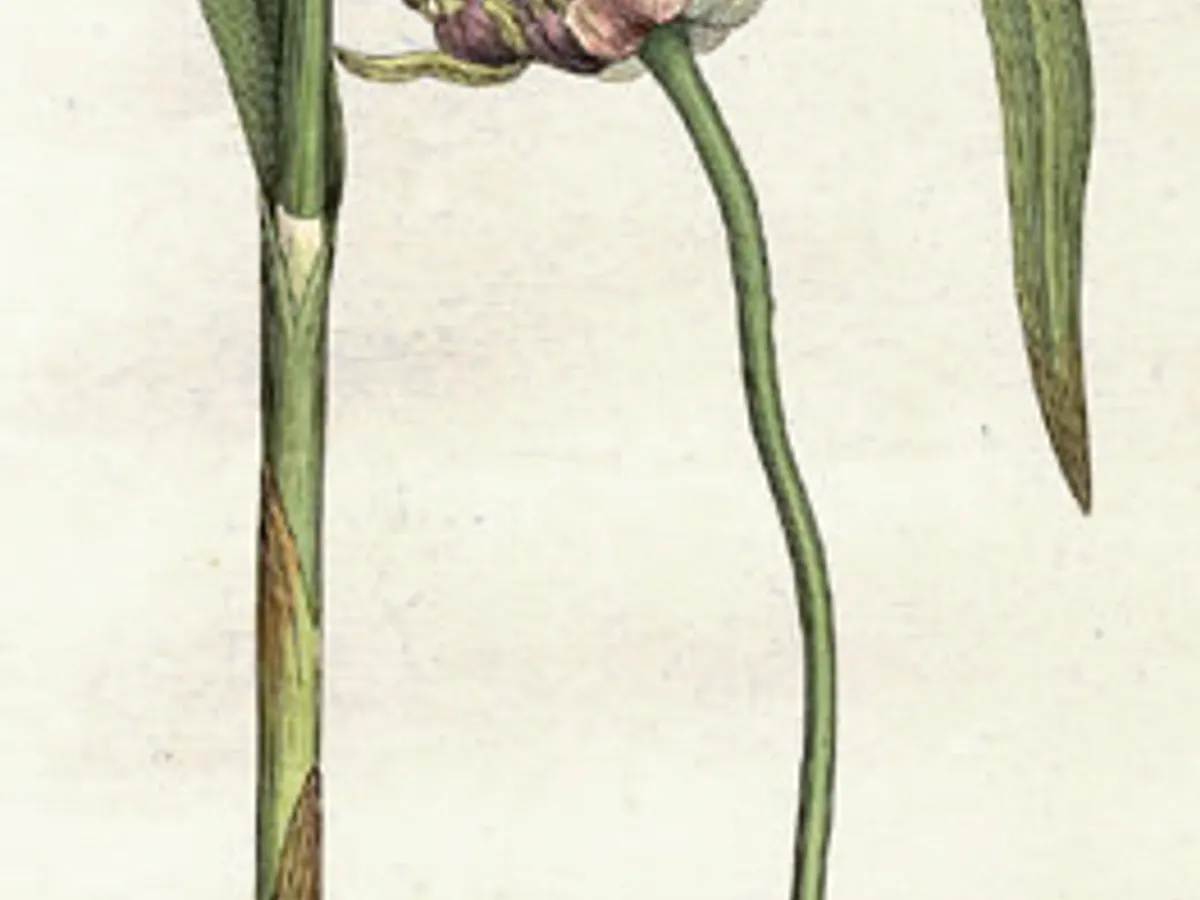
Garlic
Amaryllidaceae
Days
240d
Depth
2″
Apart
6″
Plant cloves in October, harvest the following July. Hardneck varieties (Music, German Red) for Utah winters.
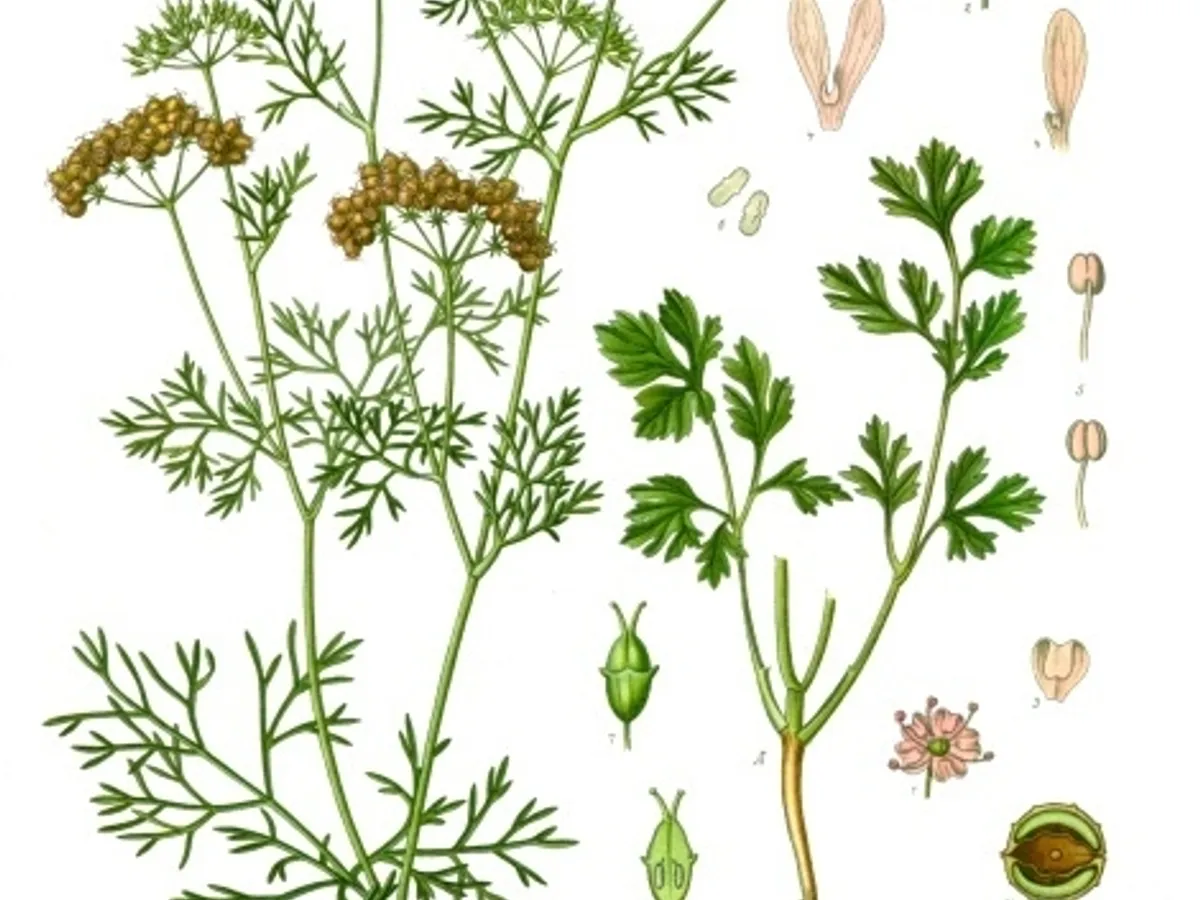
Cilantro
Apiaceae
Days
45d
Depth
0.25″
Apart
4″
Bolts fast in heat -- succession every 2 weeks. Let some bolt for coriander seed.
Parsley
Apiaceae
Days
75d
Depth
0.25″
Apart
8″
Slow germinator -- soak seeds 24 hours before sowing. Italian flat-leaf has more flavor than curly.
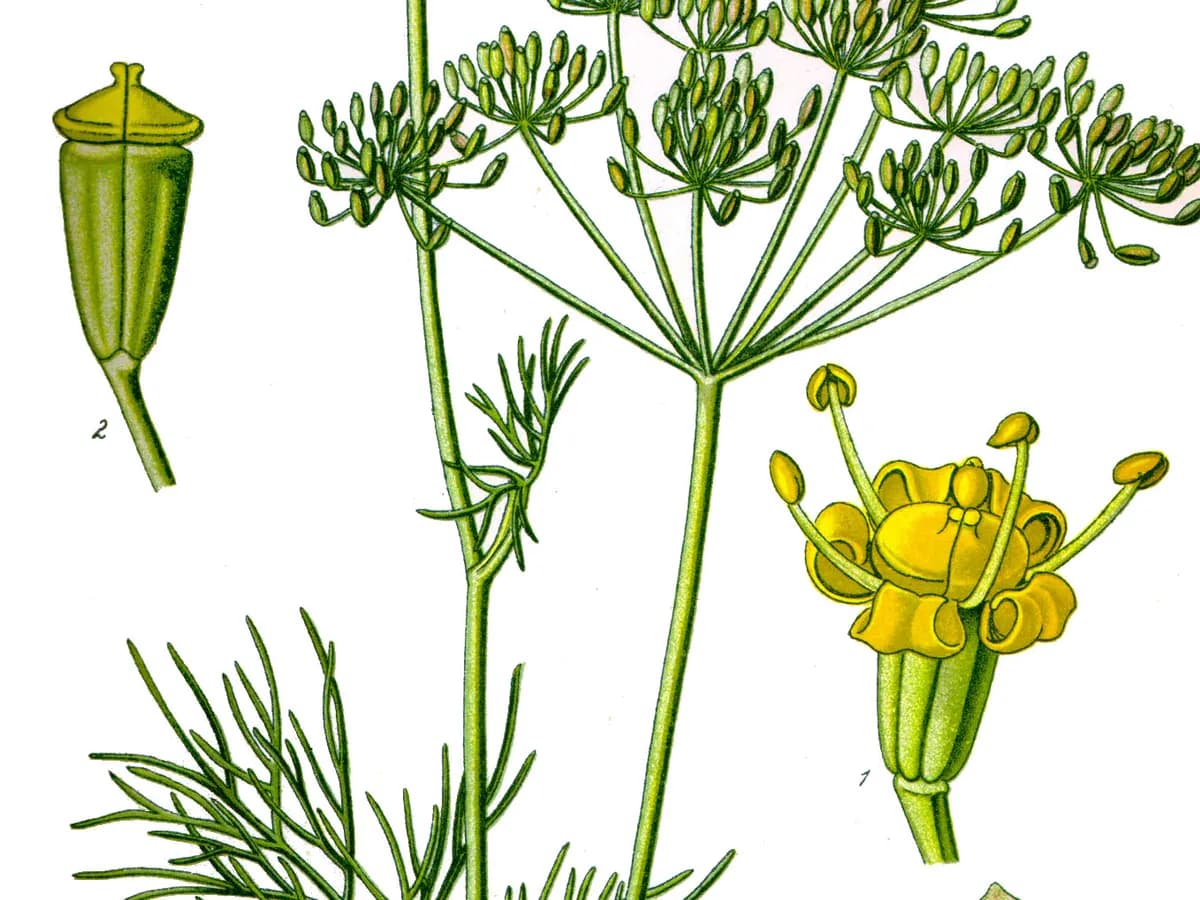
Dill
Apiaceae
Days
55d
Depth
0.25″
Apart
6″
Lets itself go to seed and self-sows -- designate a "dill corner" and forget about it.
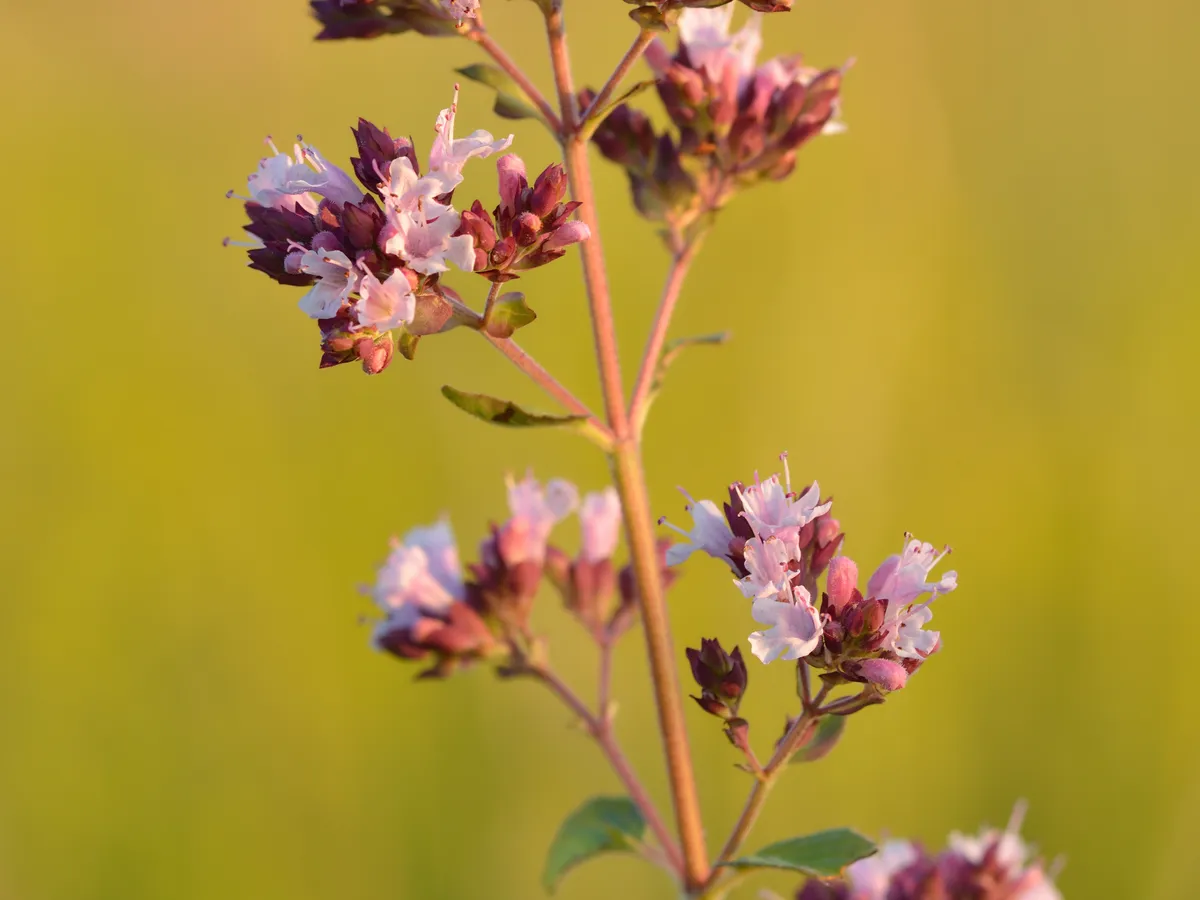
Oregano
Lamiaceae
Days
90d
Depth
0.0625″
Apart
12″
Perennial -- comes back every year. Greek oregano (O. vulgare hirtum) has the strongest flavor.
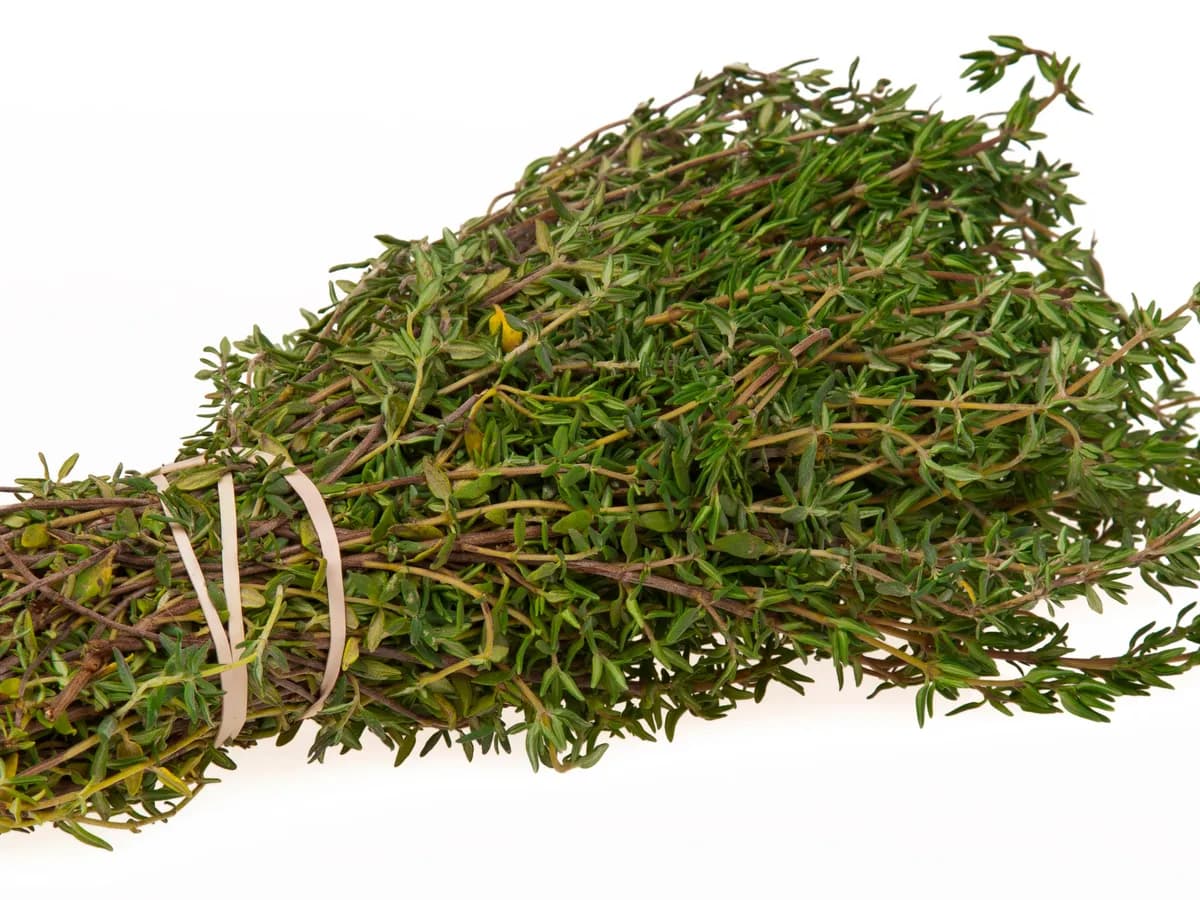
Thyme
Lamiaceae
Days
90d
Depth
0.0625″
Apart
12″
Perennial. Cut back hard after flowering to keep plants tight and productive for years.
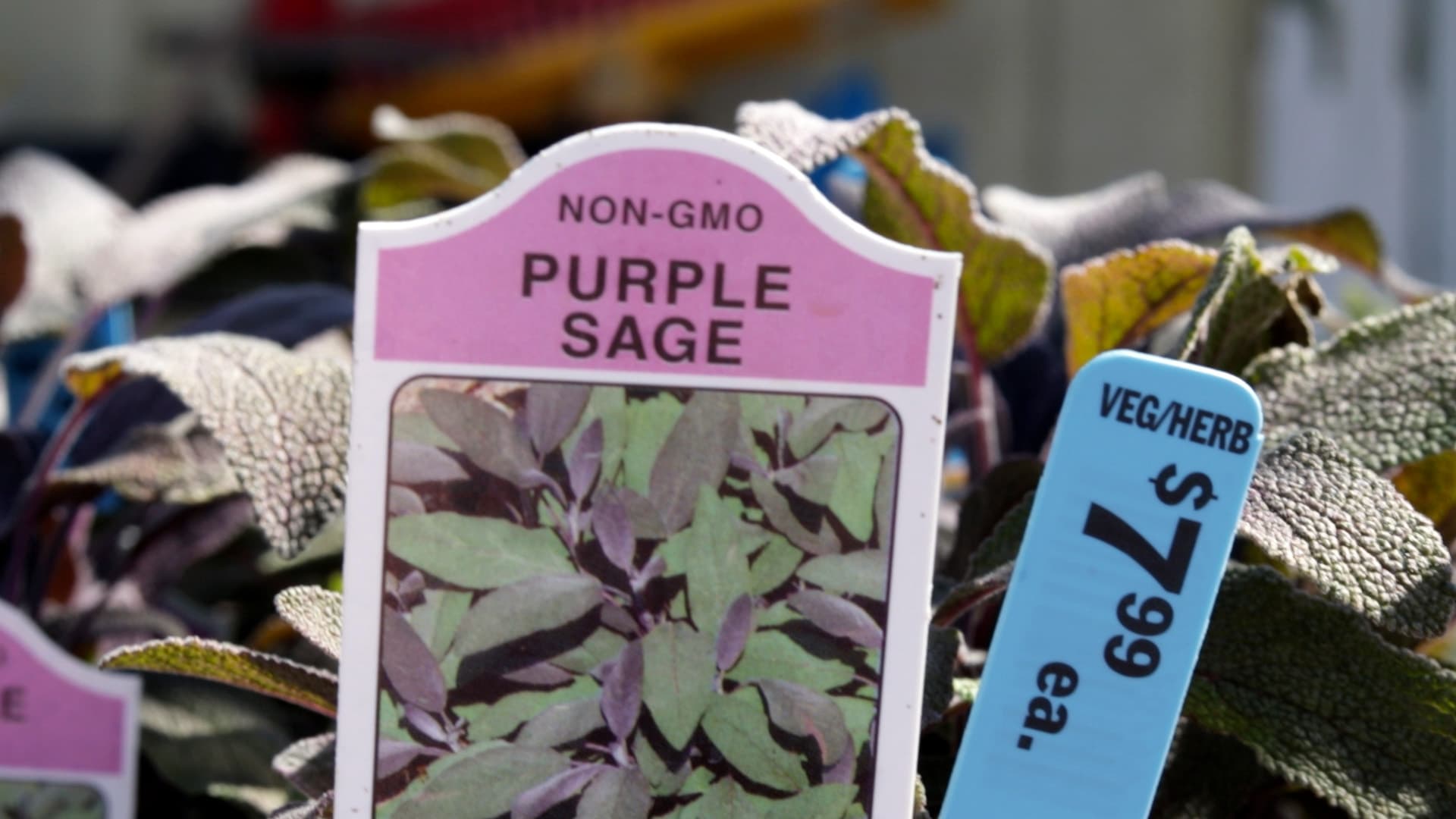
Sage
Lamiaceae
Days
90d
Depth
0.125″
Apart
18″
Perennial. Tricolor and purple sage are decorative AND edible -- earn double duty in the herb bed.
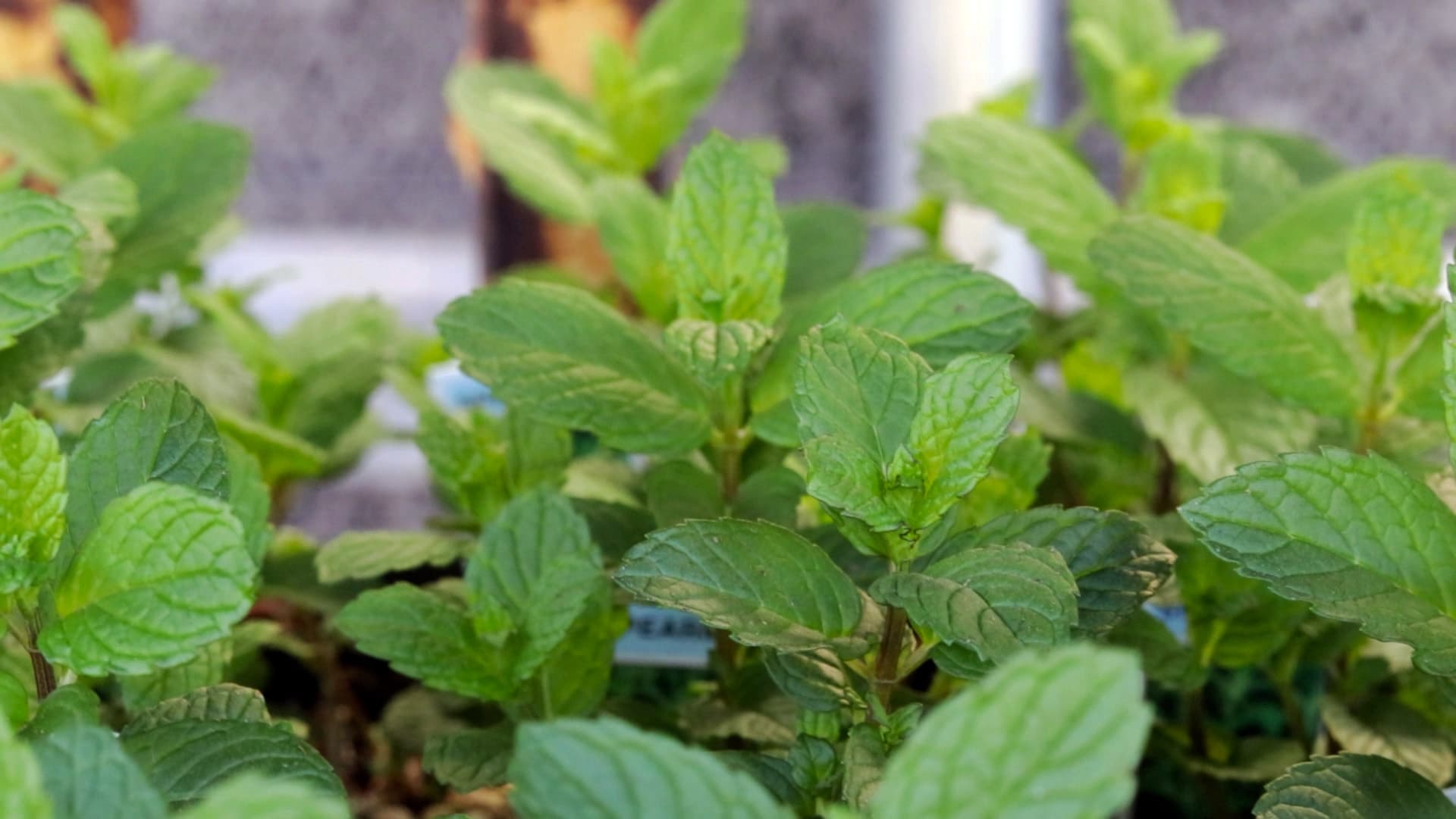
Mint
Lamiaceae
Days
90d
Depth
0.0625″
Apart
18″
Plant in a sunken pot or it WILL take over the bed. Spearmint, peppermint, mojito, and chocolate mint all behave the same way.
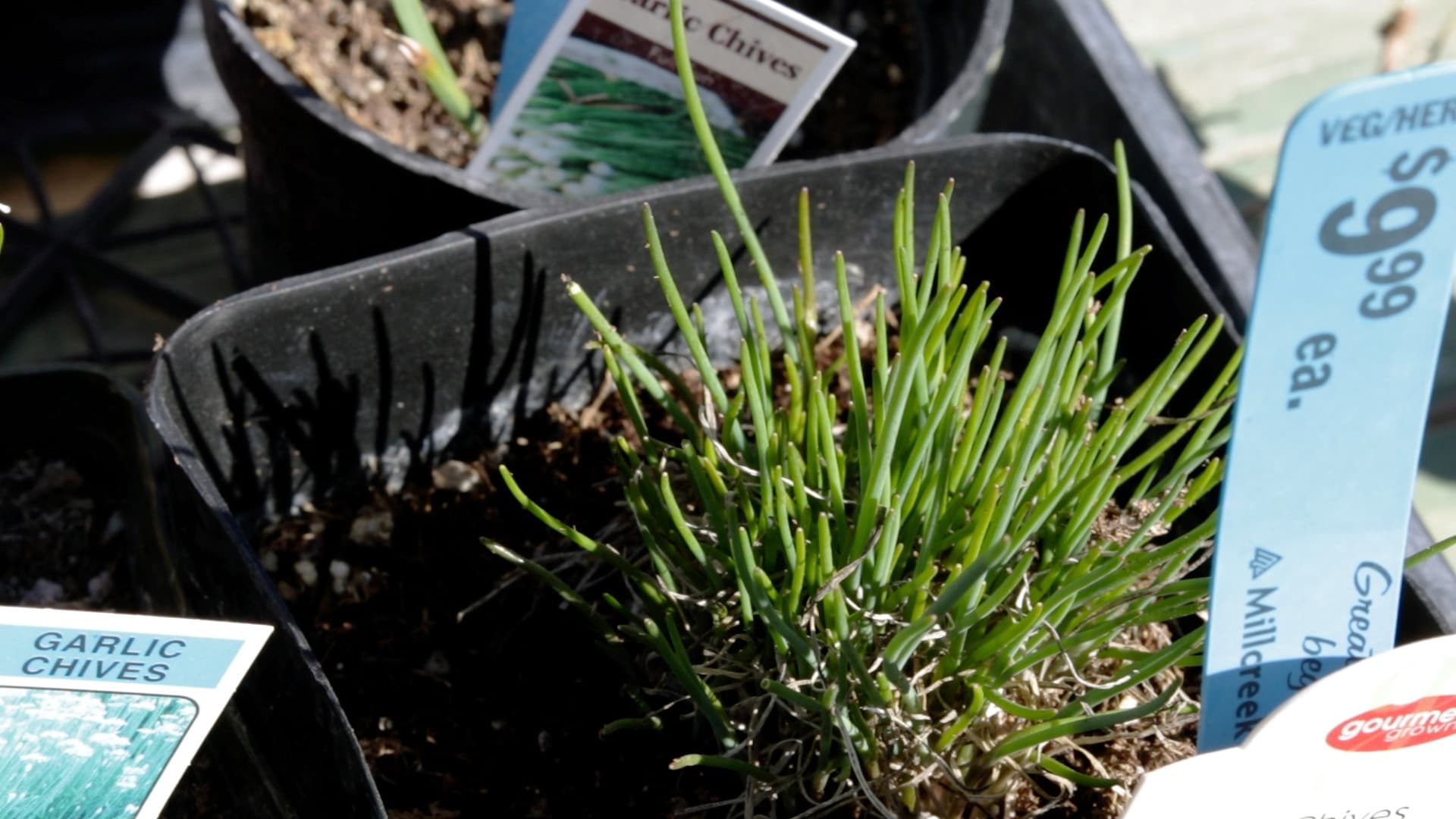
Chives
Amaryllidaceae
Days
90d
Depth
0.25″
Apart
8″
Perennial. Purple flowers are edible and gorgeous in salads. Cut back to 2" mid-summer for tender regrowth.
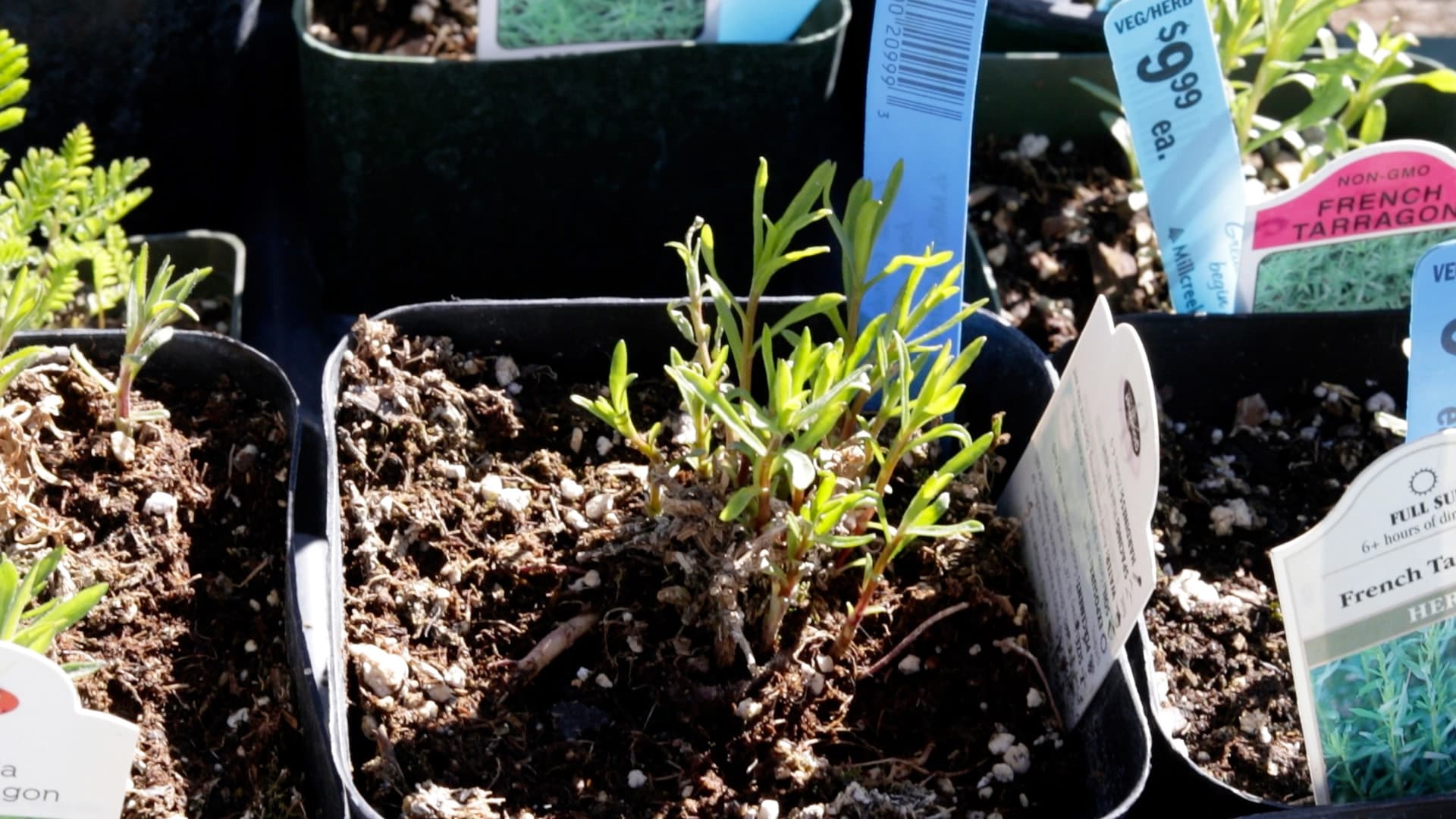
Tarragon
Asteraceae
Days
90d
Depth
0.0625″
Apart
18″
French tarragon doesn't come true from seed -- propagate from cuttings or buy plants. Russian tarragon from seed has weaker flavor.
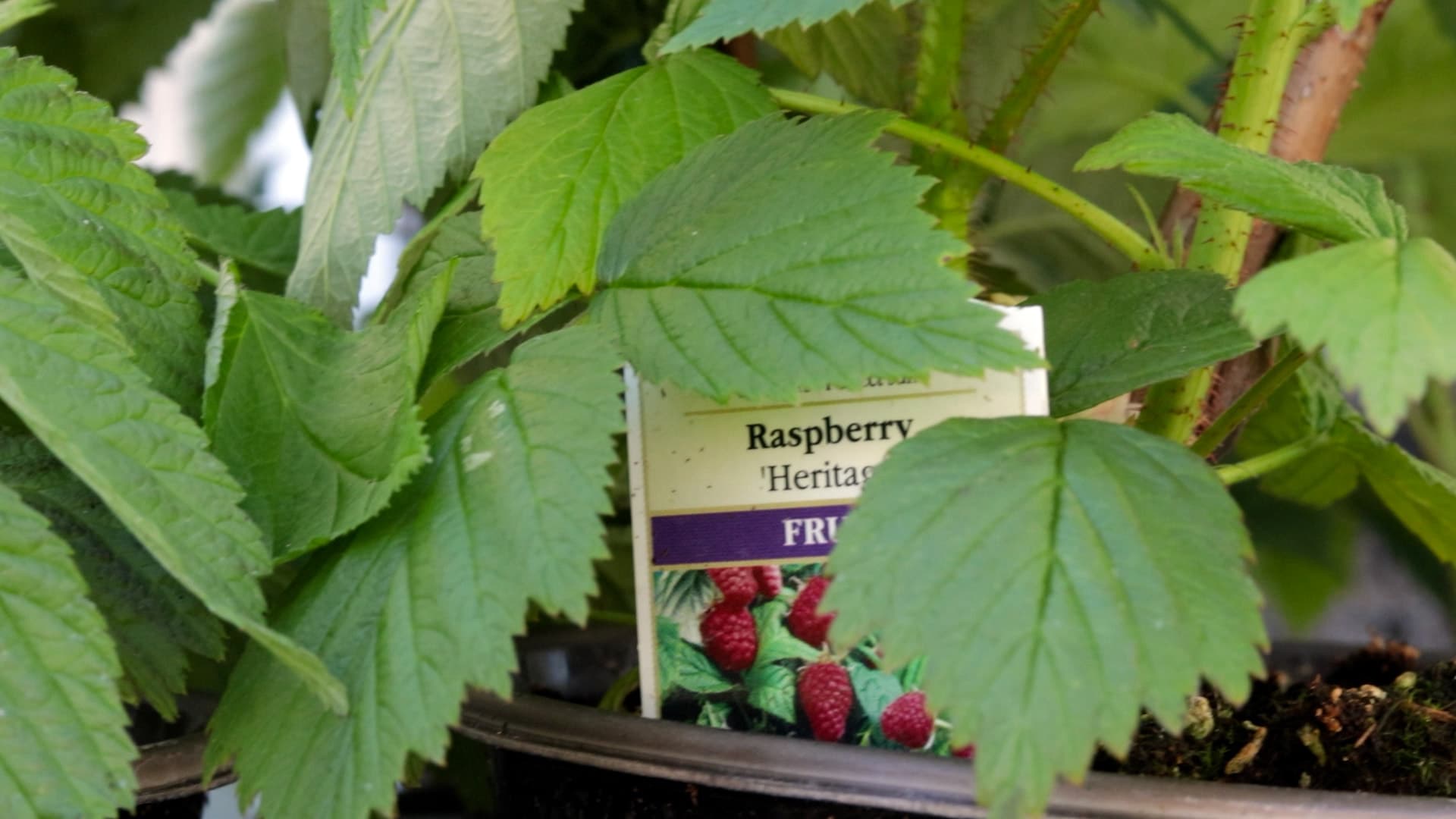
Raspberry
Rosaceae
Days
365d
Depth
1″
Apart
24″
Heritage (everbearing) gives you a fall crop the same year. Trellis between two T-posts and prune dead canes in winter.
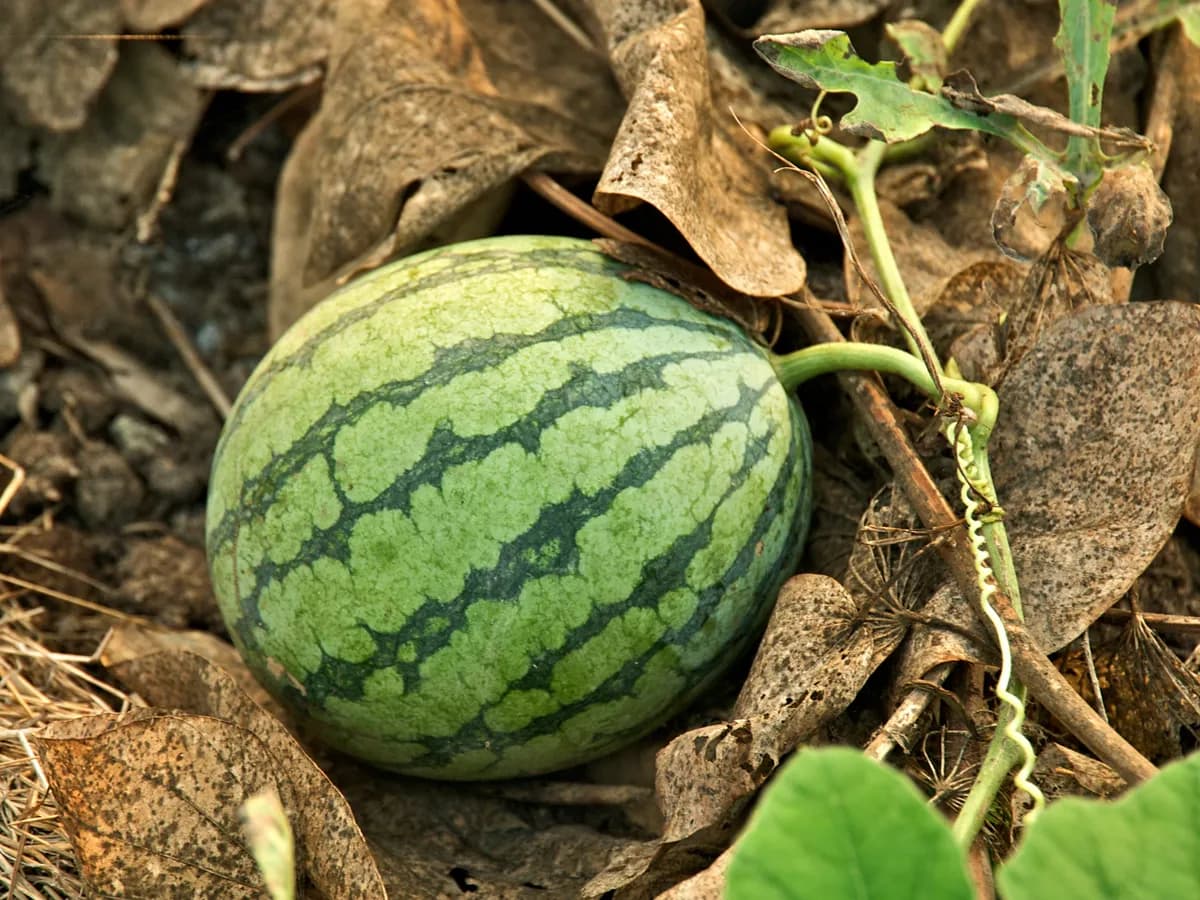
Watermelon
Cucurbitaceae
Days
85d
Depth
1″
Apart
36″
Sugar Baby is the right size for short Utah summers. Tap test: ripe melons sound hollow.
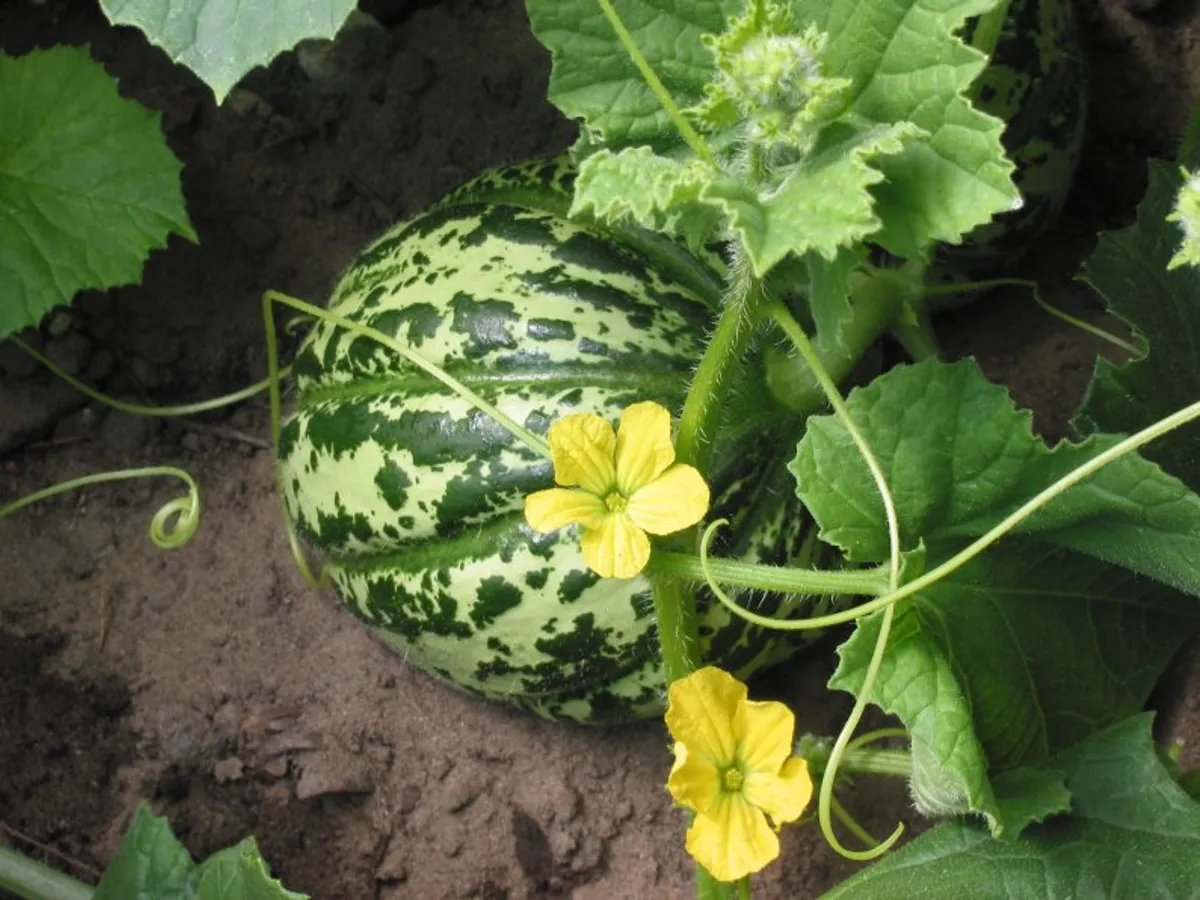
Cantaloupe
Cucurbitaceae
Days
75d
Depth
1″
Apart
24″
Slip-test: ripe cantaloupes detach from the vine with light pressure on the stem.
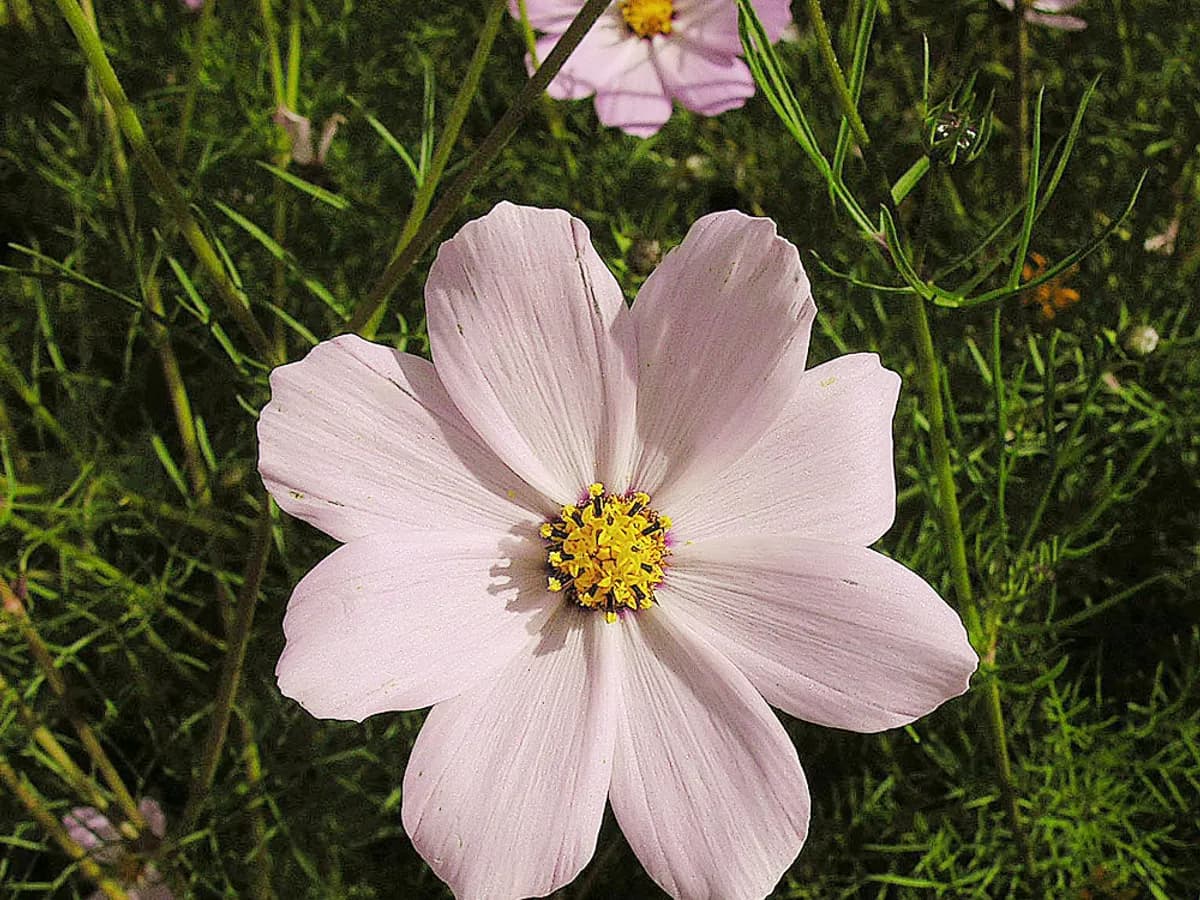
Cosmos
Asteraceae
Days
75d
Depth
0.25″
Apart
12″
Self-sows aggressively. Don't fertilize -- rich soil makes huge plants with few flowers.
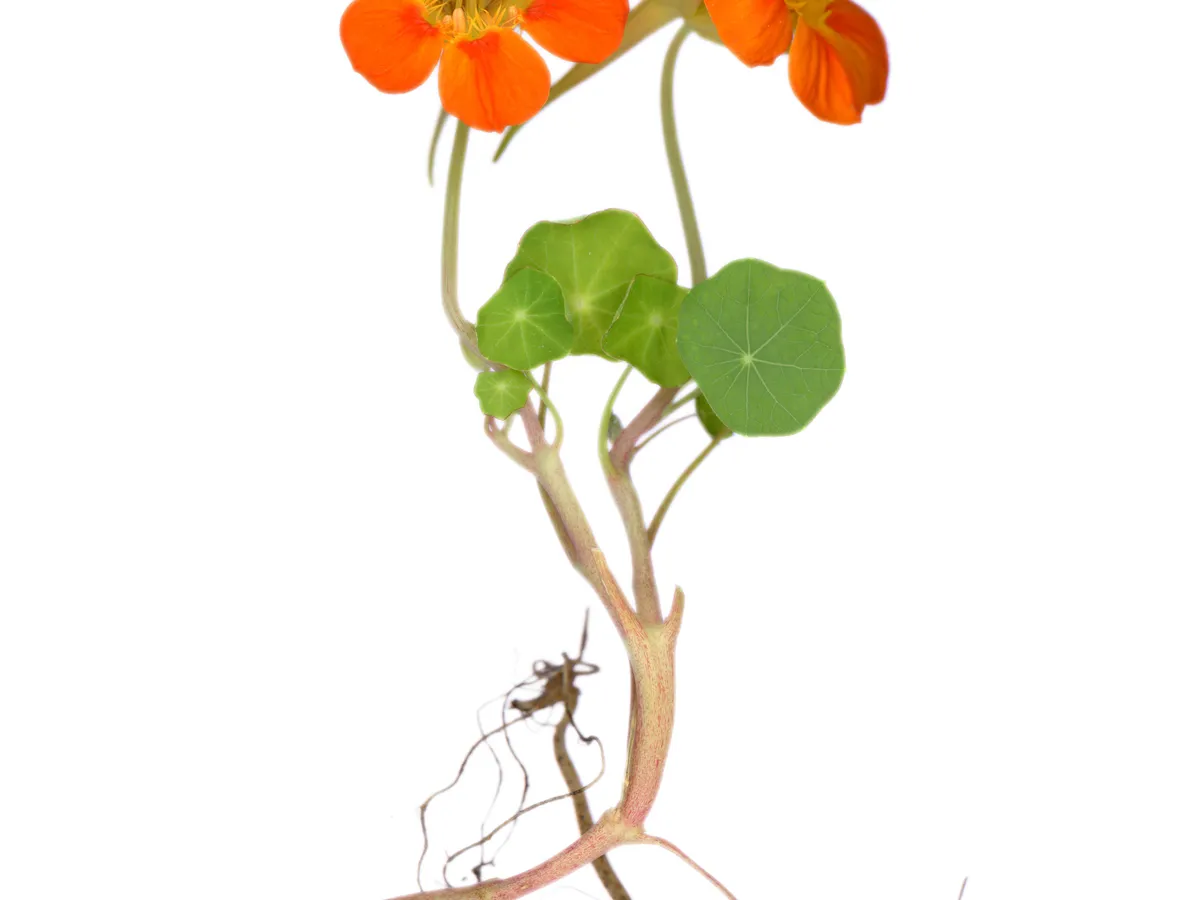
Nasturtium
Tropaeolaceae
Days
50d
Depth
0.5″
Apart
10″
Edible flowers and leaves -- peppery like watercress. Trap crop for aphids -- keeps them off vegetables.
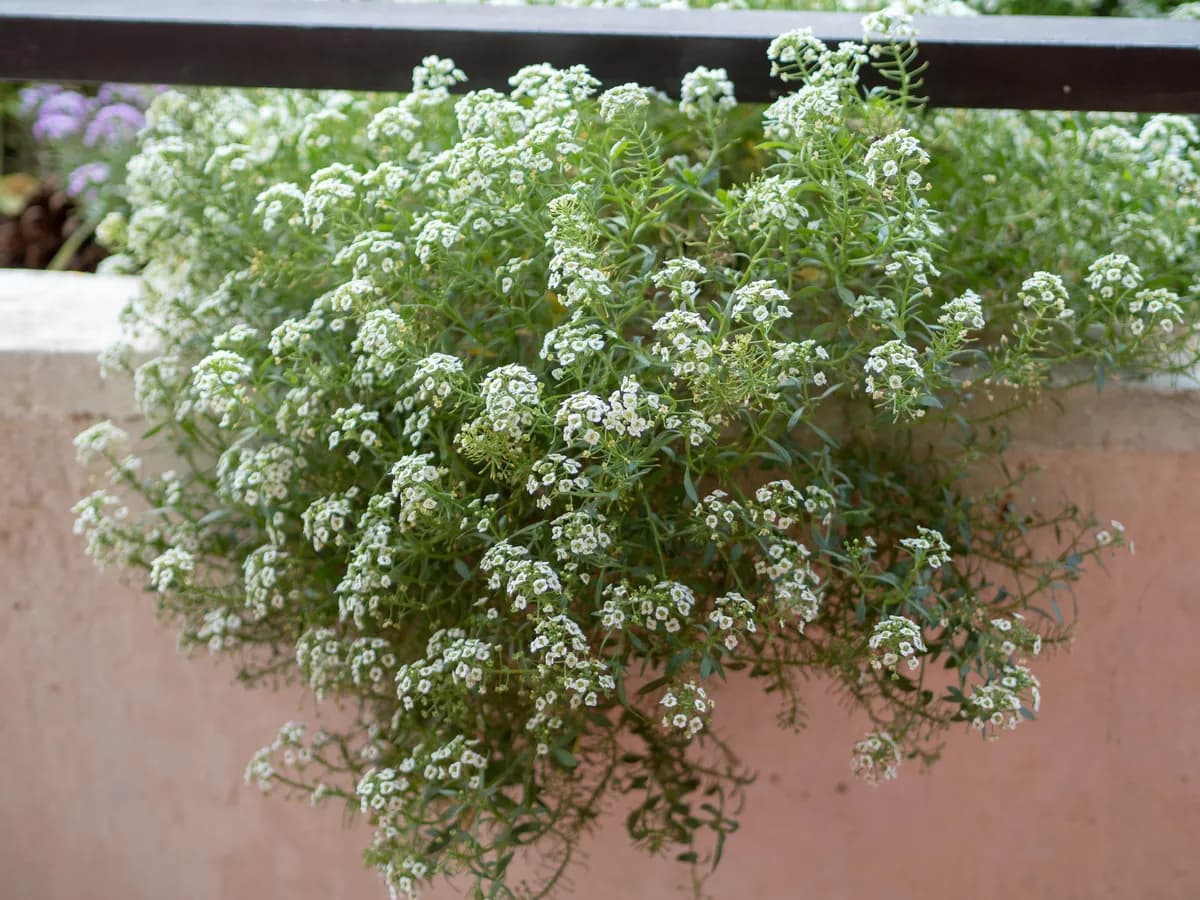
Sweet Alyssum
Brassicaceae
Days
50d
Depth
0.0625″
Apart
6″
Honey-scented carpet of tiny flowers. Beneficial-insect magnet -- interplant with veg beds for pollinator support.
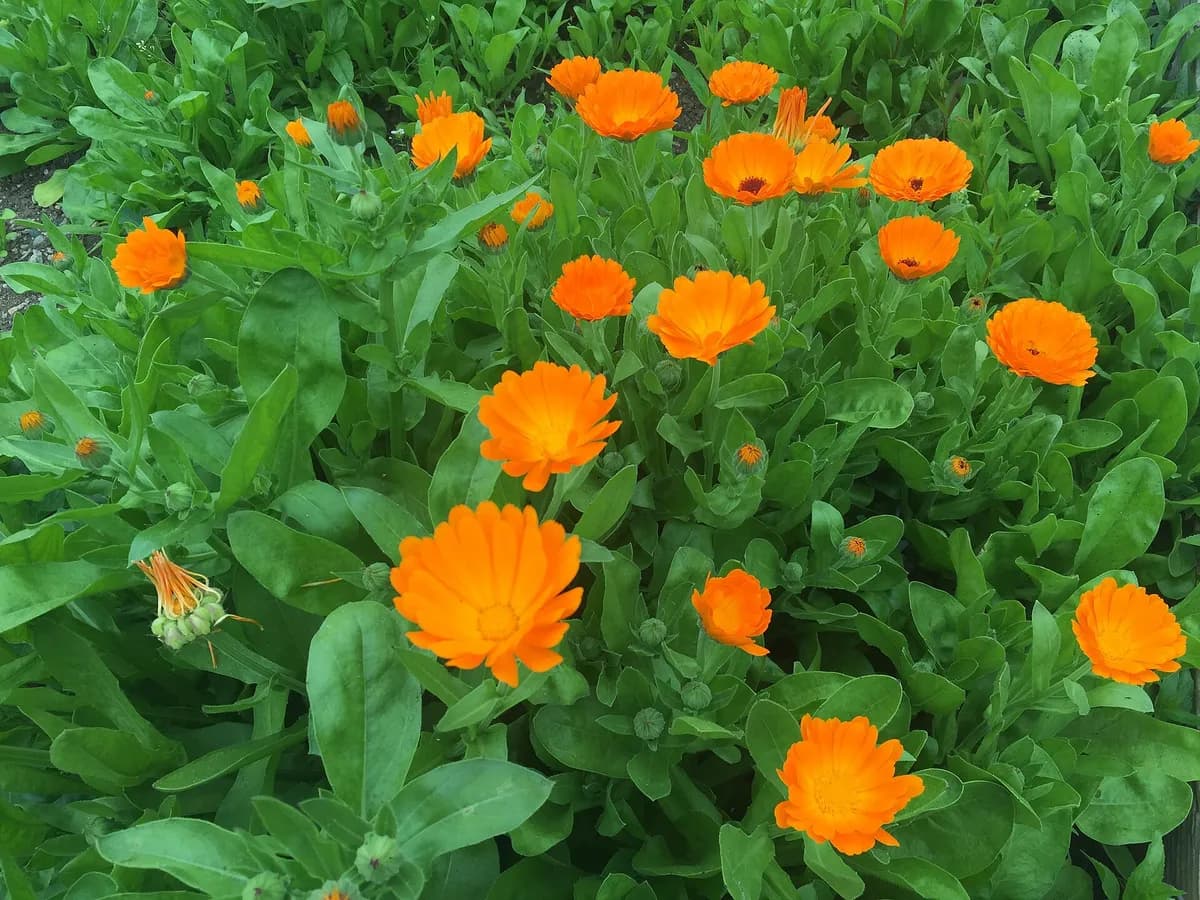
Calendula
Asteraceae
Days
60d
Depth
0.25″
Apart
10″
Petals are edible -- color salads and butter. Resilient through light frost on both ends of the season.
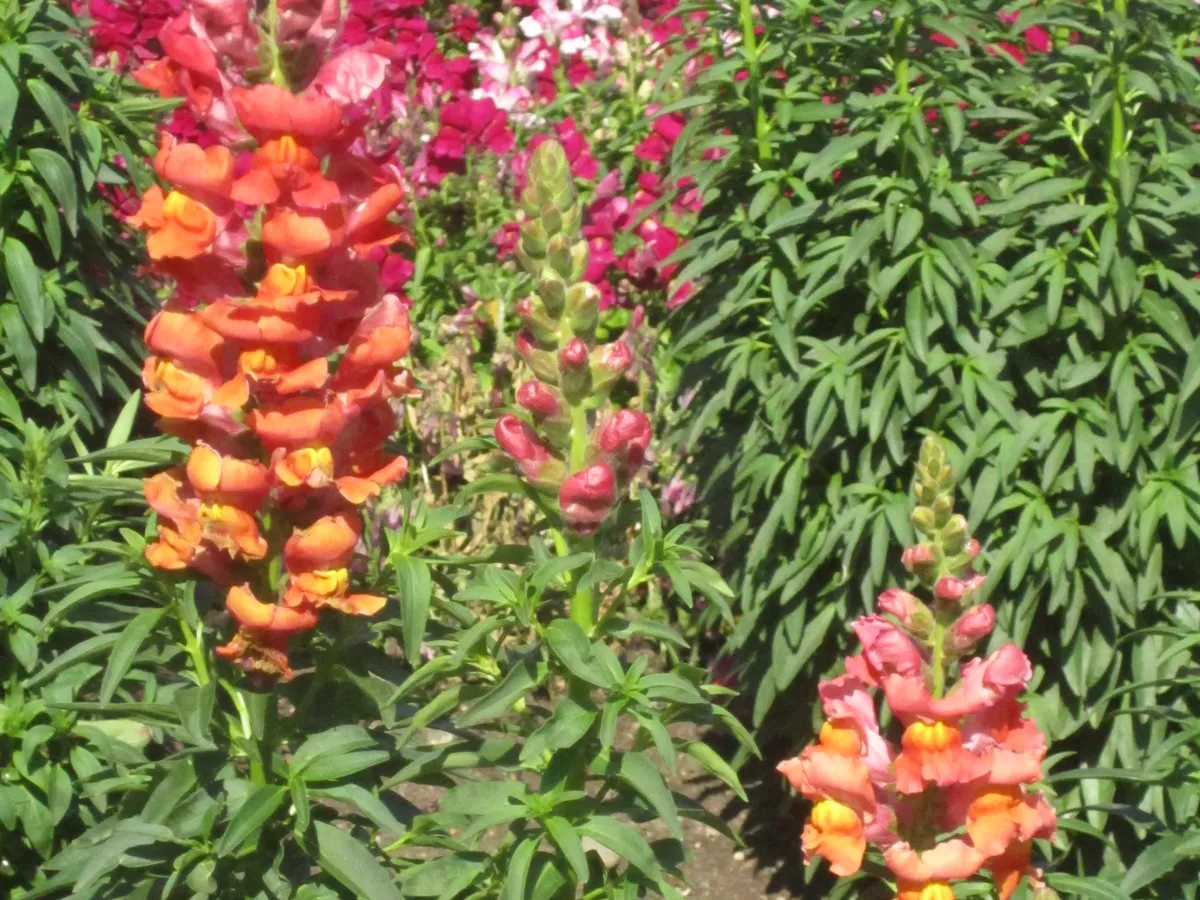
Snapdragon
Plantaginaceae
Days
90d
Depth
0.0625″
Apart
8″
Cool-season cut flower. Pinch above 3rd leaf set for branching plants. Rocket and Madame Butterfly series for cuts.
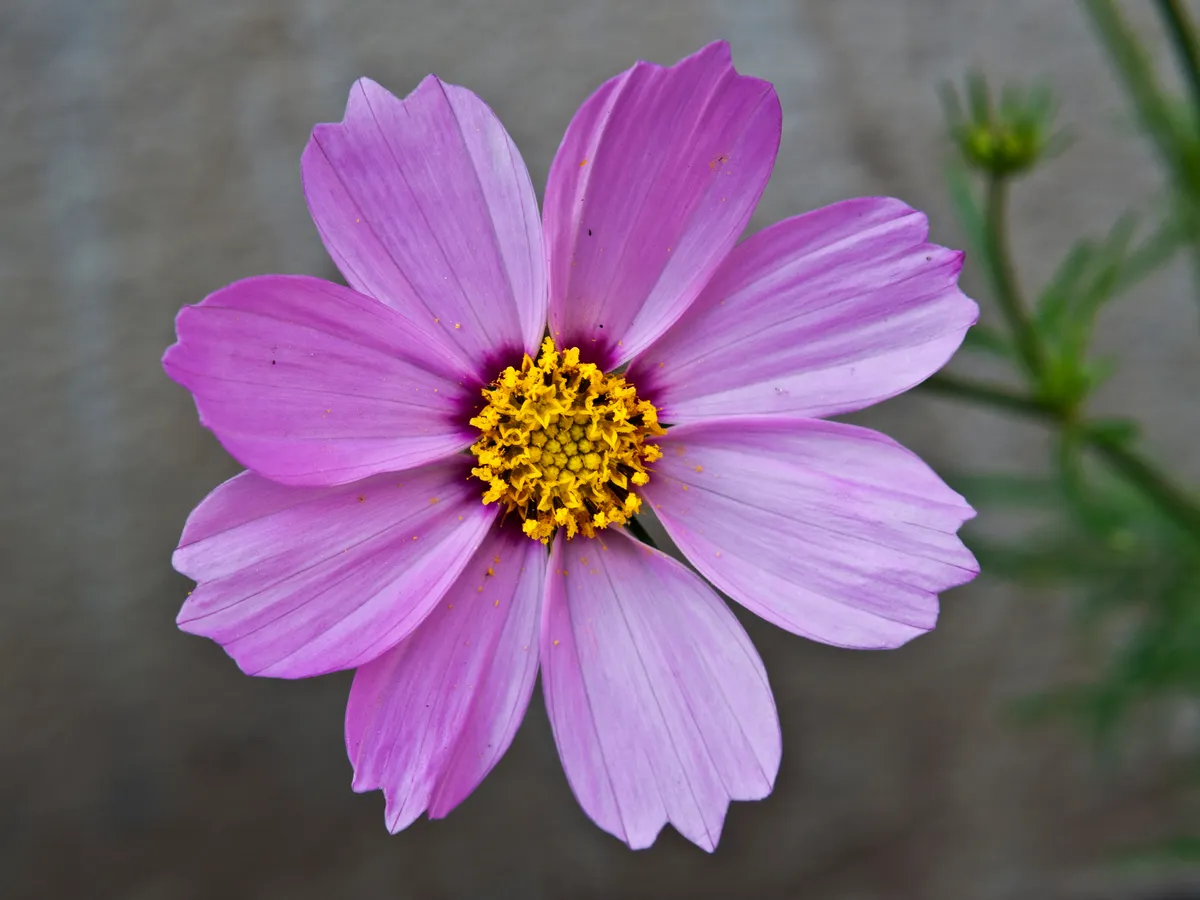
Cosmos (Sensation)
Asteraceae
Days
90d
Depth
0.25″
Apart
18″
Tall variety -- 4 to 5 ft. Stake or grow against a fence. White, pink, magenta single blooms on airy foliage.
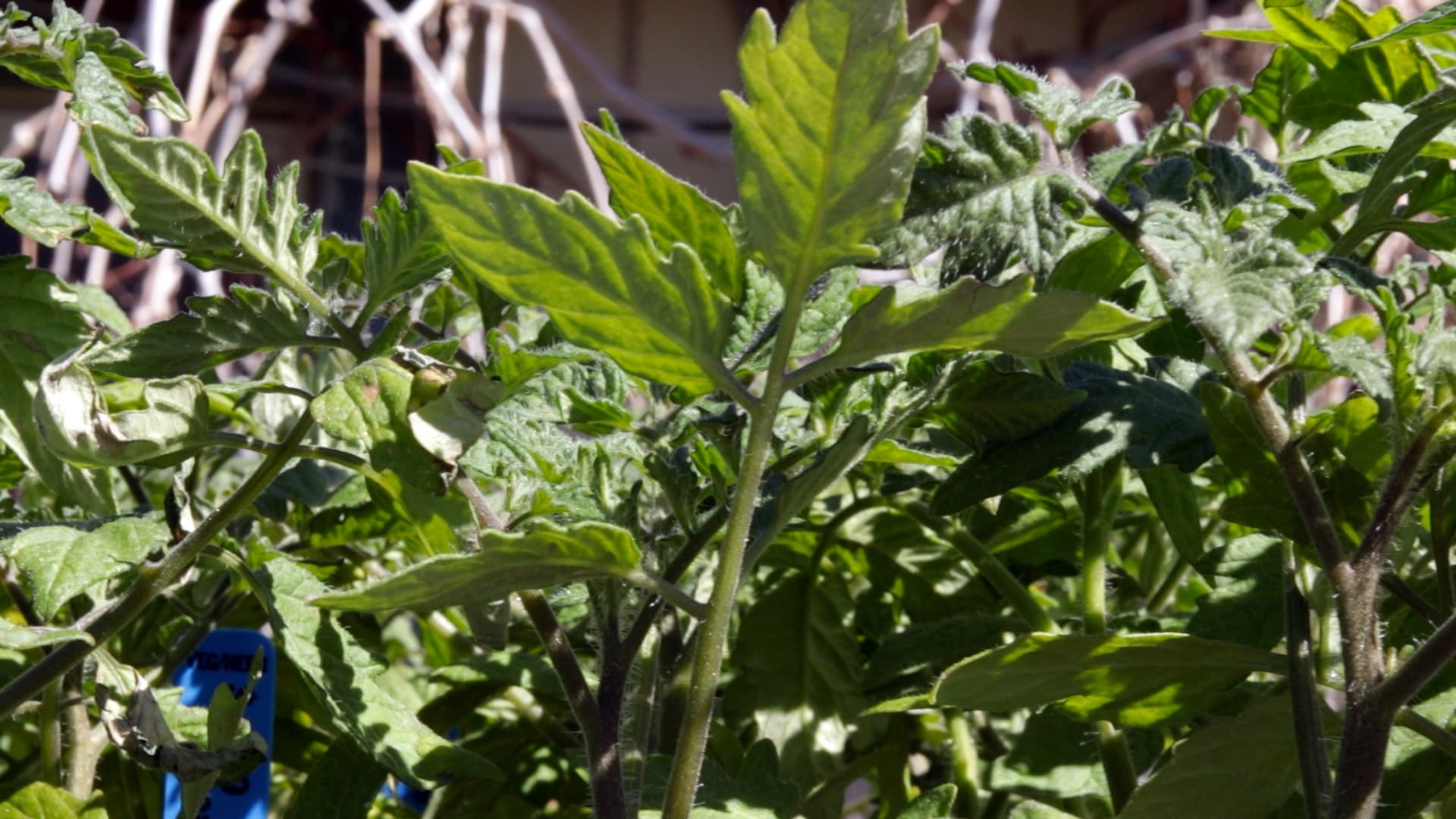
Beefsteak Tomato
Solanaceae
Days
85d
Depth
0.25″
Apart
30″
Big sandwich slicers -- Brandywine, Mortgage Lifter, Cherokee Purple. Long-season; Utah barely fits the window.
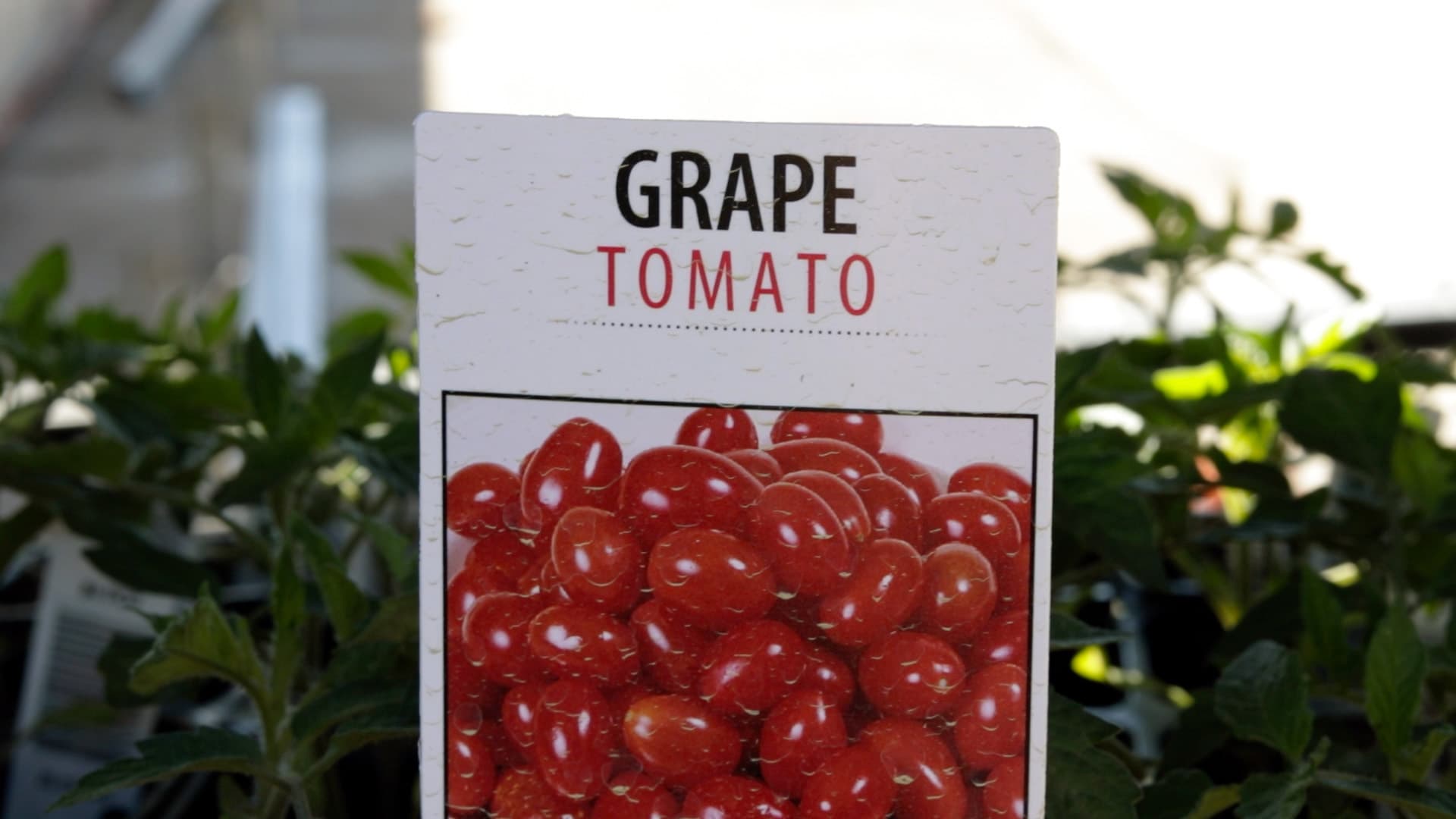
Grape Tomato
Solanaceae
Days
65d
Depth
0.25″
Apart
24″
Smaller and more elongated than cherry. Juliet and Five Star are reliable producers, crack-resistant.
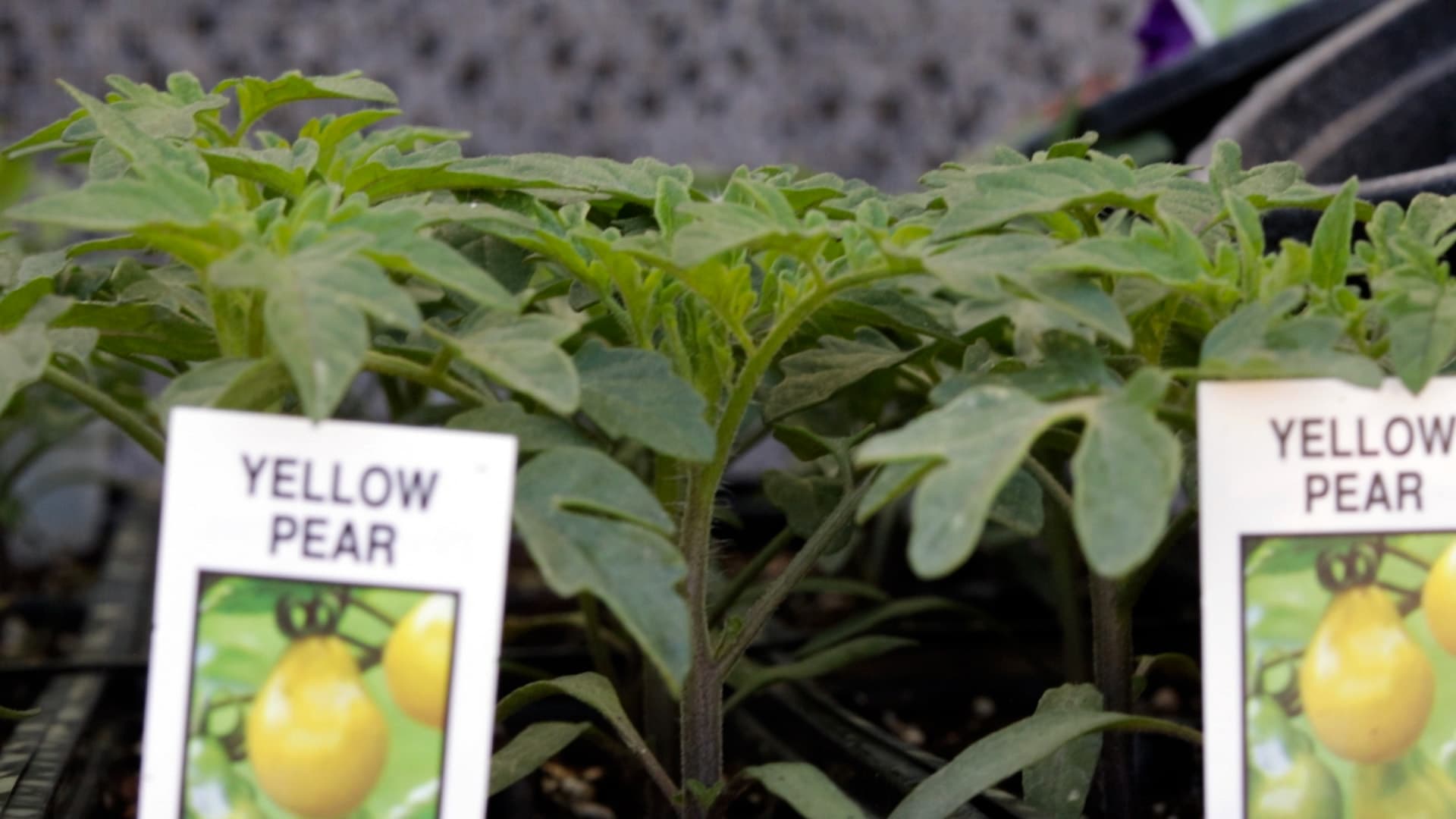
Yellow Pear Tomato
Solanaceae
Days
75d
Depth
0.25″
Apart
24″
Mild flavor, ornamental shape. Indeterminate -- keep producing until frost. Great for salads and kids.
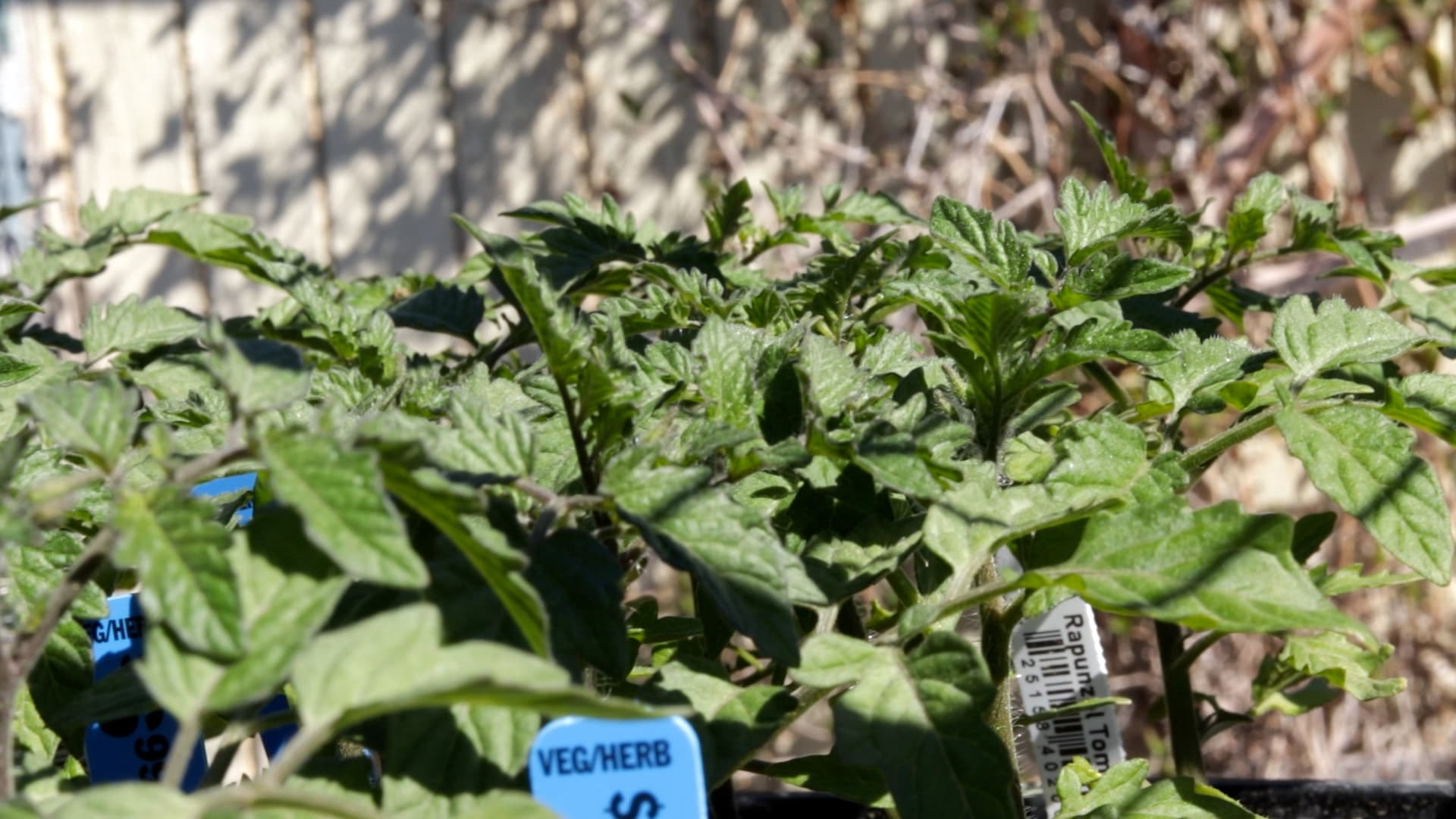
Rapunzel Tomato
Solanaceae
Days
75d
Depth
0.25″
Apart
24″
40+ cherry tomatoes per truss in a long pendant. Showstopper at farmers markets. Indeterminate, vigorous.
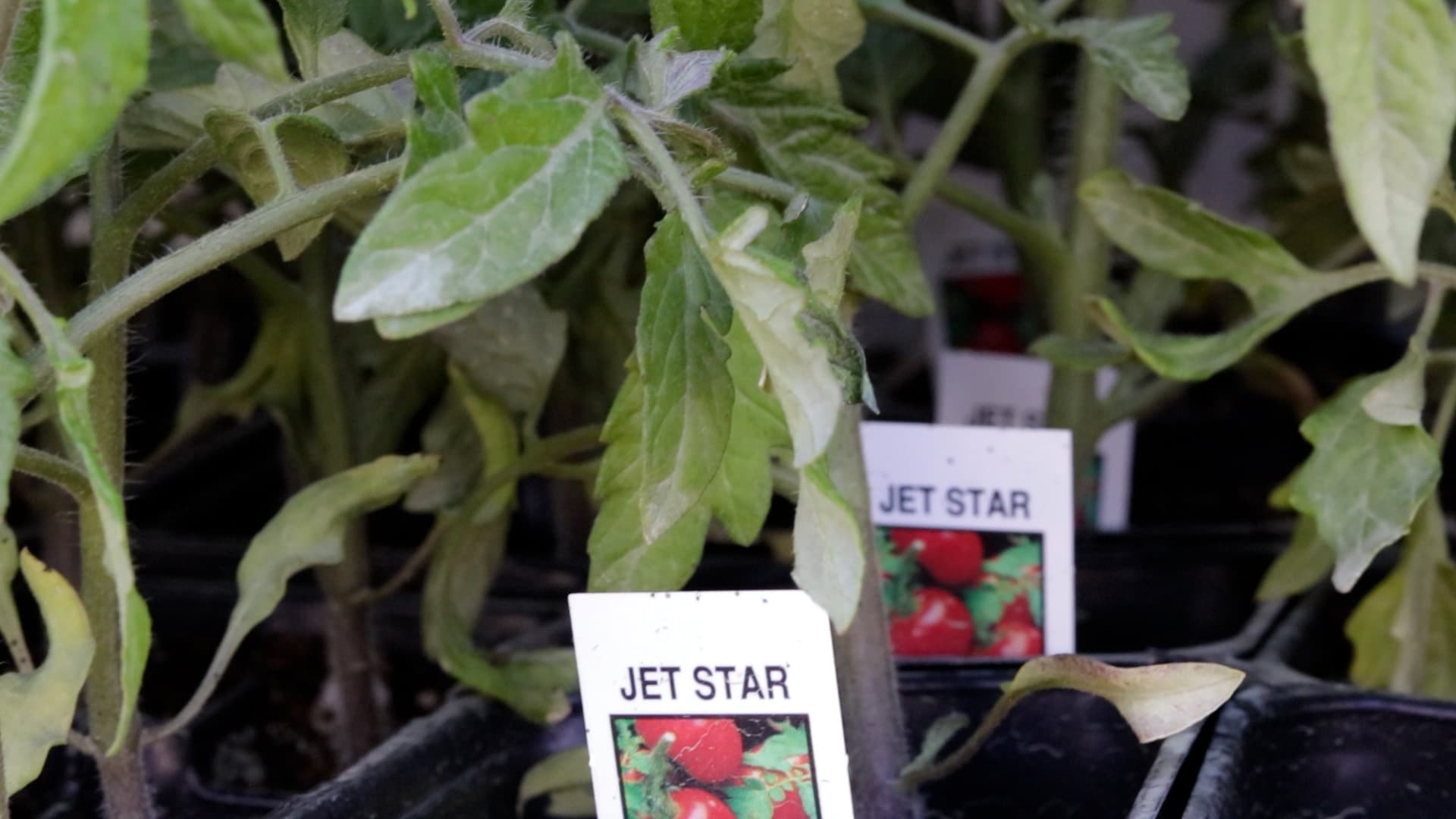
Jet Star Tomato
Solanaceae
Days
72d
Depth
0.25″
Apart
24″
Classic mid-size red slicer. Disease-resistant, low-acid, reliable. Indeterminate, heavy producer.
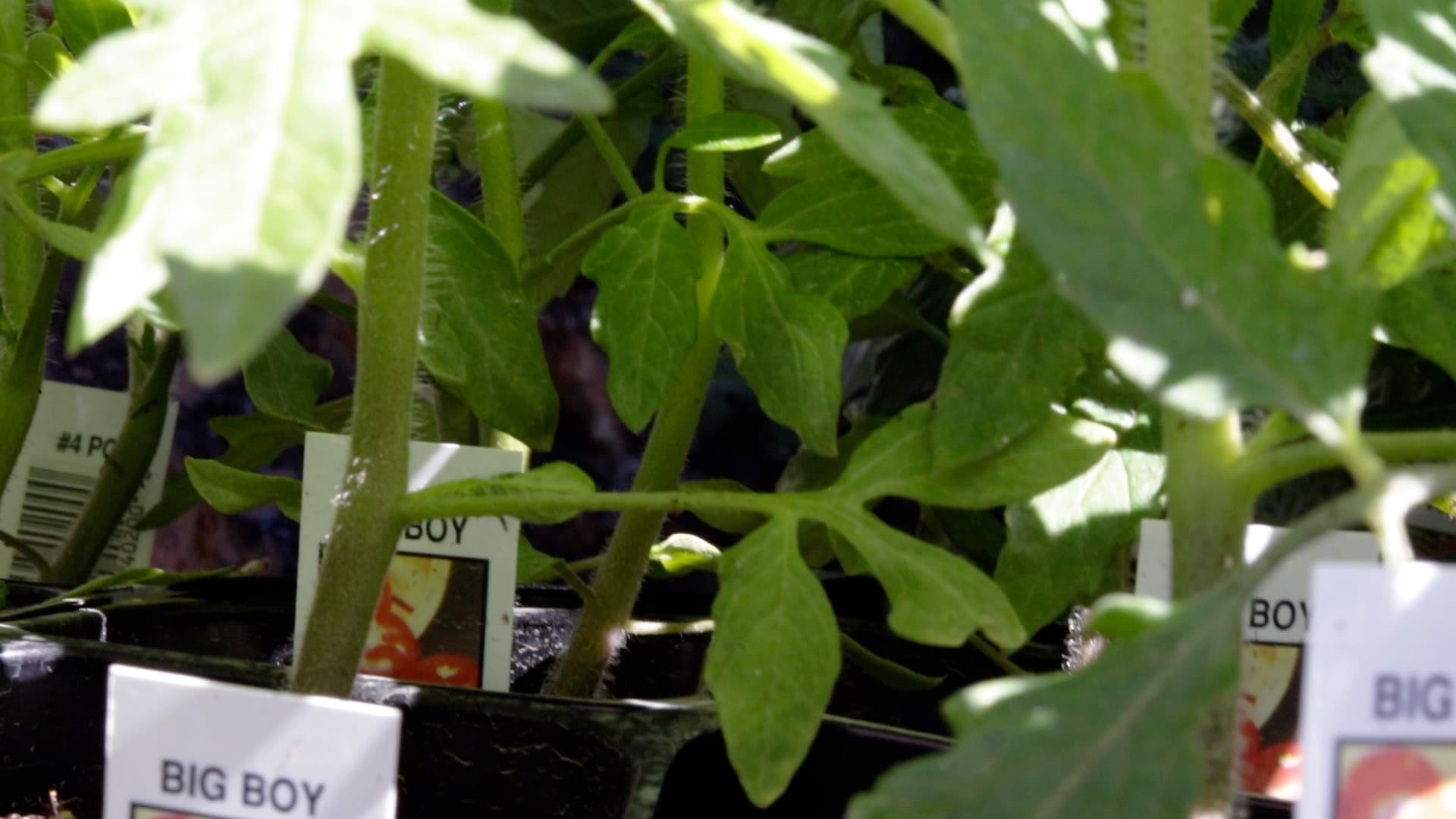
Big Boy Tomato
Solanaceae
Days
78d
Depth
0.25″
Apart
30″
The classic 1-pound red slicer. Stake heavily. Use one slice per sandwich.
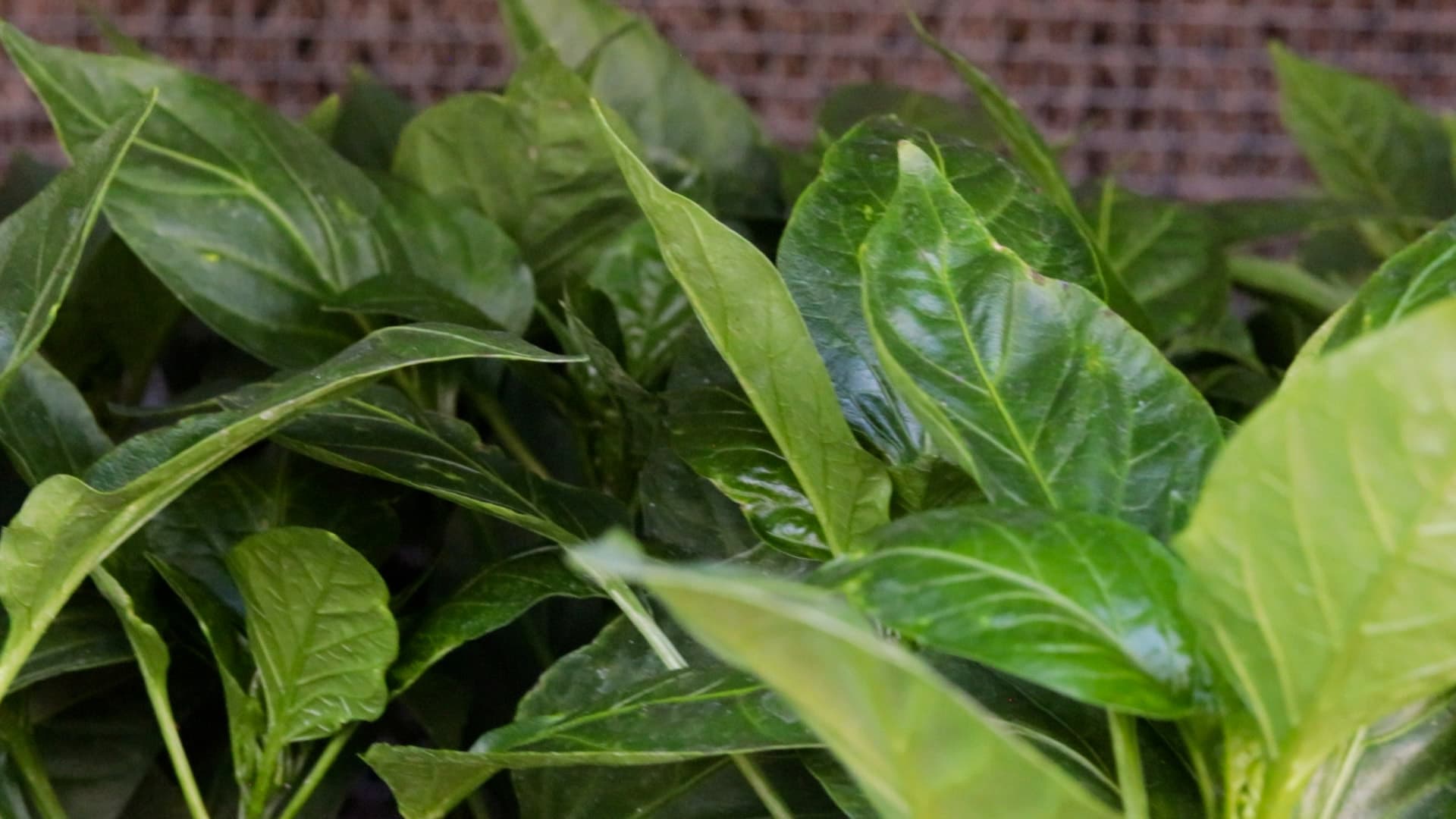
California Wonder Pepper
Solanaceae
Days
75d
Depth
0.25″
Apart
18″
Heirloom 4-lobe blocky bell. Thicker walls than many newer cultivars. Best harvested green or red.
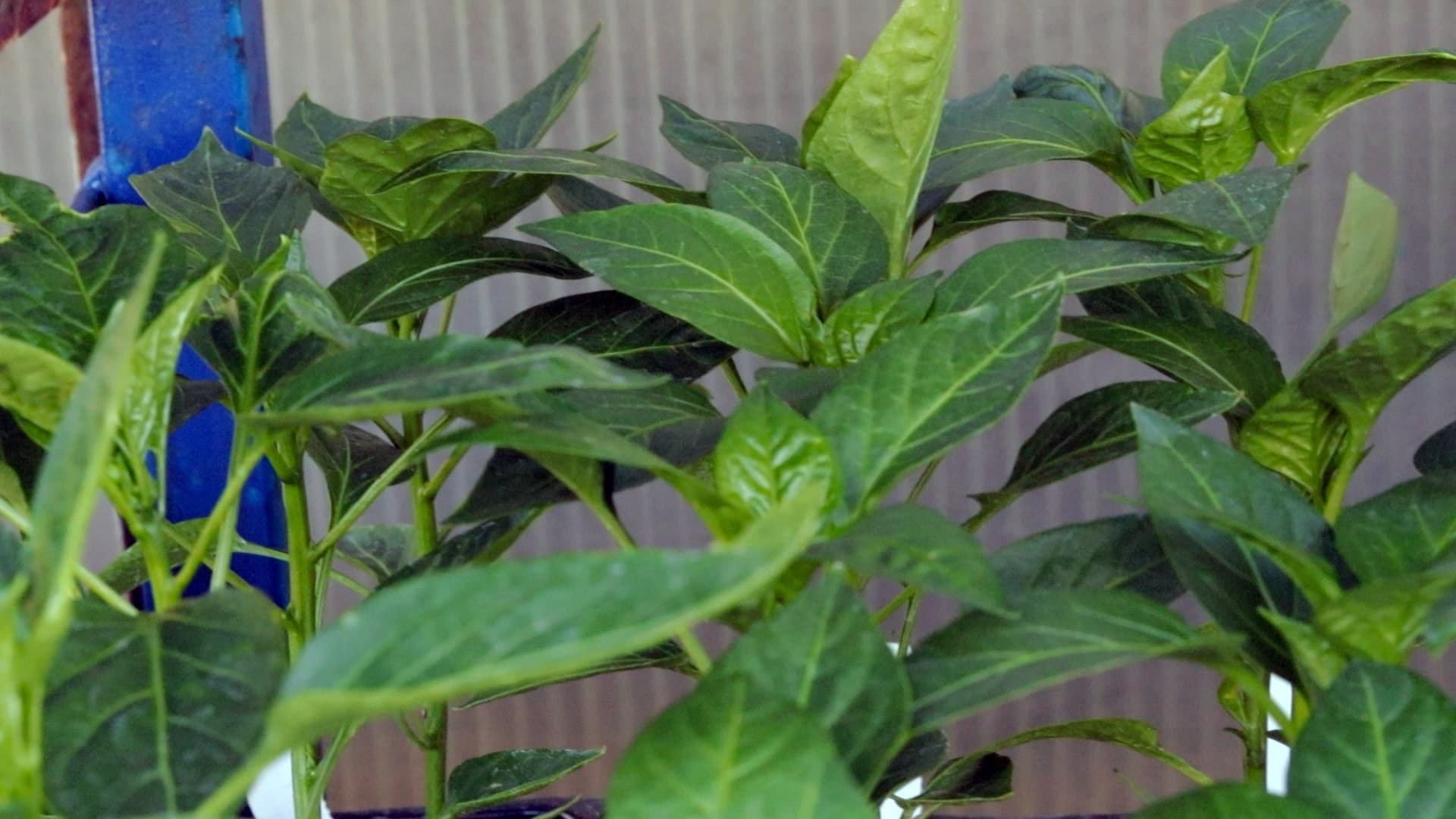
Sweet Canyon Pepper
Solanaceae
Days
70d
Depth
0.25″
Apart
18″
Long Italian-style sweet pepper. Prolific producer. Excellent fried, stuffed, or sliced raw.
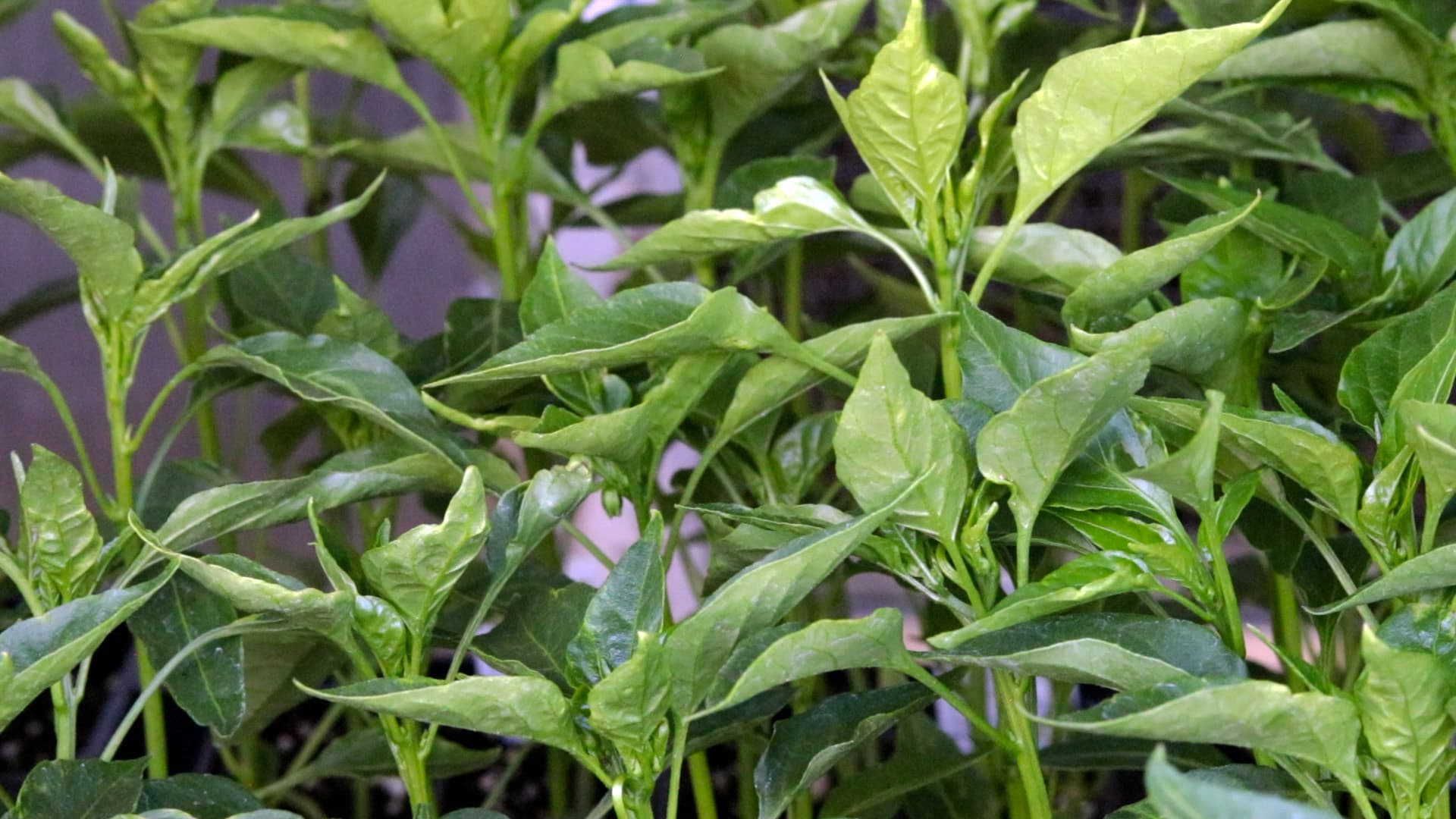
Cayenne Pepper
Solanaceae
Days
75d
Depth
0.25″
Apart
18″
30,000-50,000 SHU. Dry whole pods or grind for cayenne powder. Pick when fully red for best heat.
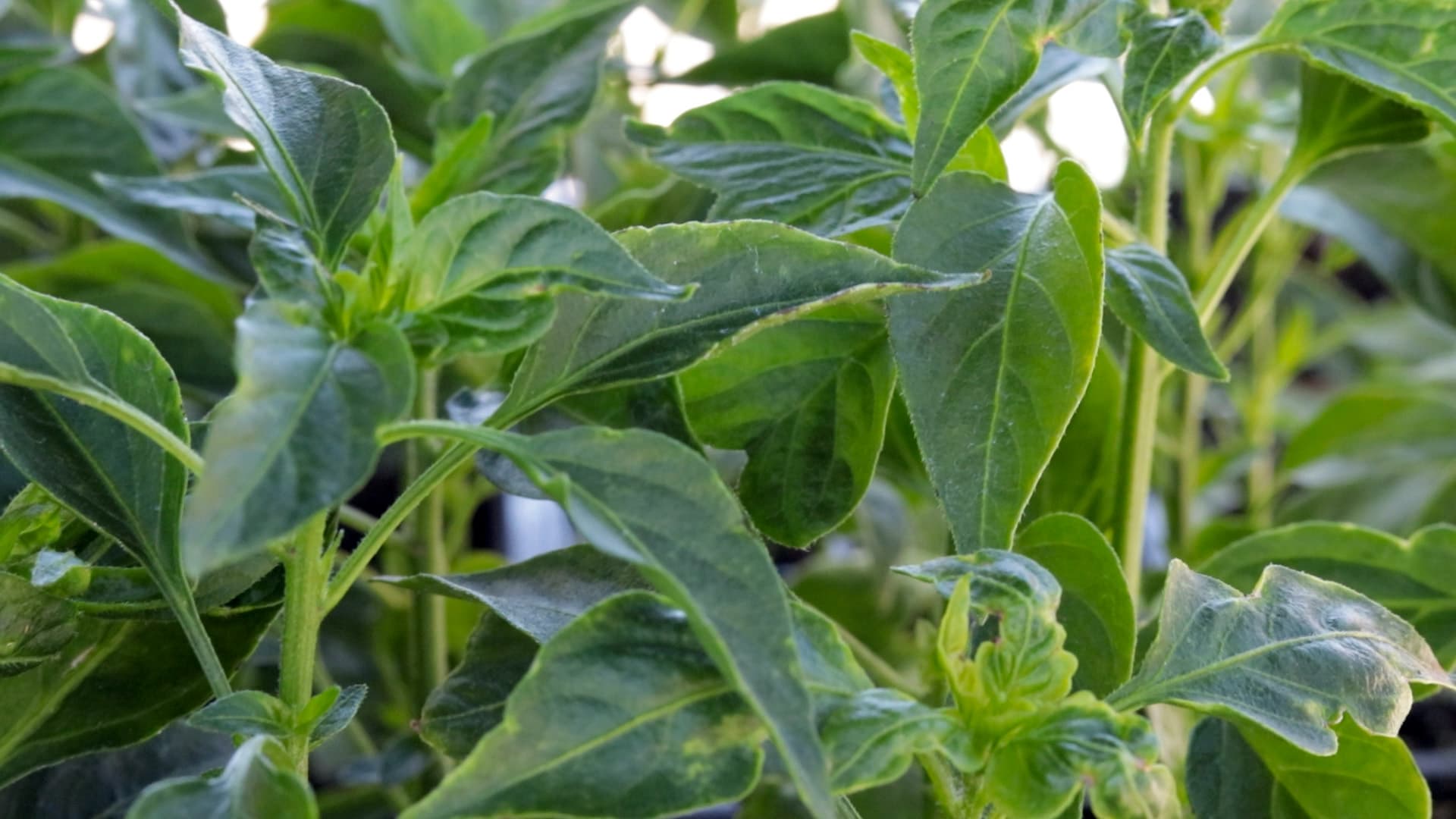
Serrano Pepper
Solanaceae
Days
75d
Depth
0.25″
Apart
18″
10,000-25,000 SHU. The salsa pepper. Use green for fresh salsas, let ripen red for hot sauce.
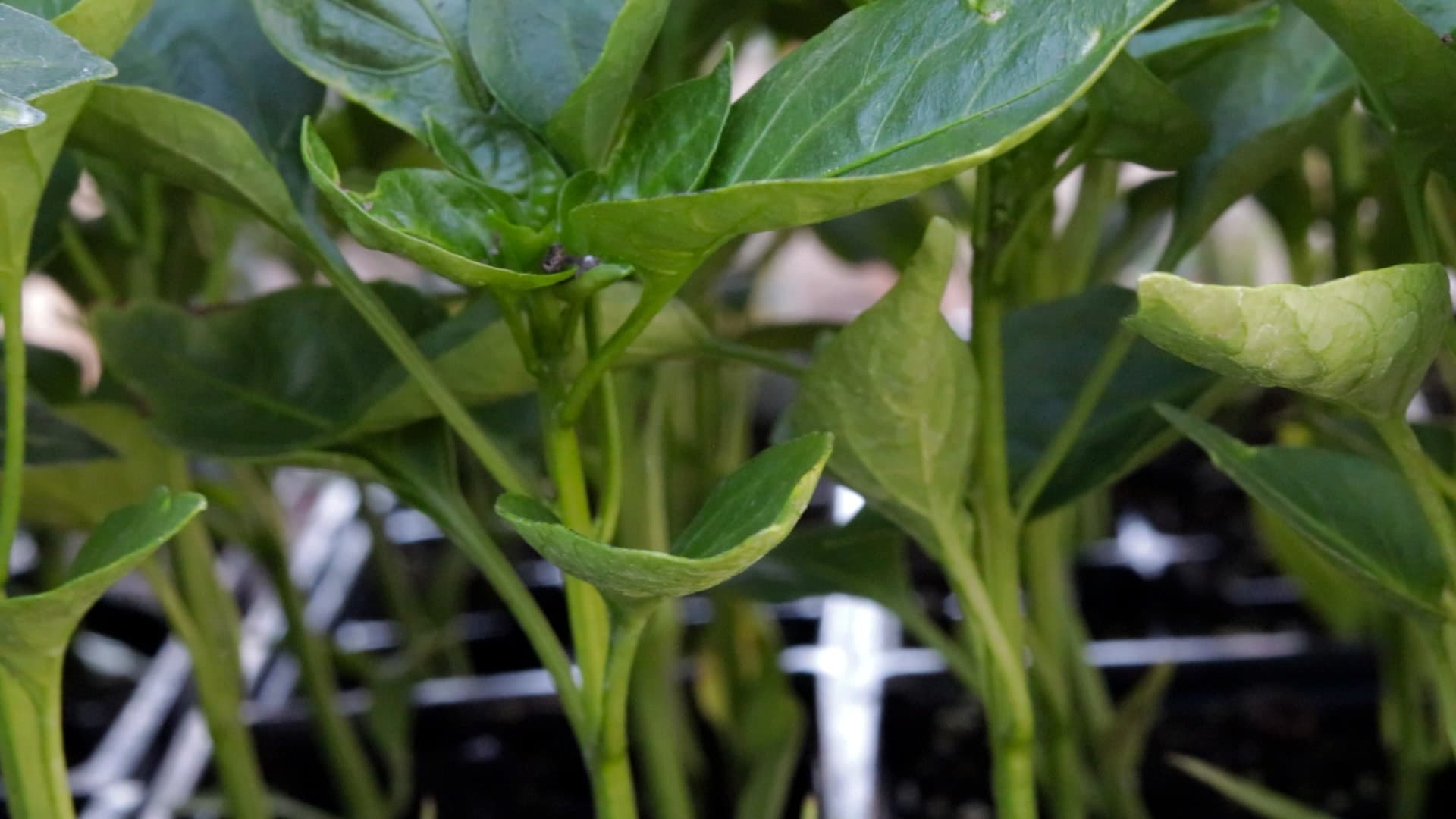
Rainbow Bell Mix
Solanaceae
Days
80d
Depth
0.25″
Apart
18″
Mix of red, yellow, orange, and purple bells. Plant 4-6 in a row for a colorful market harvest.
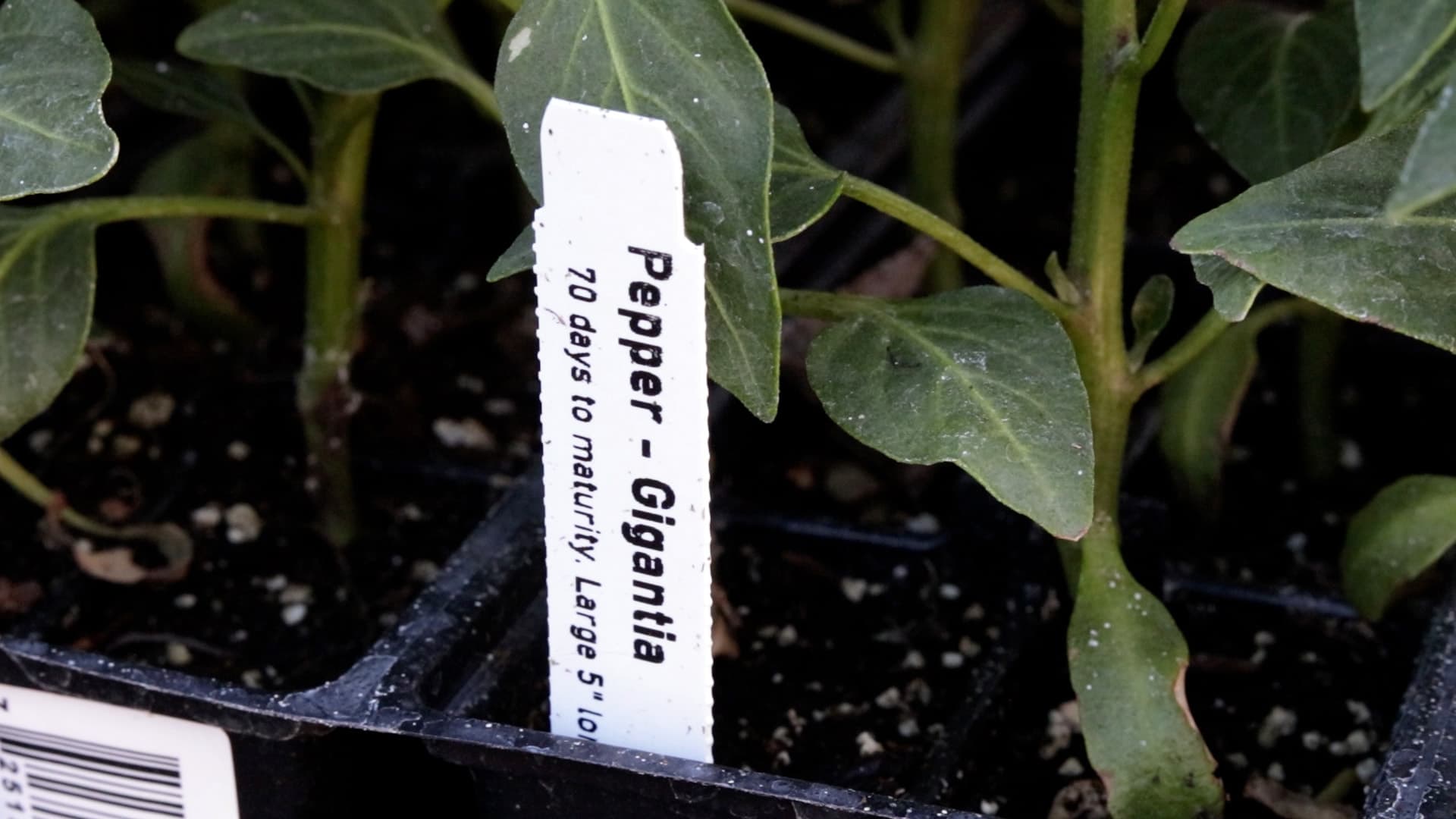
Gigantia Pepper
Solanaceae
Days
75d
Depth
0.25″
Apart
18″
Extra-large bell. Each fruit can hit half a pound. Stake plants -- they tip with the weight of fruit.
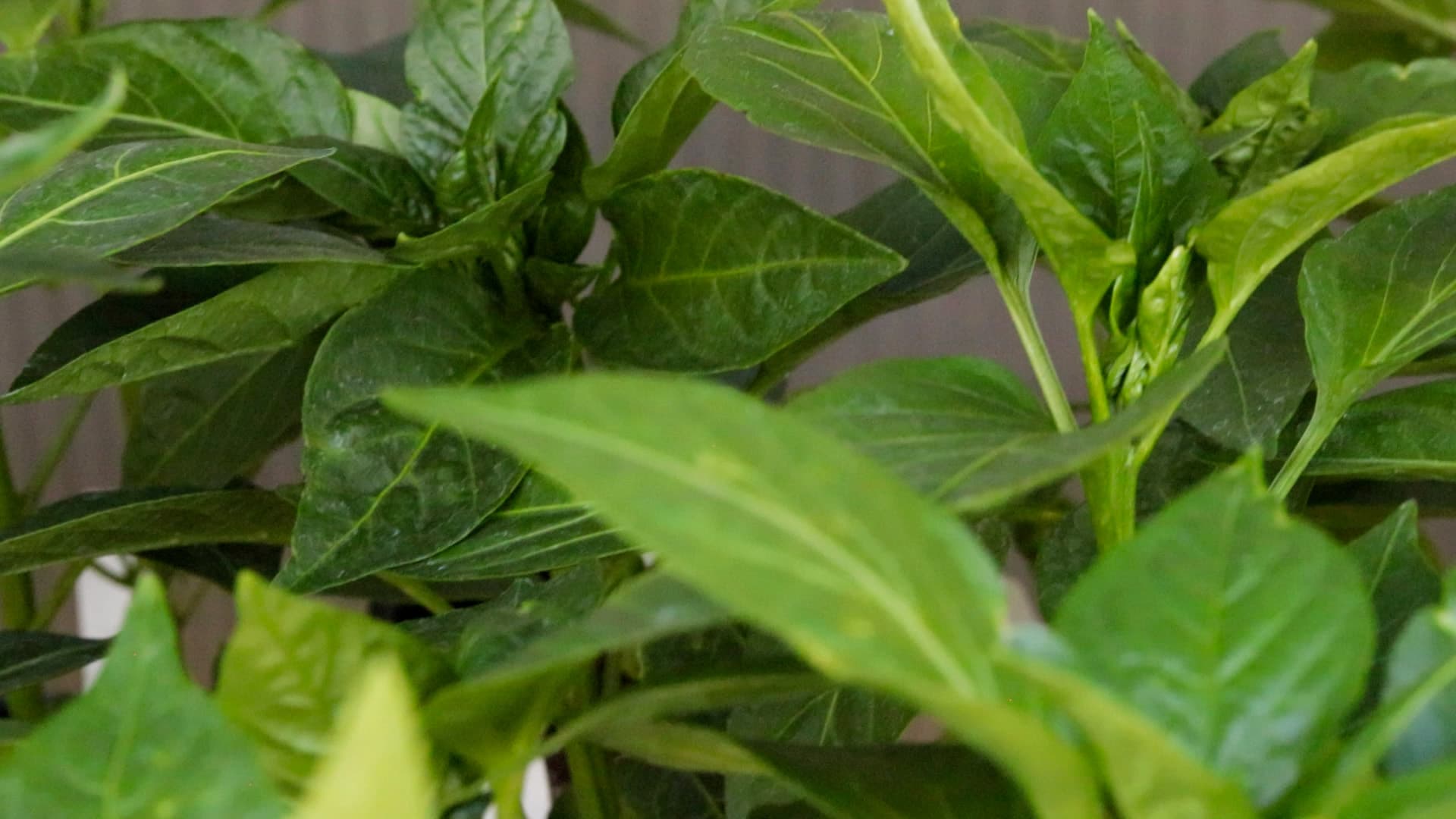
King of the North Pepper
Solanaceae
Days
70d
Depth
0.25″
Apart
18″
Bred for cool climates -- sets fruit at lower temps than most bells. Reliable producer at our elevation.
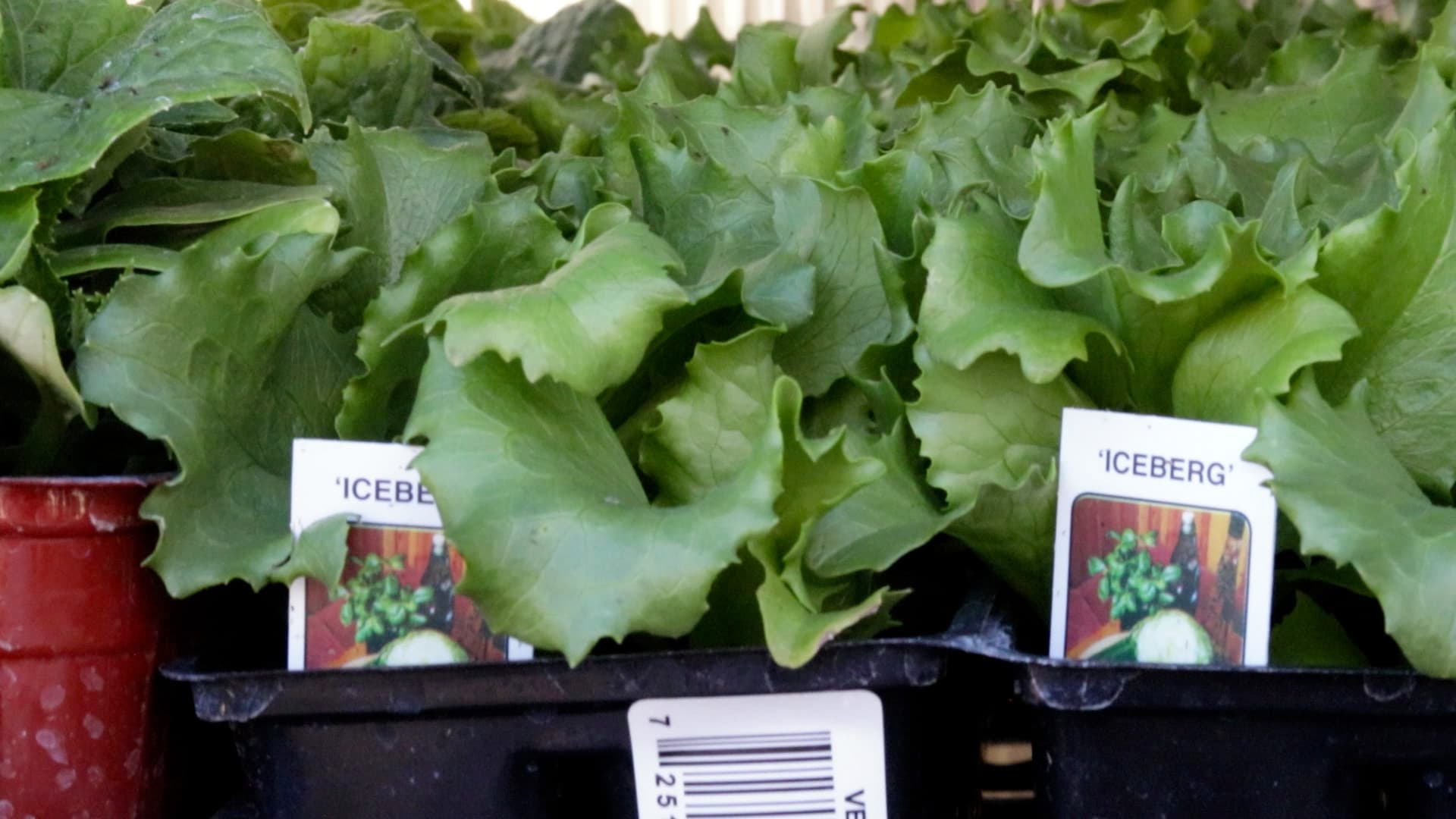
Iceberg Lettuce
Asteraceae
Days
70d
Depth
0.125″
Apart
12″
Crisphead -- needs 60-day cool window. Spring crop only at our elevation; bolts in July heat.
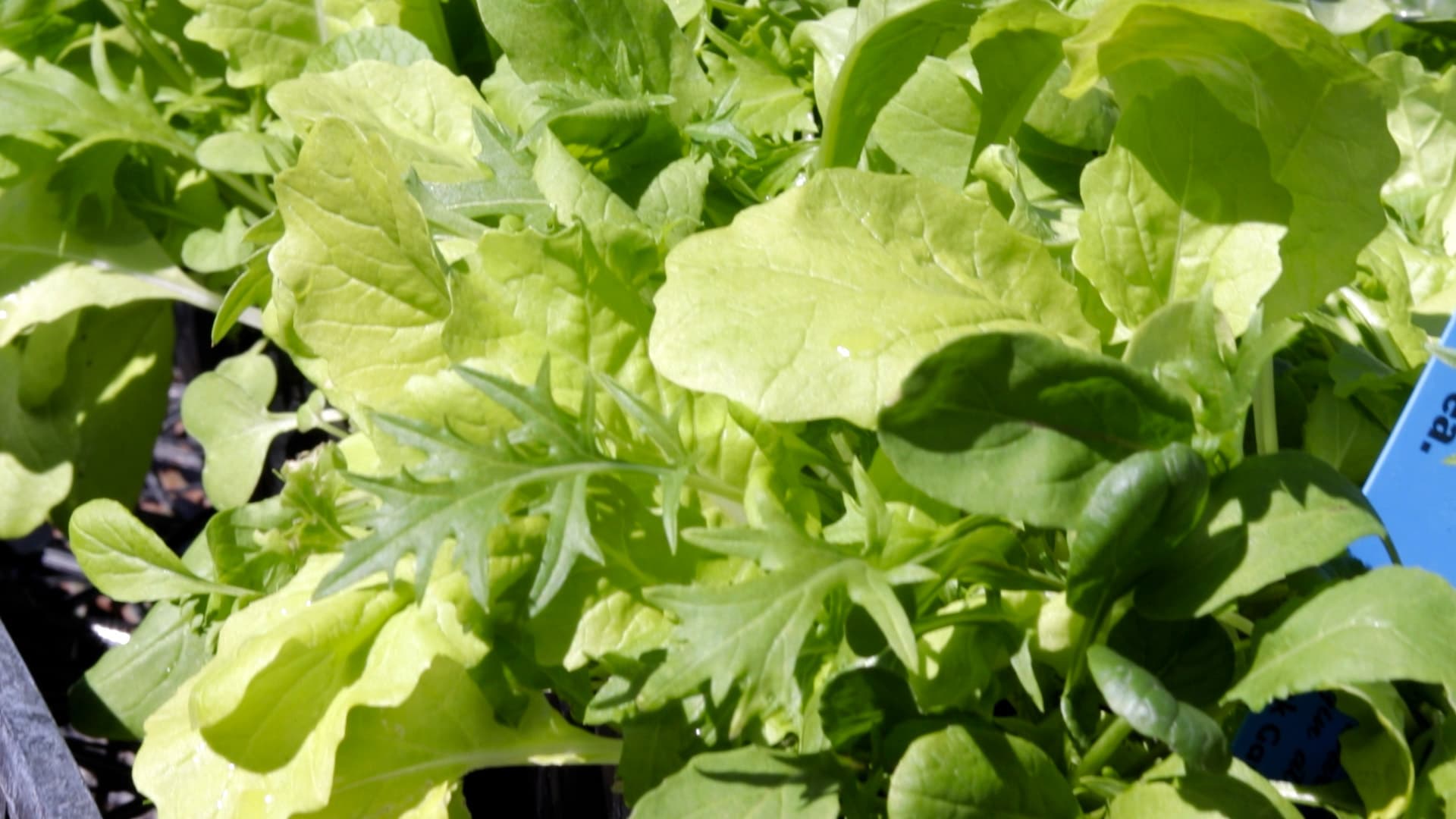
Asian Baby Lettuce Mix
Asteraceae
Days
35d
Depth
0.125″
Apart
2″
Mizuna, tatsoi, mibuna, baby bok choi. Cut at 4" tall for spicy salad mix. Regrows 2-3 times.
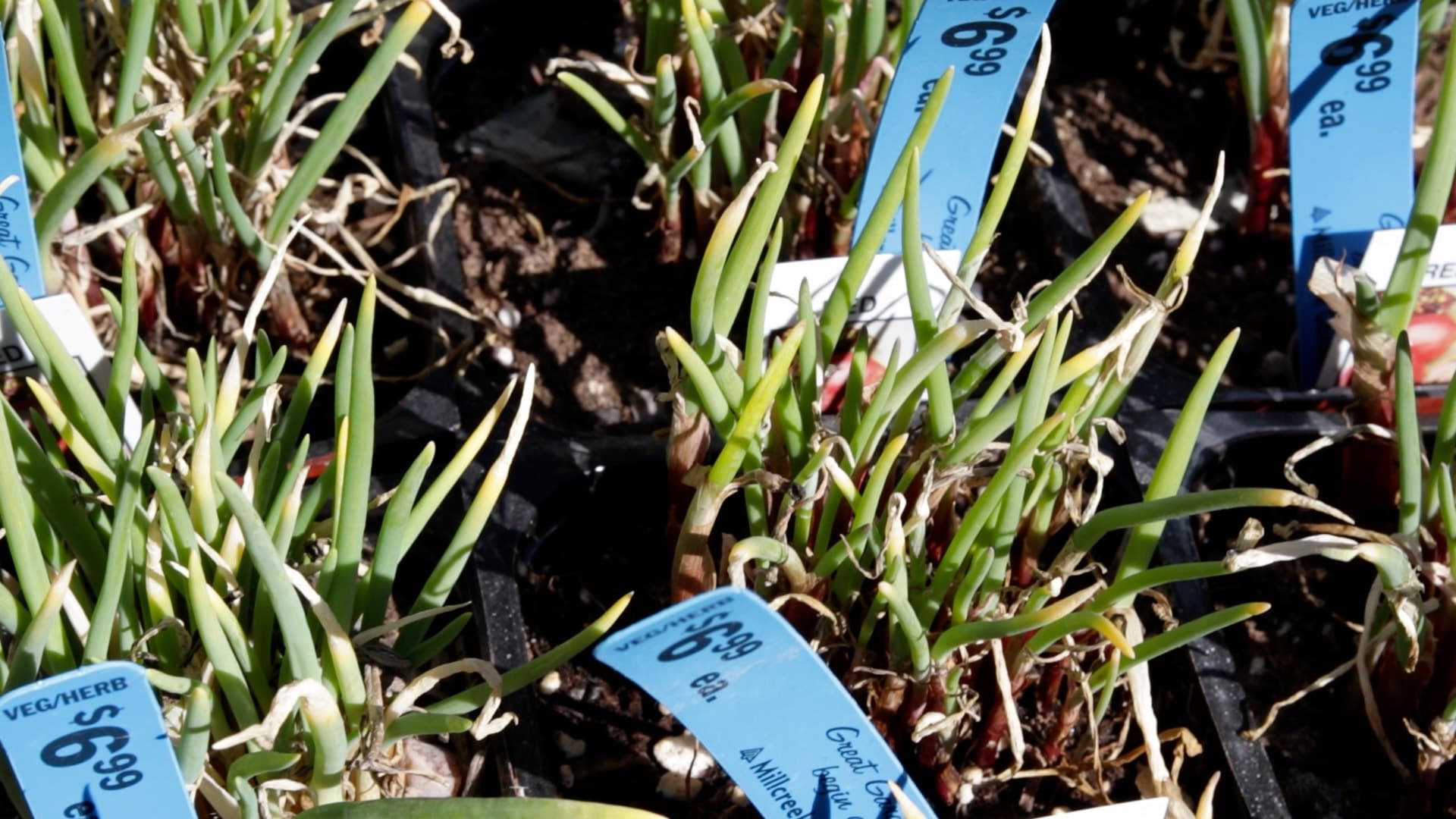
Red Onion
Amaryllidaceae
Days
110d
Depth
0.25″
Apart
4″
Red Wing and Cabernet are reliable long-day reds for Utah. Sweet enough for raw use, store 4-6 months.
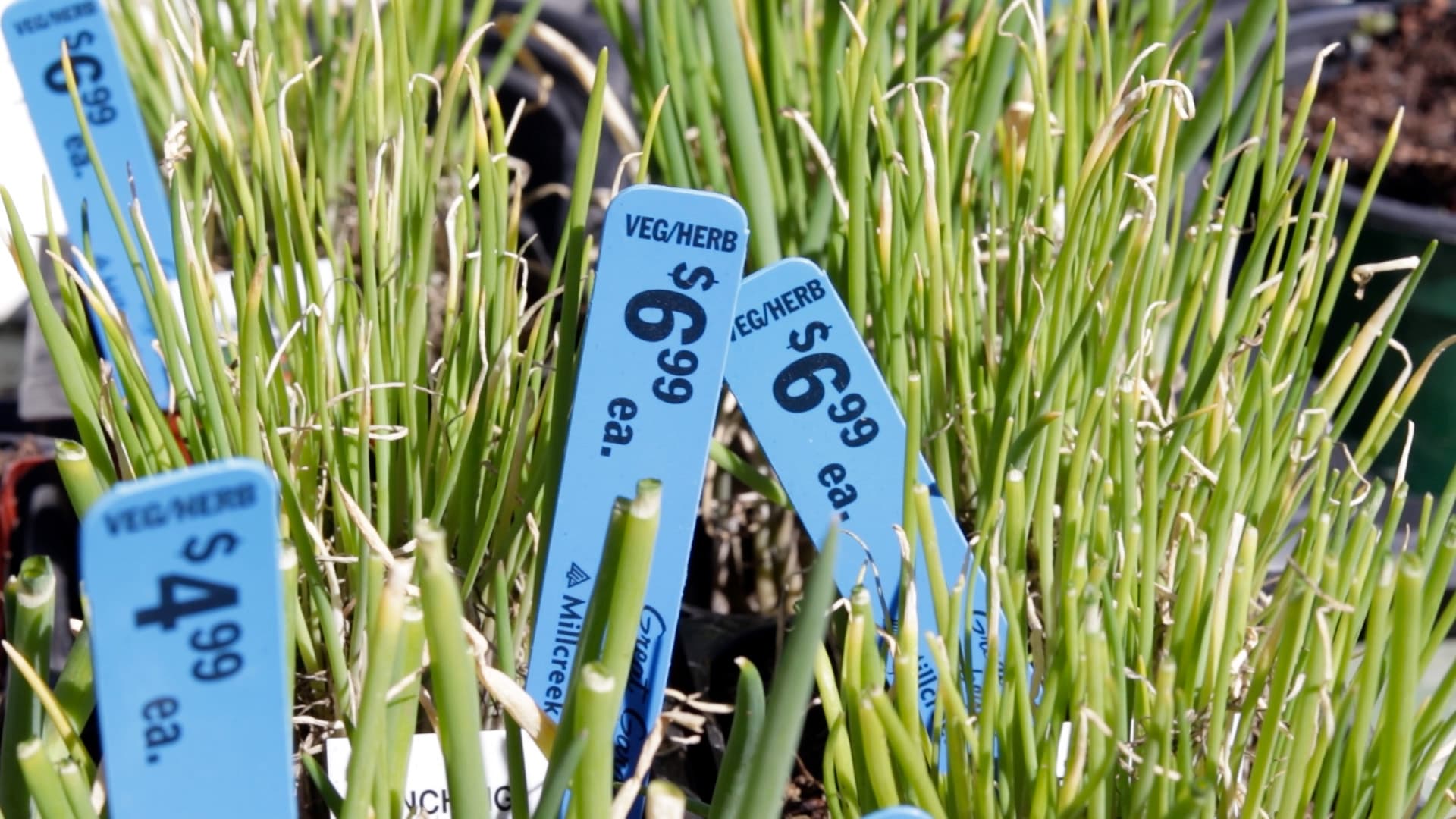
Bunching Onion (Scallion)
Amaryllidaceae
Days
60d
Depth
0.25″
Apart
1″
Evergreen and Tokyo Long White produce all season. Cut tops to 2"; they regrow.
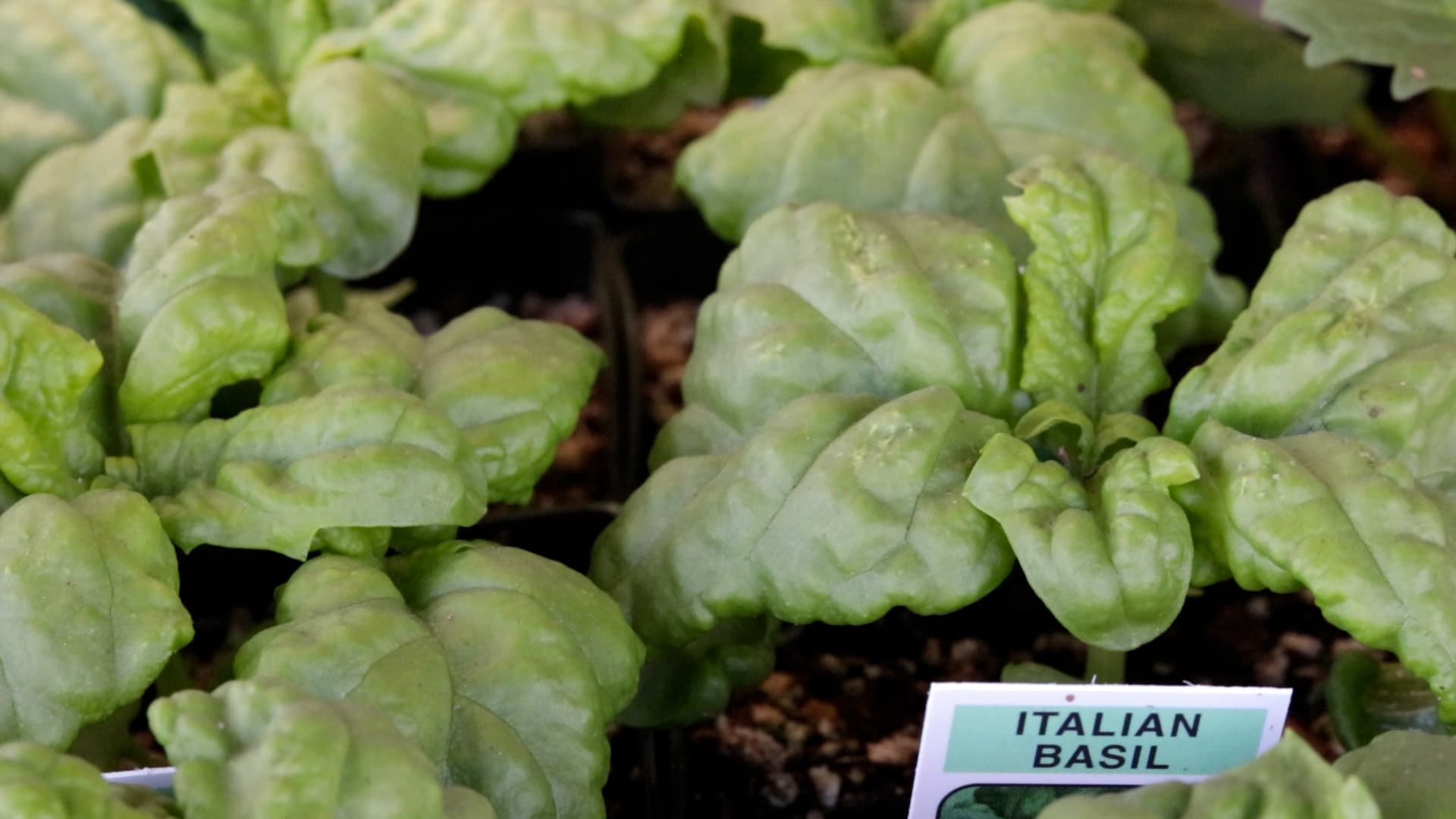
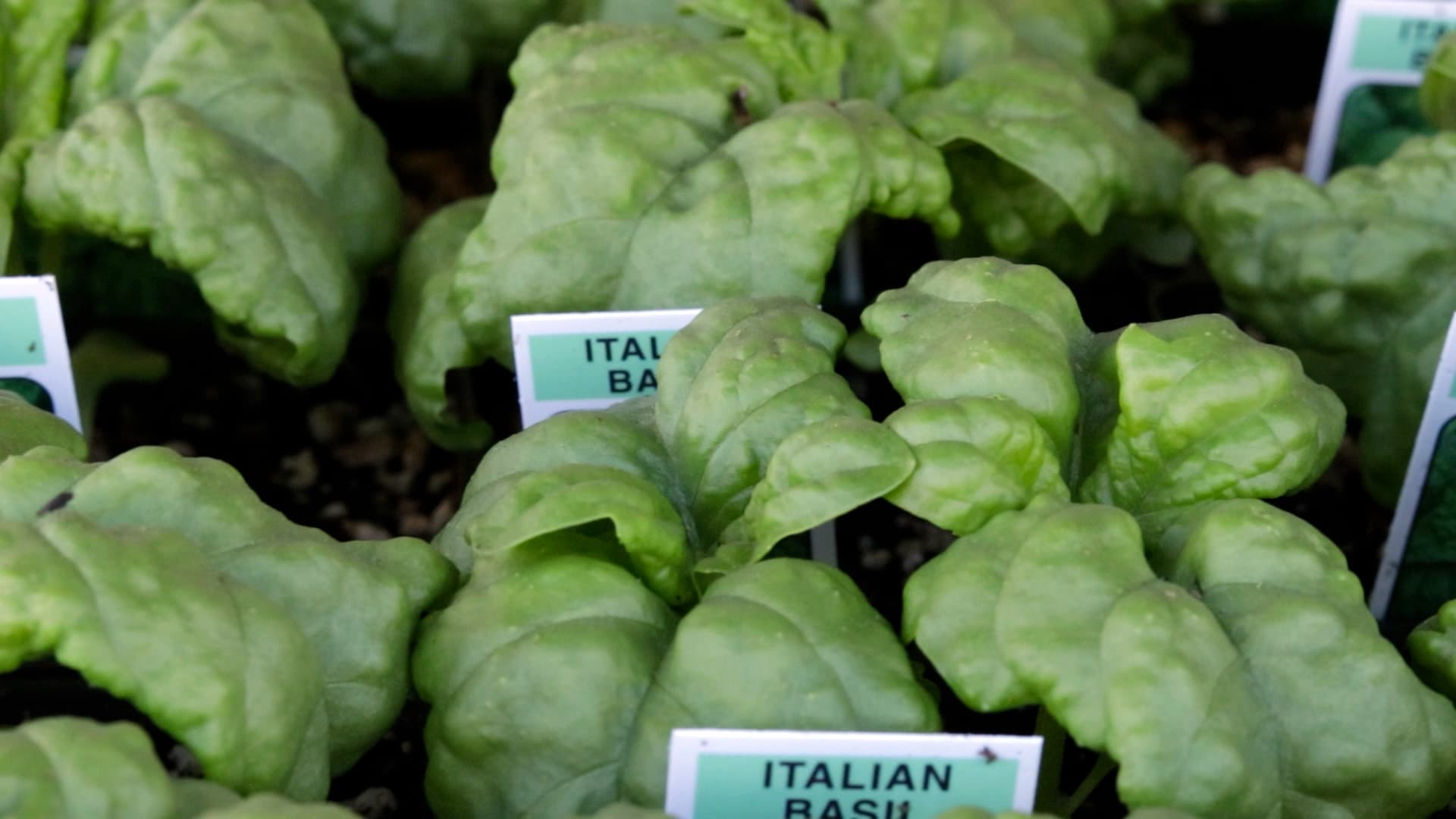
Italian Basil
Lamiaceae
Days
60d
Depth
0.125″
Apart
8″
Larger leaves than sweet, similar flavor profile. Good for layering whole leaves on caprese.
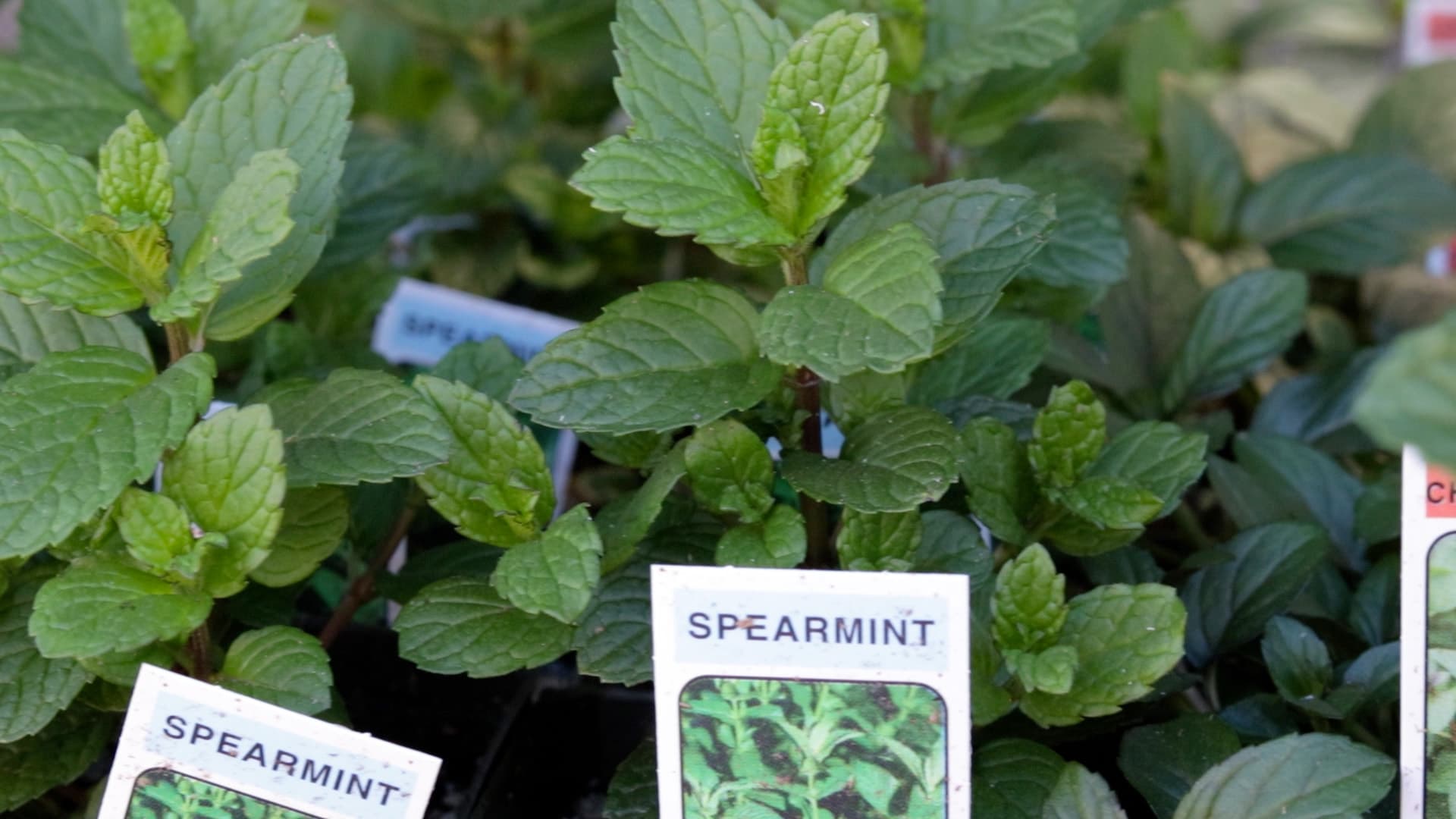
Spearmint
Lamiaceae
Days
90d
Depth
0.0625″
Apart
18″
Classic mint for tea, mojitos, lamb. Aggressive runner -- keep in a sunken pot.
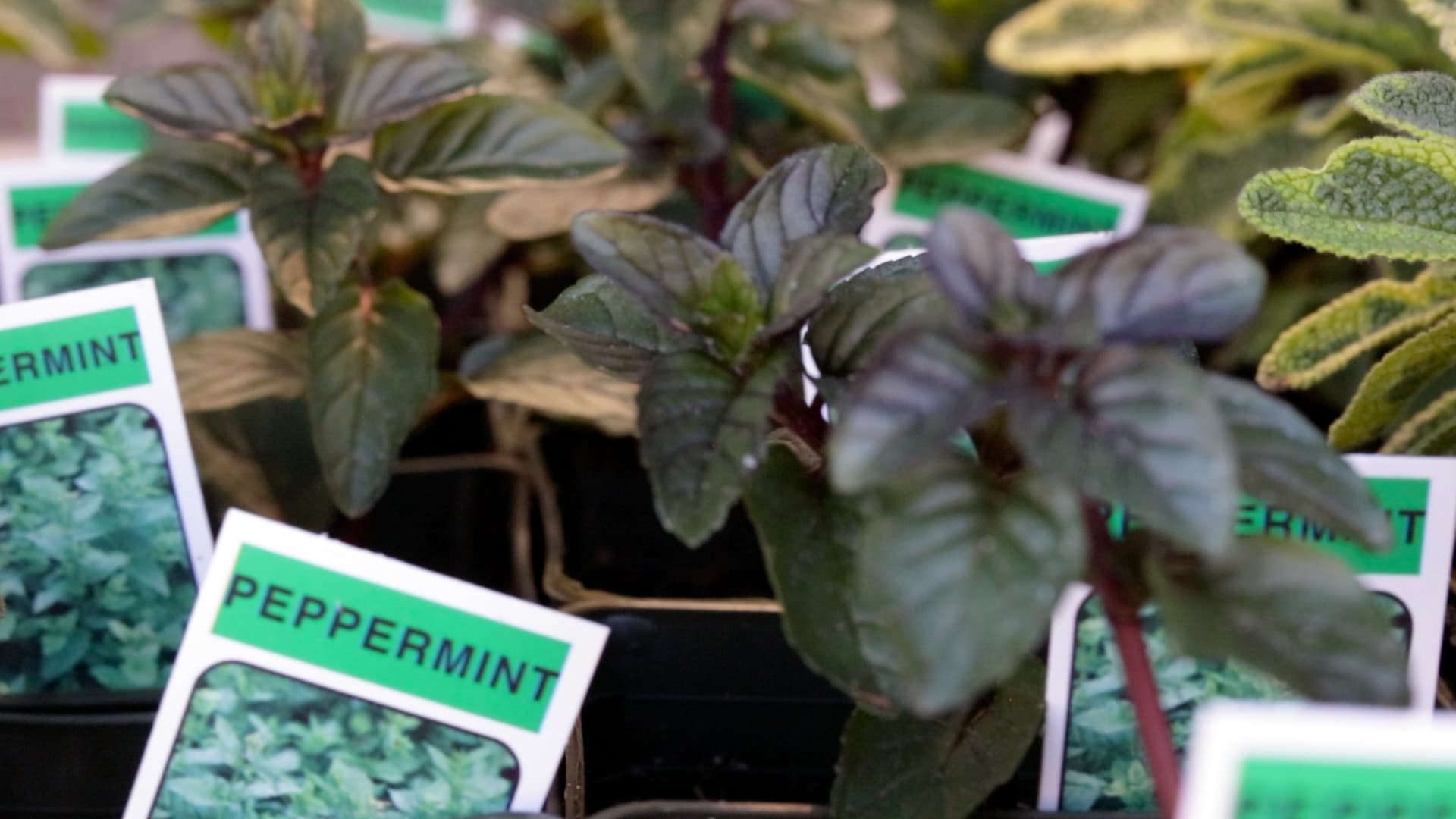
Peppermint
Lamiaceae
Days
90d
Depth
0.0625″
Apart
18″
More menthol than spearmint. The hot-cocoa, peppermint-tea mint. Same containment rules.
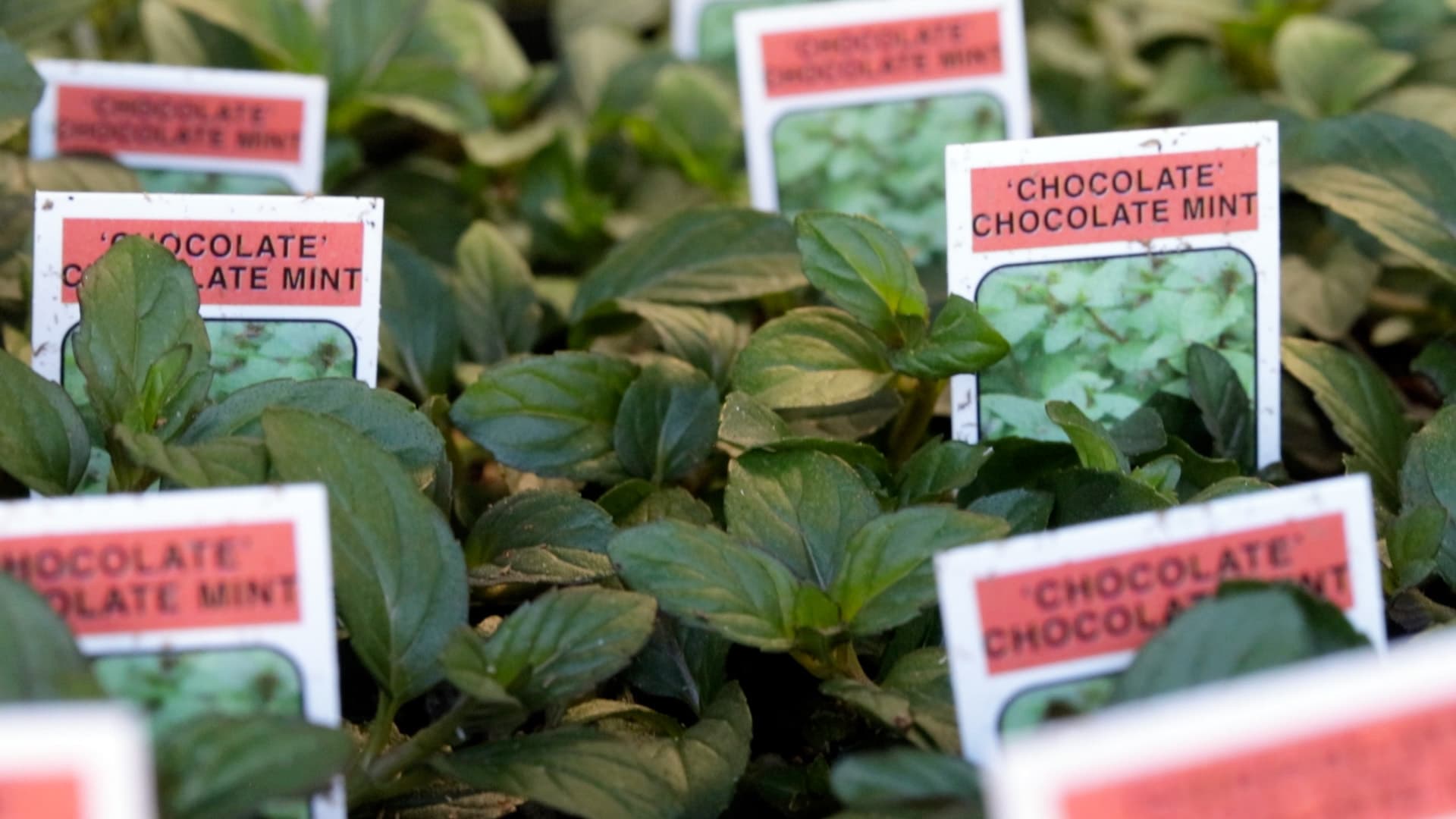
Chocolate Mint
Lamiaceae
Days
90d
Depth
0.0625″
Apart
18″
Hint of cocoa scent. Pairs with vanilla ice cream and dessert garnishes. Same containment rules.
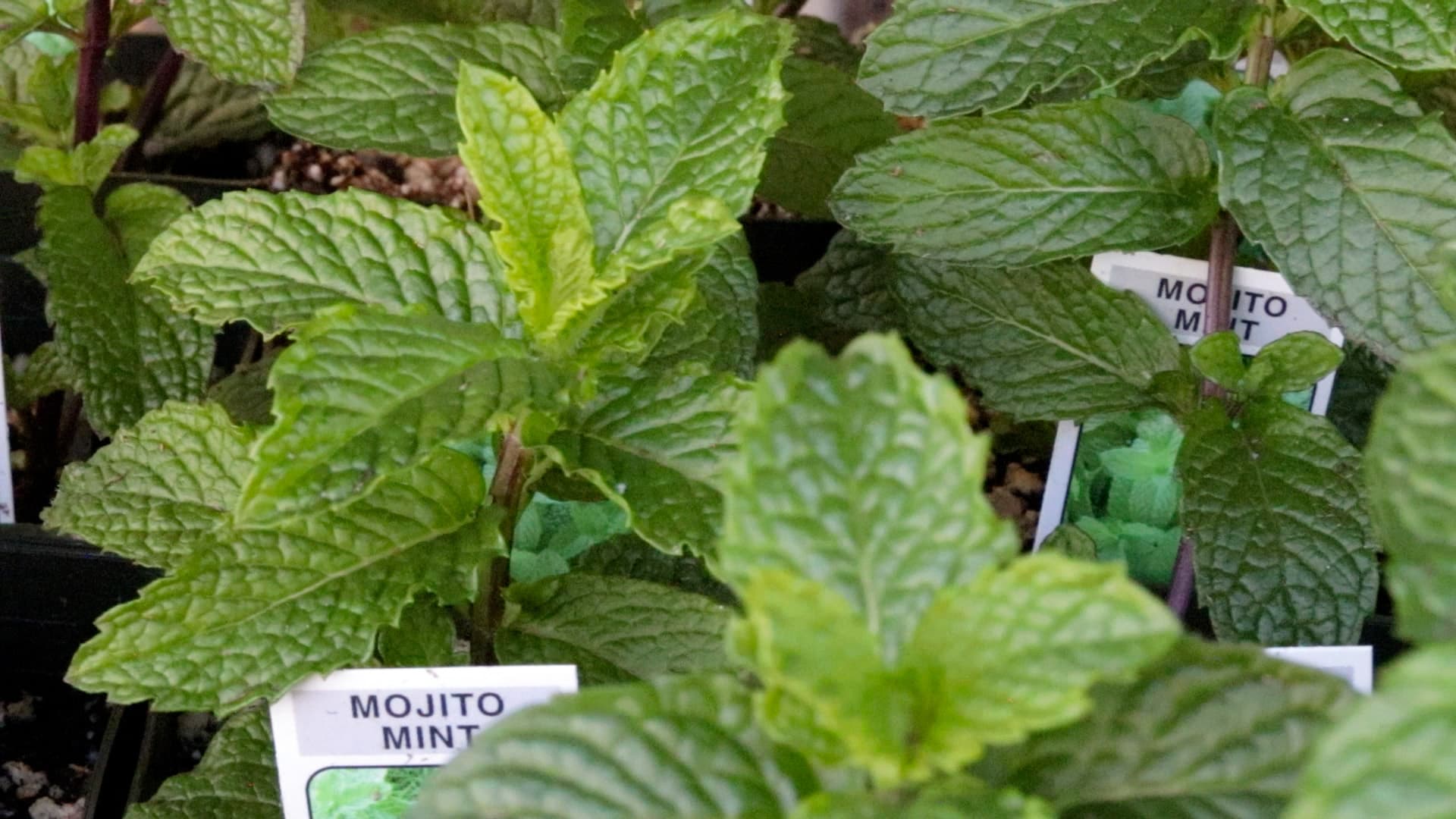
Mojito Mint
Lamiaceae
Days
90d
Depth
0.0625″
Apart
18″
The Cuban mint for actual mojitos -- smoother and less menthol than peppermint. Same containment rules.
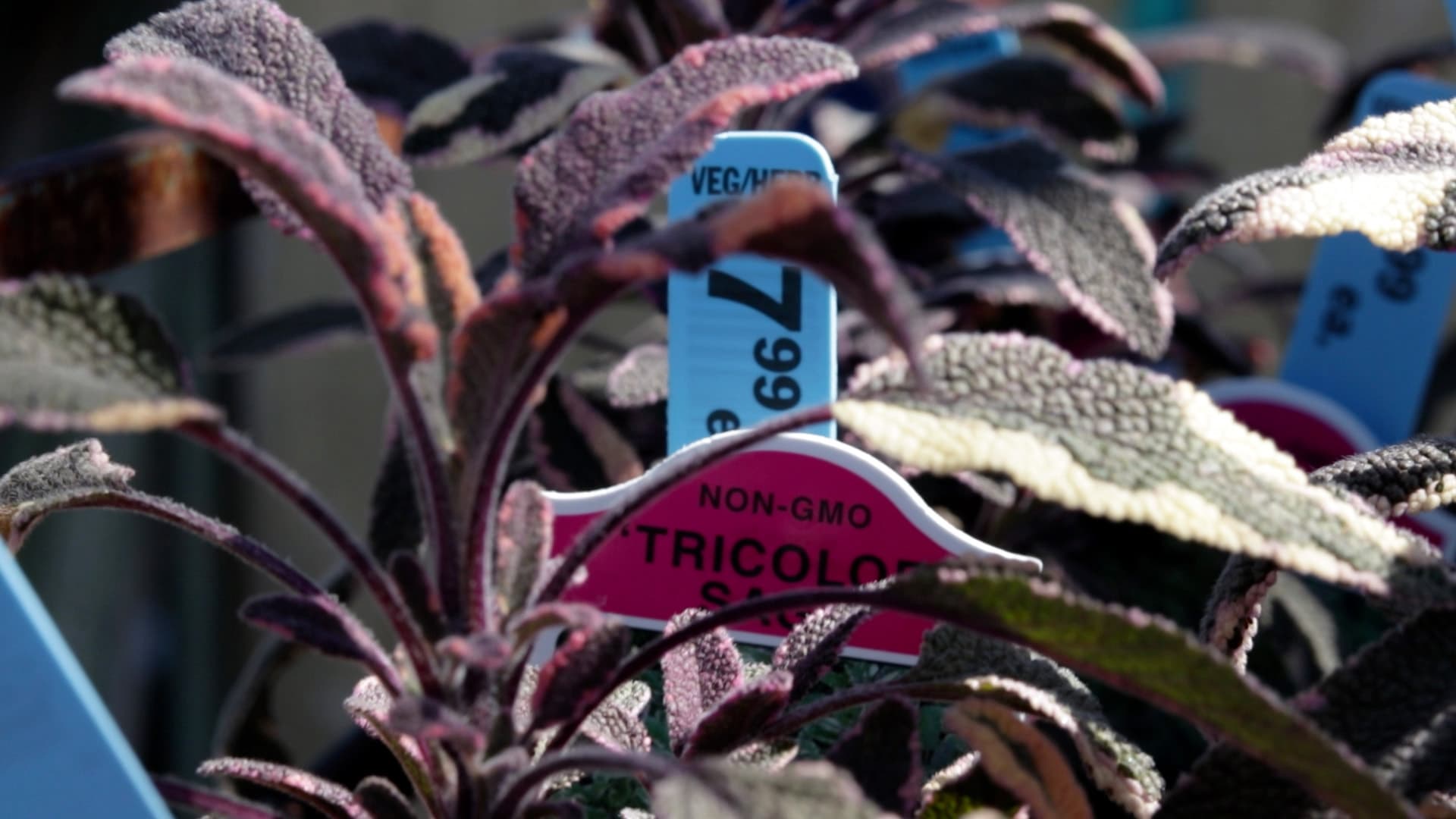
Tricolor Sage
Lamiaceae
Days
90d
Depth
0.125″
Apart
18″
Variegated cream/green/purple foliage. Decorative AND edible. Perennial, drought tolerant.
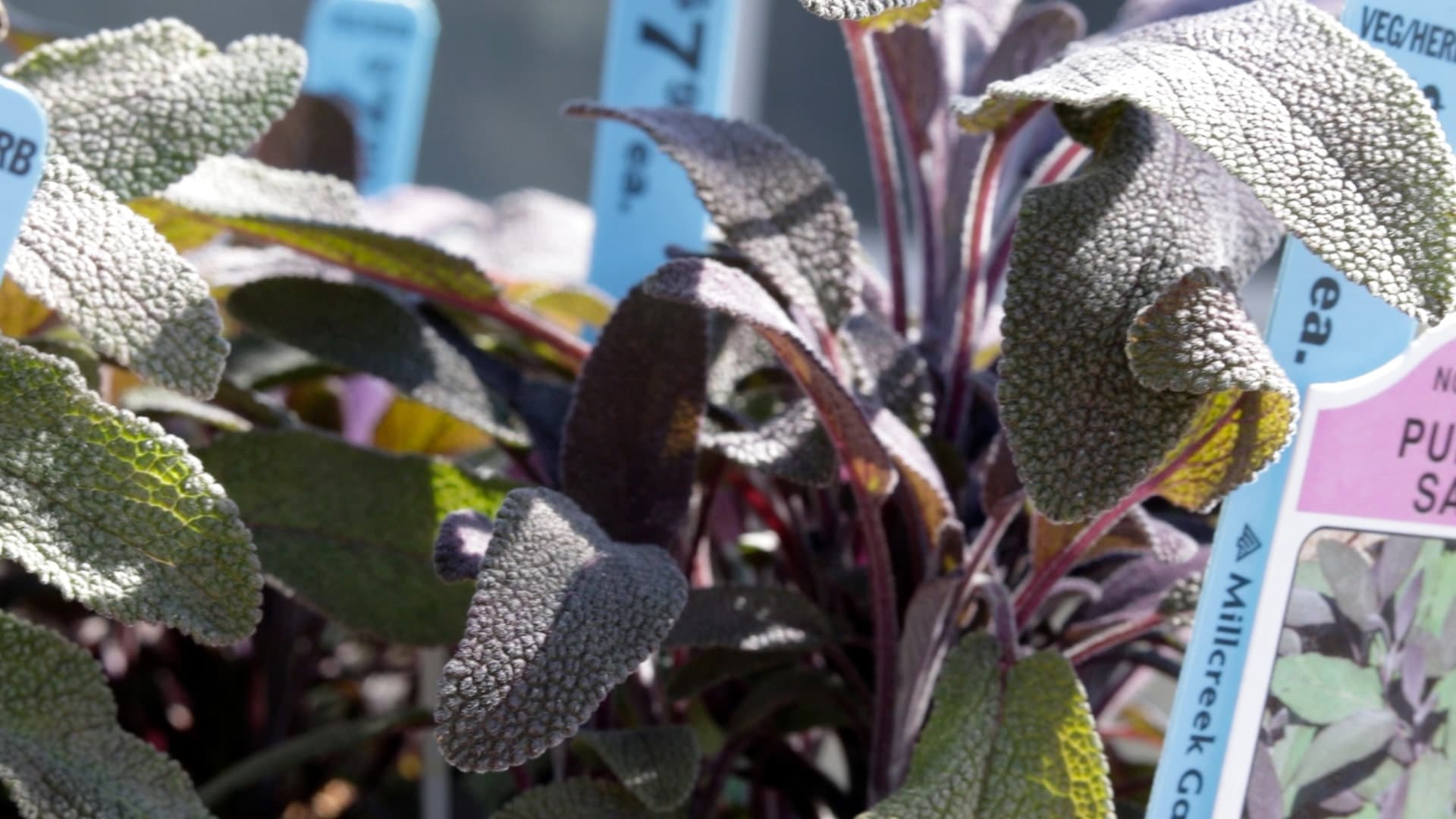
Purple Sage
Lamiaceae
Days
90d
Depth
0.125″
Apart
18″
Deep purple foliage all season. Same culinary use as common sage but striking in mixed planters.
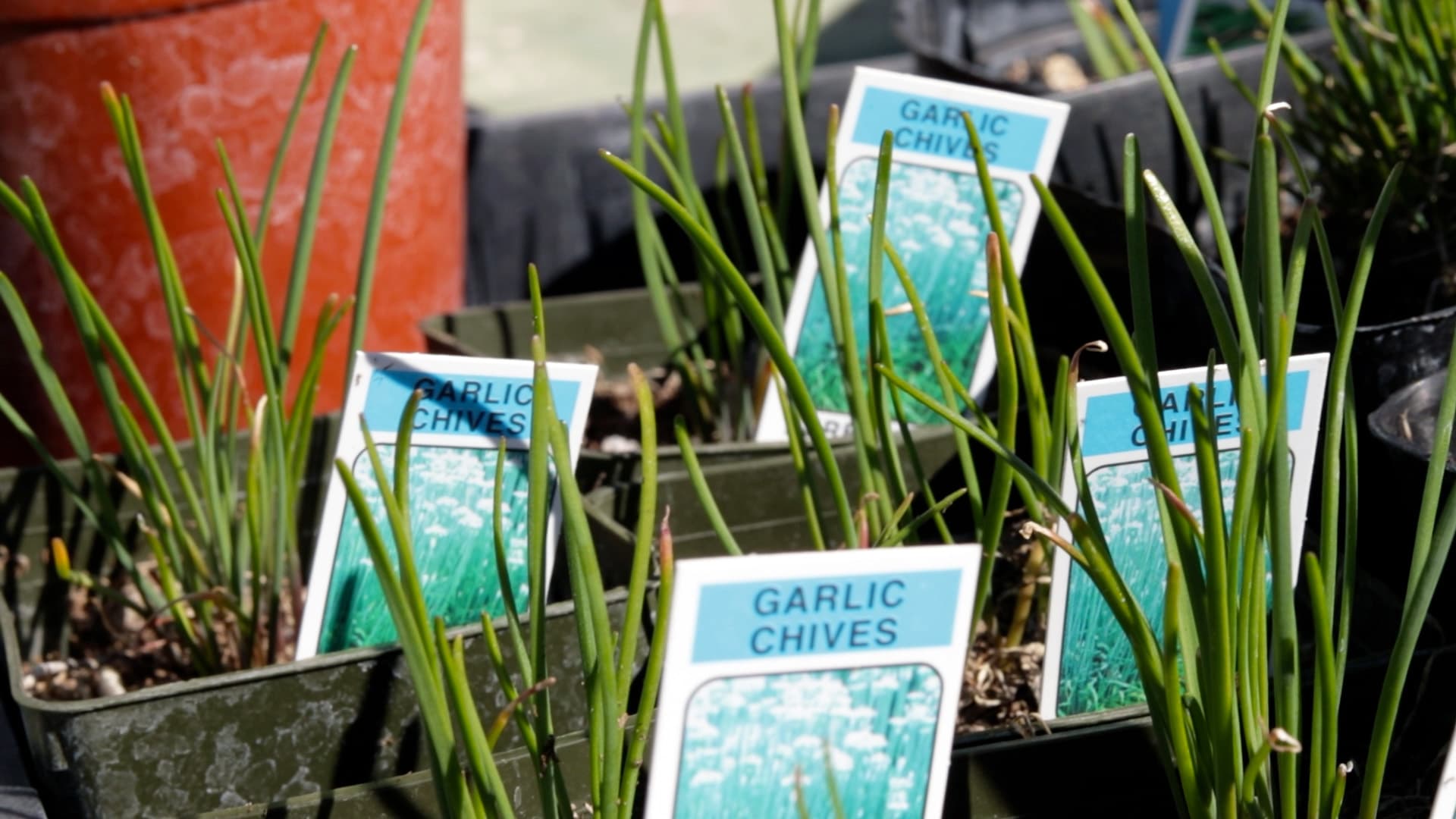
Garlic Chives
Amaryllidaceae
Days
90d
Depth
0.25″
Apart
8″
Flat-leaf chives with a mild garlic flavor. White flowers in late summer -- edible. Perennial.
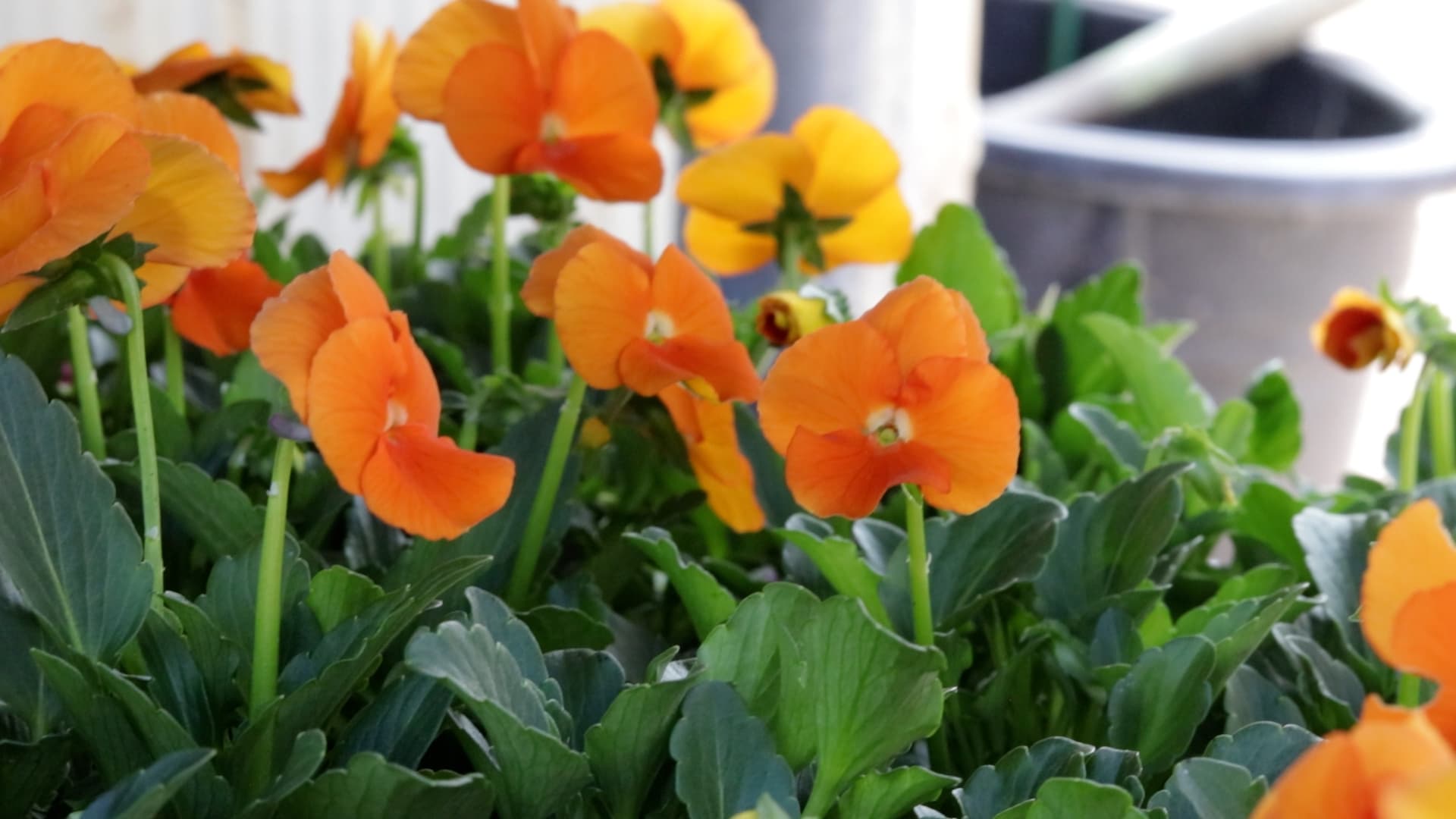
Pansy
Violaceae
Days
90d
Depth
0.0625″
Apart
6″
Cold-tolerant -- flowers through 28°F. Perfect for early spring planters and fall mums replacements.
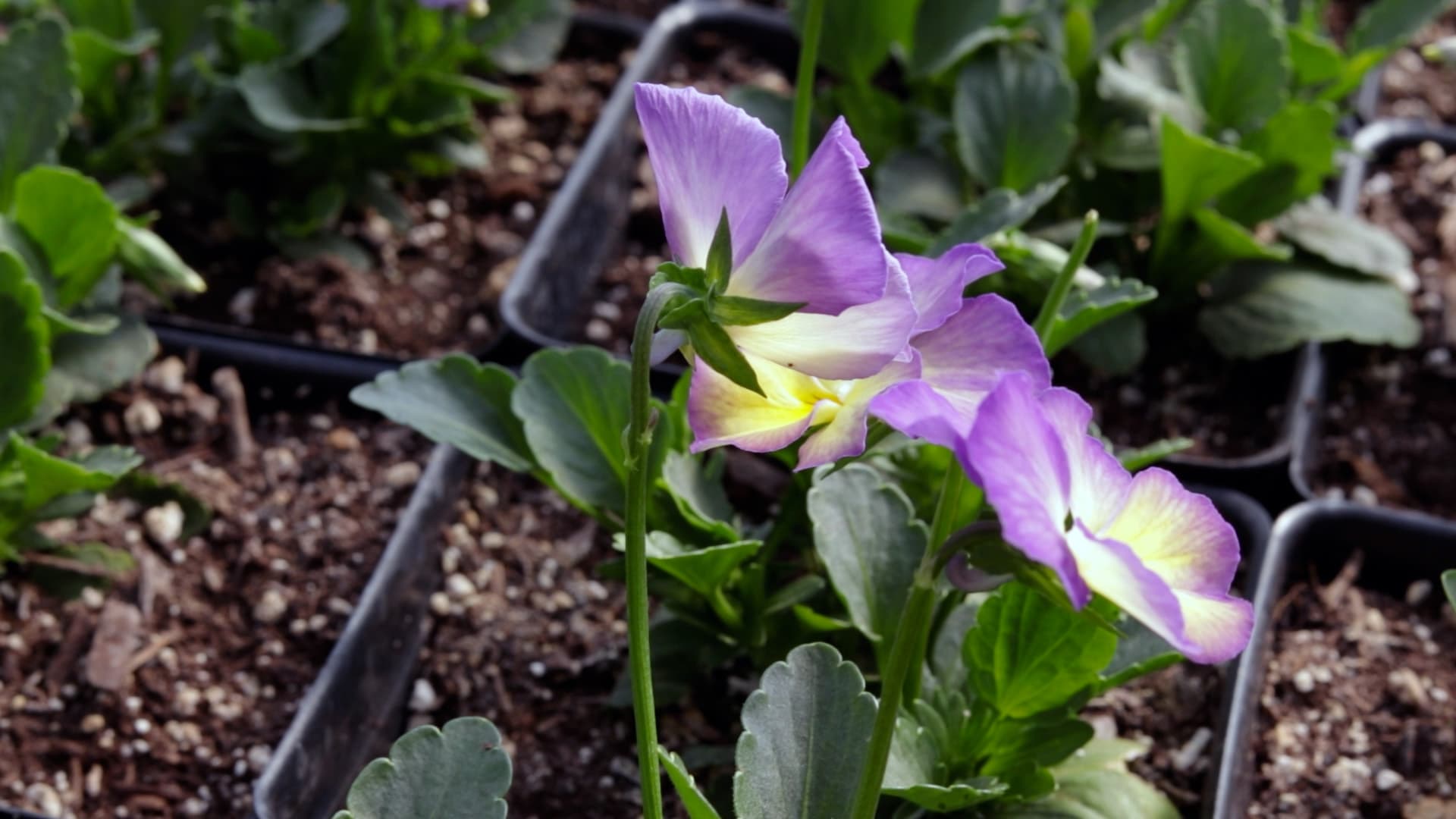
Horned Violet (Viola)
Violaceae
Days
80d
Depth
0.0625″
Apart
4″
Smaller flowers than pansy but more of them. Trails nicely from edges of containers.
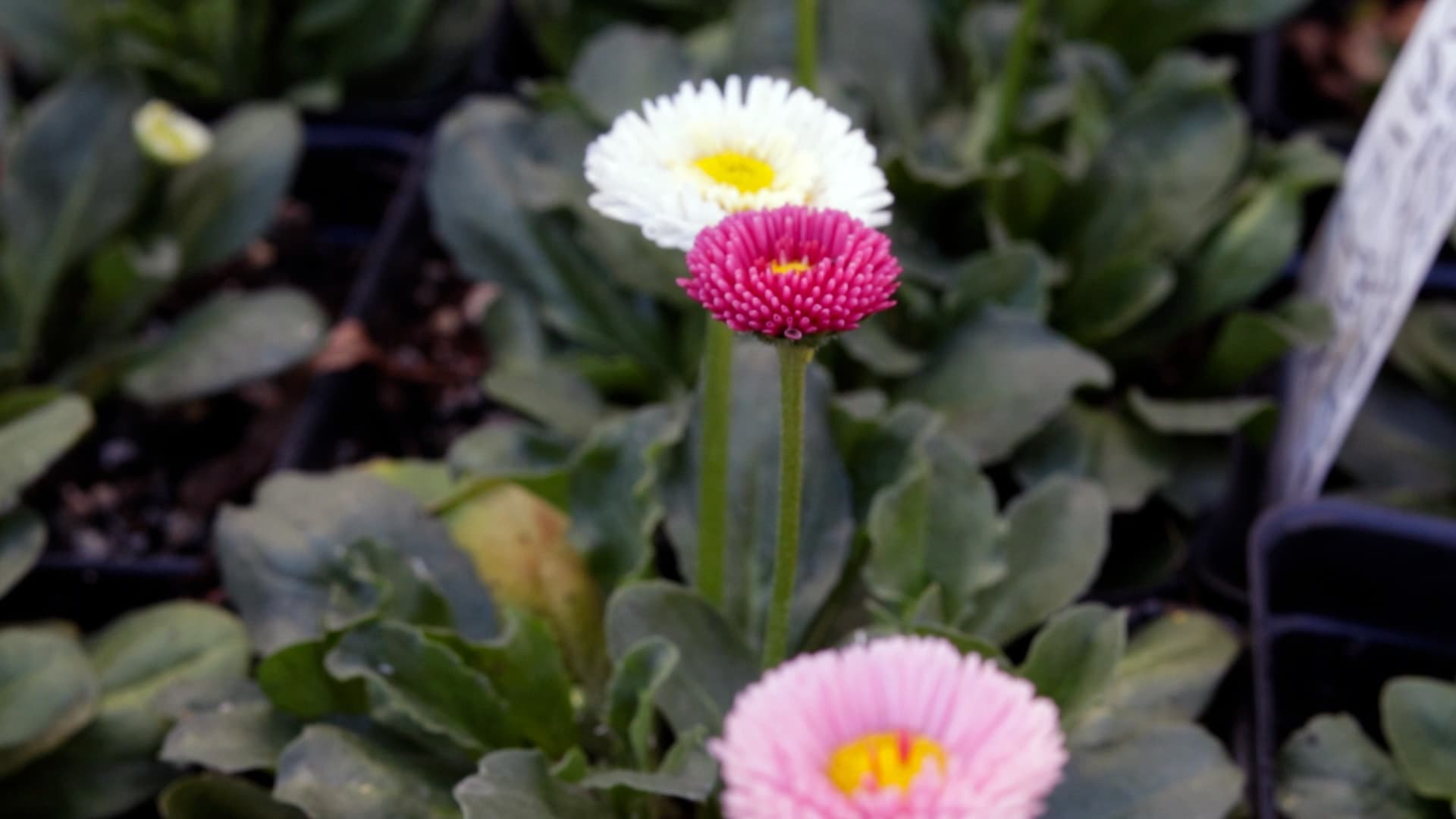
English Daisy
Asteraceae
Days
90d
Depth
0.0625″
Apart
6″
Tasso Mix -- pompom blooms in pink, red, white. Cold-hardy biennial; treat as cool-season annual here.
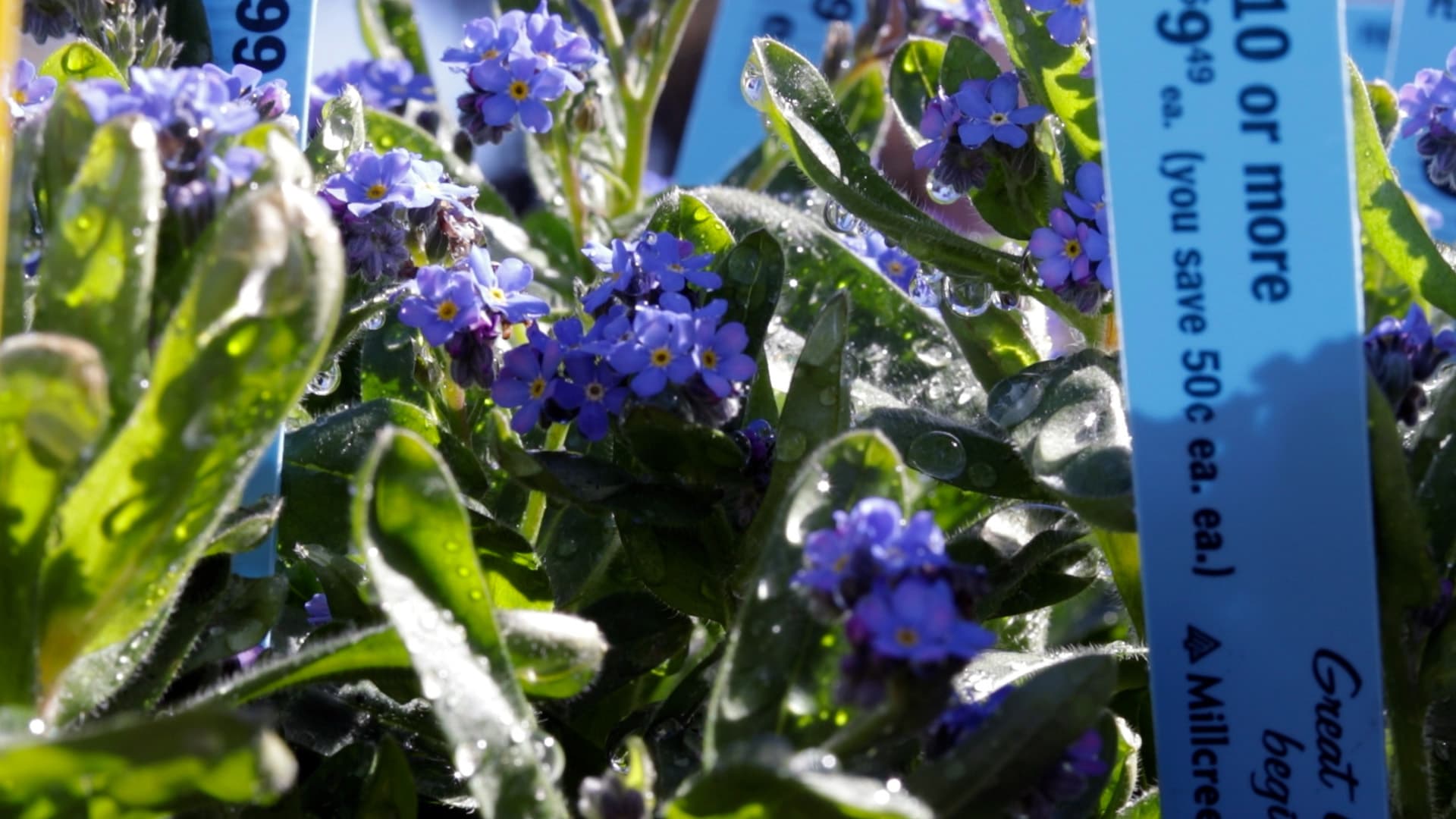
Forget-Me-Not
Boraginaceae
Days
75d
Depth
0.125″
Apart
8″
True blue is rare in flowers -- Bluesylva delivers it. Self-sows; you'll have it forever once established.
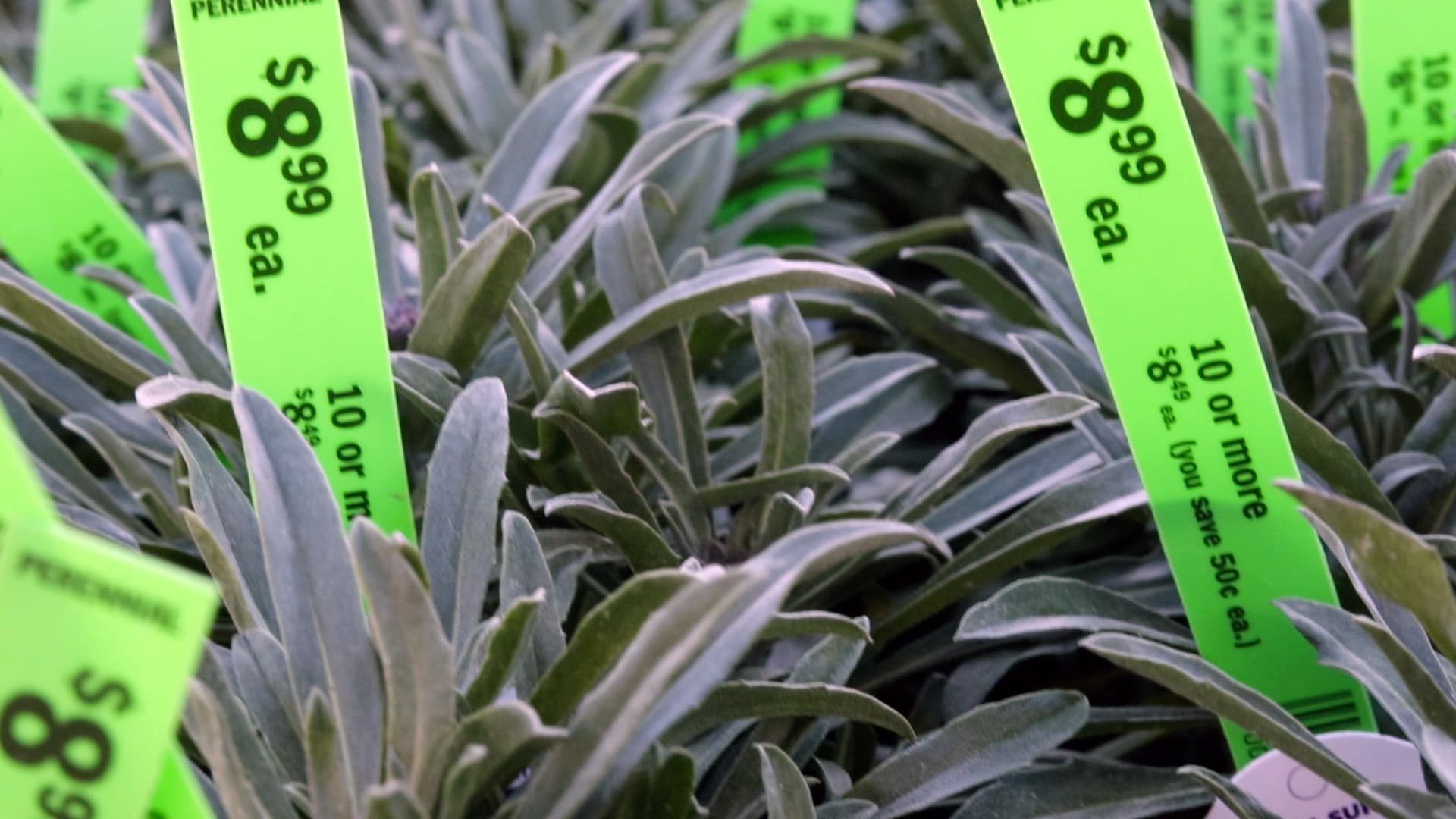
Wallflower (Bowles Mauve)
Brassicaceae
Days
100d
Depth
0.125″
Apart
12″
Tender perennial -- blooms spring to fall in mild winters. Sweet fragrance. Cottage-garden classic.
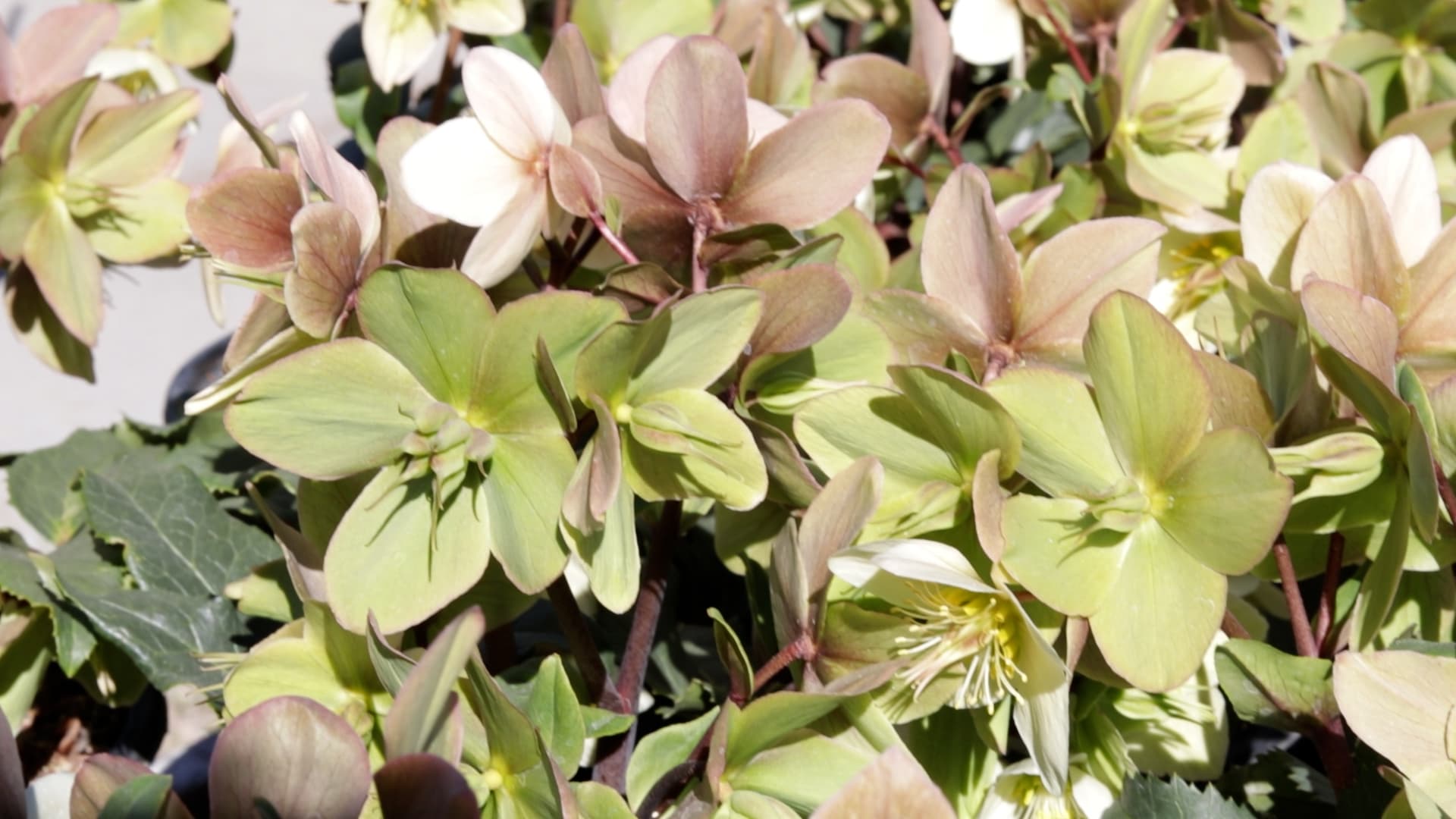
Hellebore (Lenten Rose)
Ranunculaceae
Days
365d
Depth
0.25″
Apart
18″
Blooms when nothing else does -- Feb through April. Evergreen. Deer ignore them. Slow to establish, lives 30+ years.
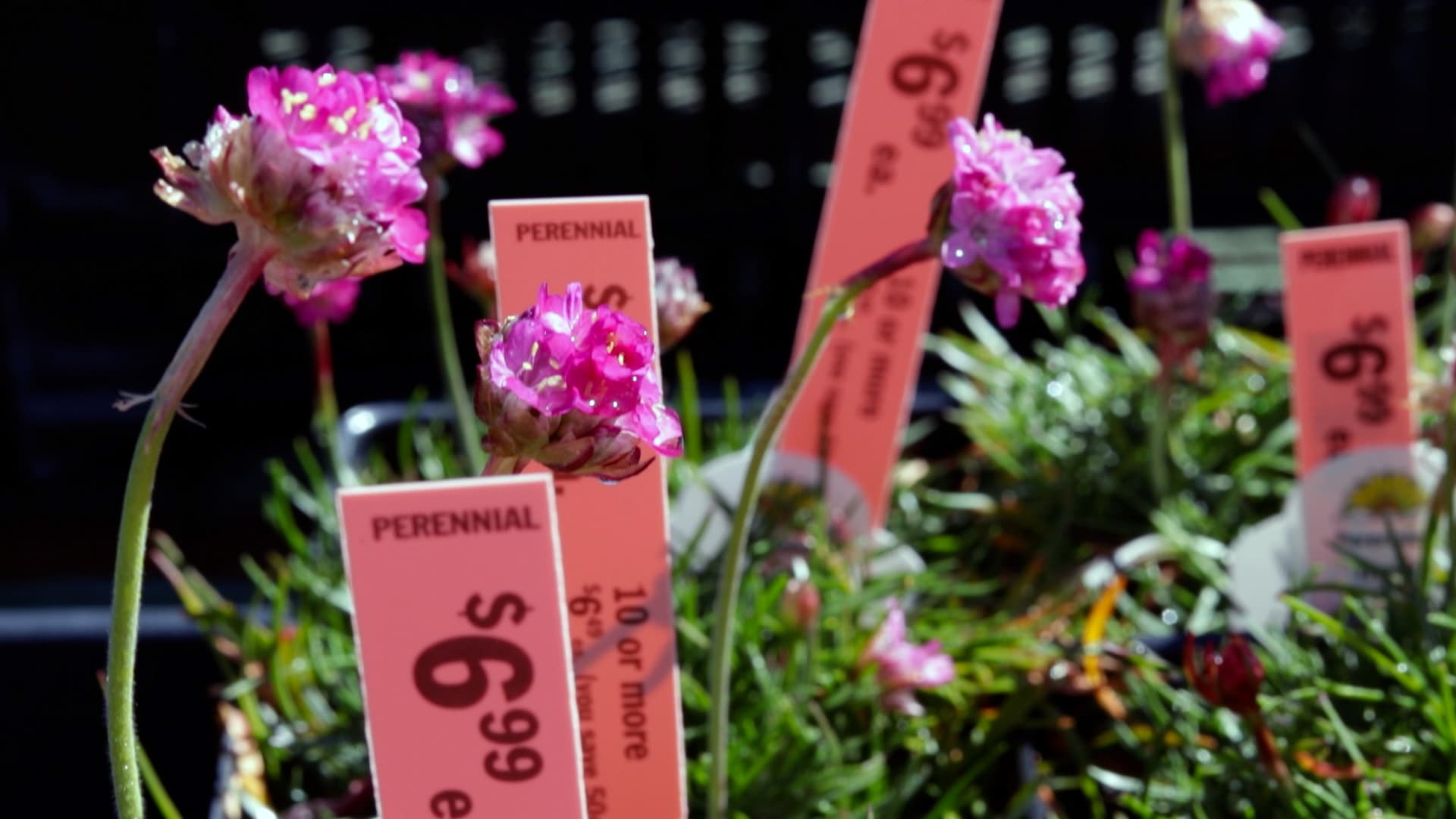
Thrift (Splendens)
Plumbaginaceae
Days
90d
Depth
0.0625″
Apart
8″
Cushion of grass-like foliage with pink pom-pom flowers. Drought-tolerant rock-garden perennial.
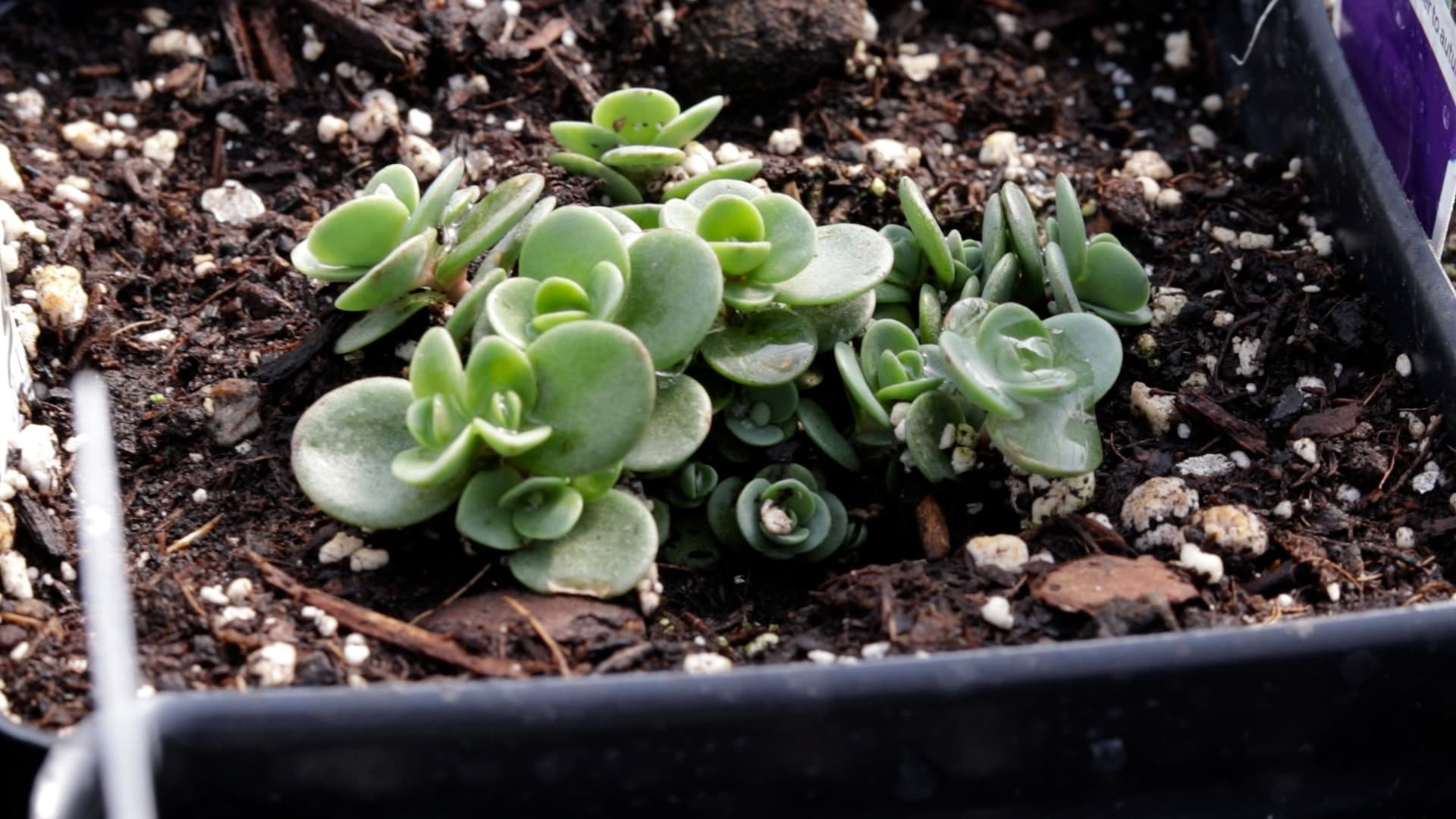
Stonecrop (Lime Zinger)
Crassulaceae
Days
100d
Depth
0.0625″
Apart
12″
Succulent perennial -- chartreuse leaves edged red. Drought-tolerant, deer-resistant. Pink flowers in fall.
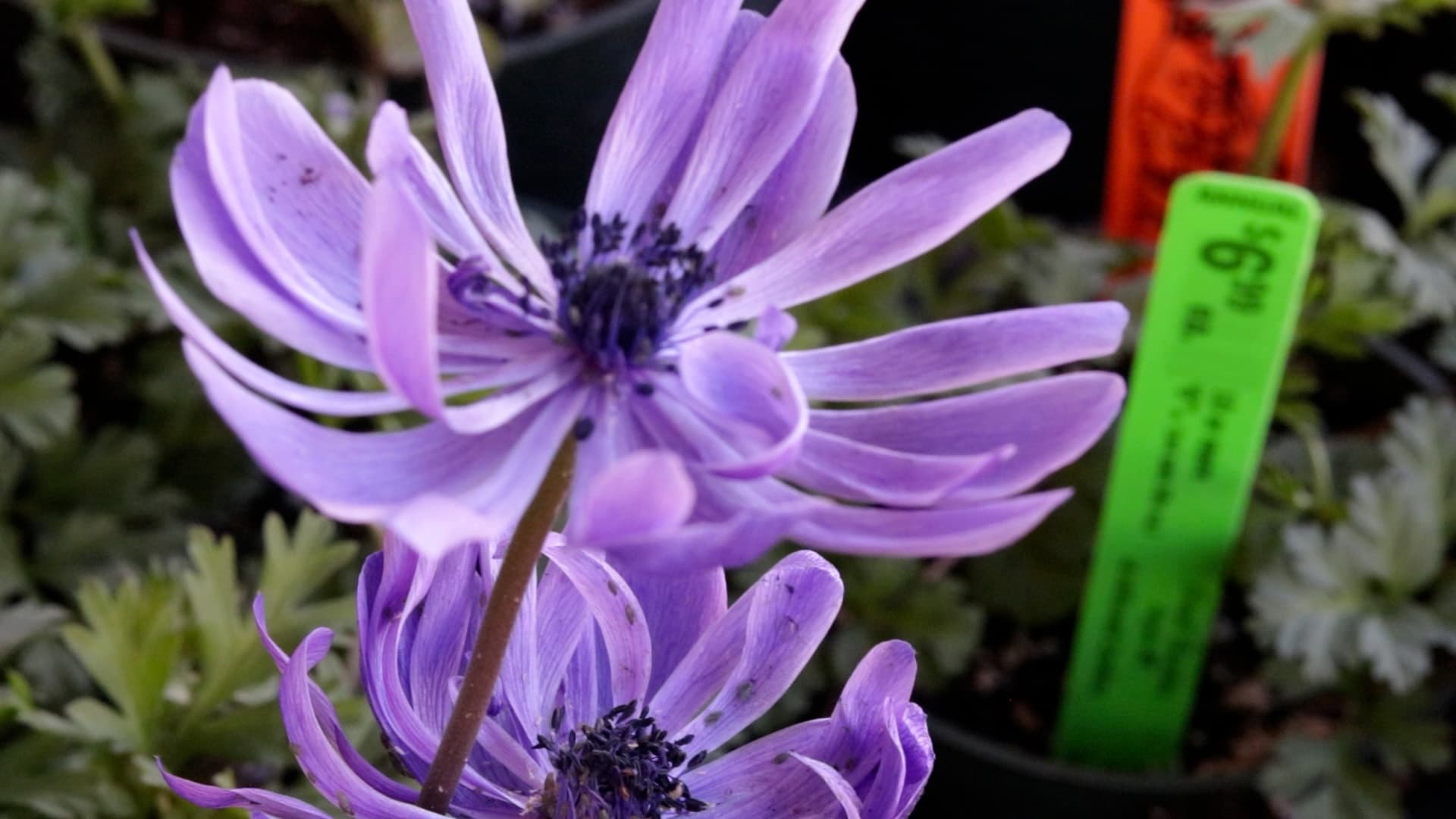
Anemone (Harmony)
Ranunculaceae
Days
100d
Depth
0.5″
Apart
6″
Plant corms in fall for spring bloom. Long-lasting cut flower. Soak corms 4 hours before planting.
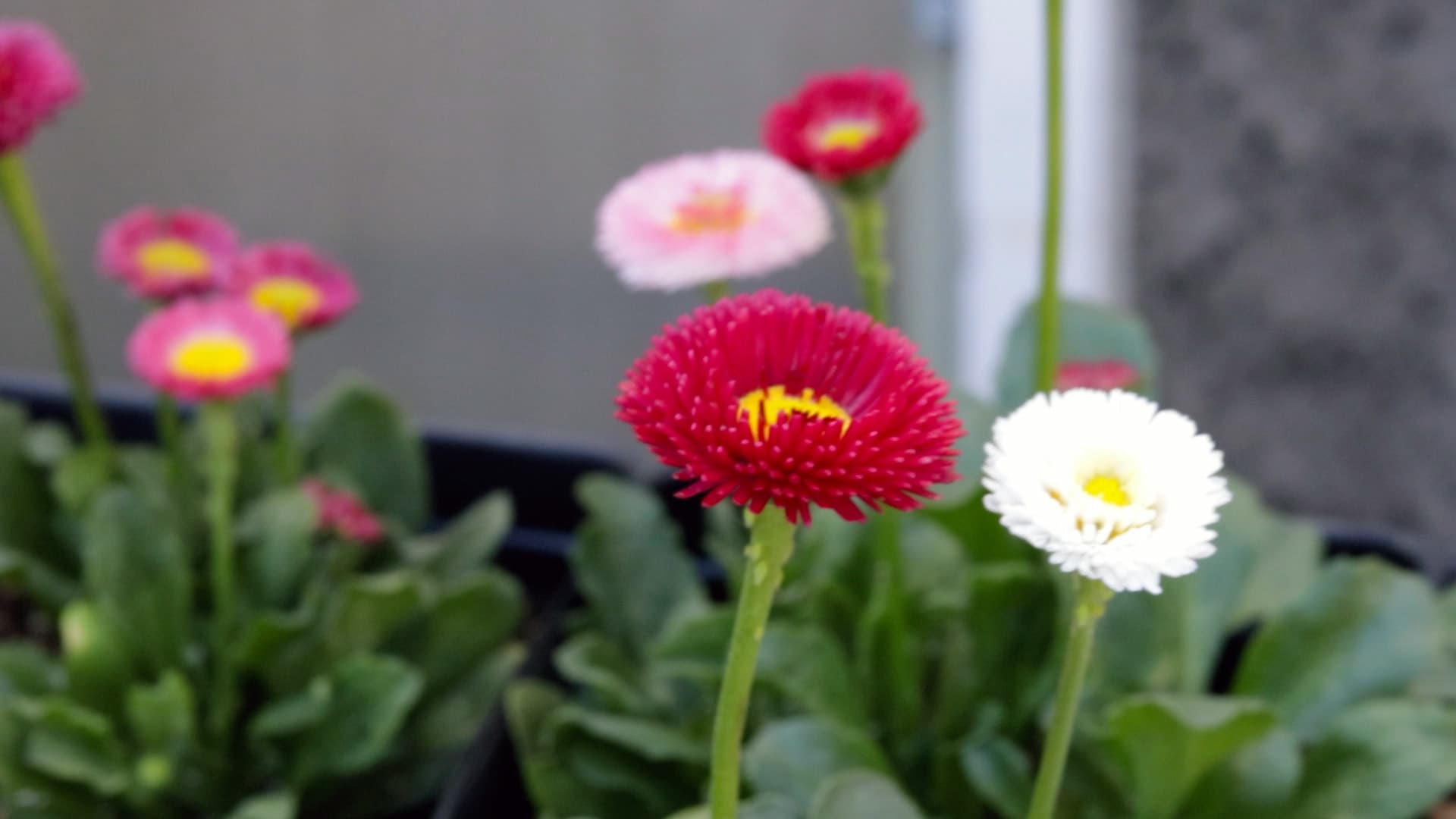
African Daisy (Harvest Moon)
Asteraceae
Days
75d
Depth
0.125″
Apart
10″
Osteospermum -- closes at night and on cloudy days. Heat- and drought-tolerant once established.
Sources:Johnny’s Selected Seeds·USU Extension·SUS Farms greenhouse logs, 2021–2025