Family History · January 7, 2025
Five Generations on Red Dirt: A Brief History of SUS Farms
From 1891 to now, one family's story
Five Generations on Red Dirt: A Brief History of SUS Farms
Most businesses have origin stories that start with a eureka moment or a clever pitch. SUS Farms doesn't. It started with survival.
Generation One: The Homestead (1891-1920)
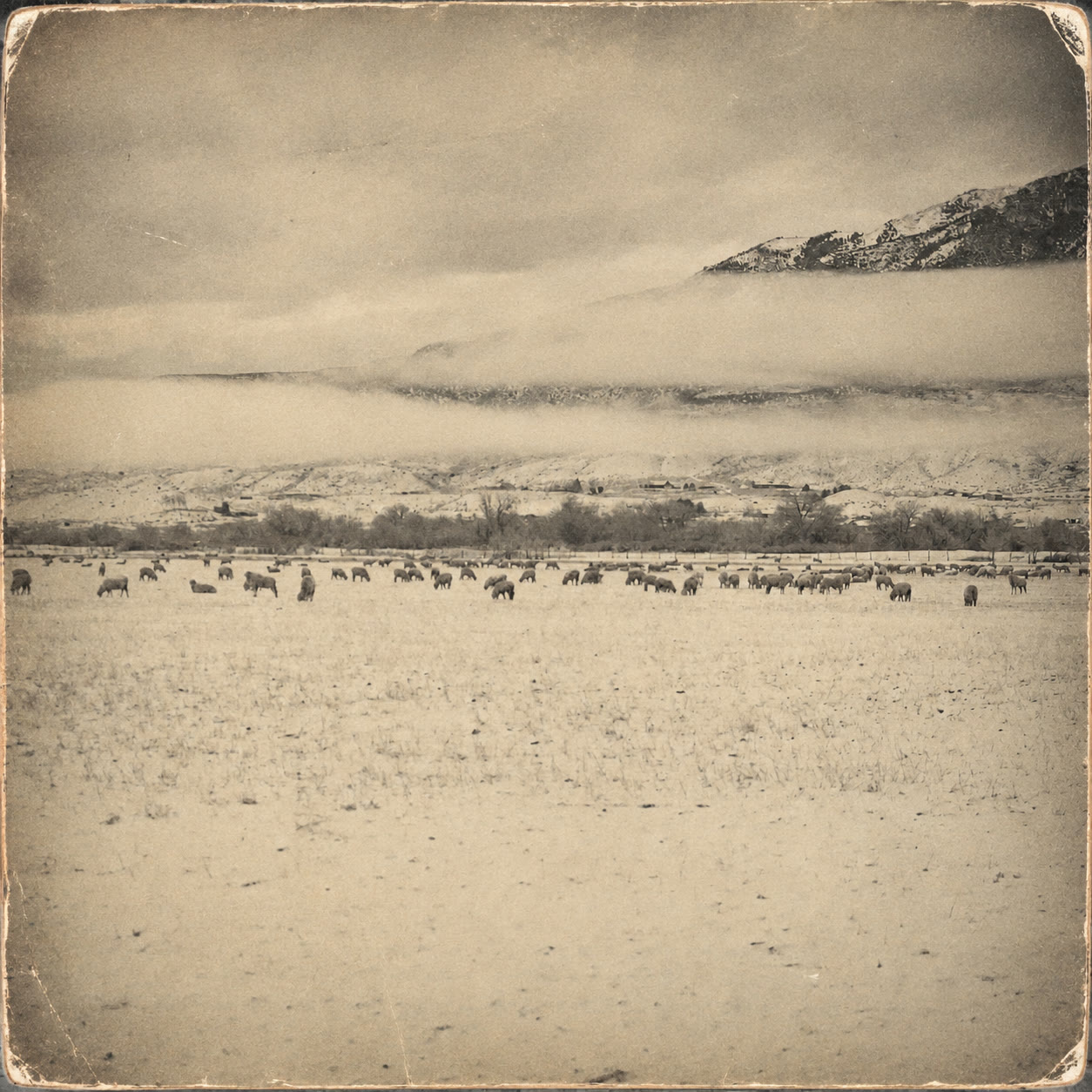
Our great-great-grandfather filed a claim on 160 acres of Sevier County land in 1891. It was red dirt, sagebrush, and hard work. There was no irrigation infrastructure, no established markets, no guarantee it would work.
But there was water from the Sevier River, south-facing slopes, and the stubborn determination of a man who decided this land was worth staying for. He built irrigation ditches by hand. He planted orchards--apples, cherries, peaches.
Generation Two: Expansion (1920-1950)
By the 1920s, the orchards were producing. The family had grown. The operation expanded: more irrigation lines, more acres, a small packing shed.
The Depression hit hard. Fruit was cheap. Labor was desperate. But the family had land and water--more valuable than currency when everyone's broke. They survived by diversifying: fruit, vegetables, livestock. Nothing was elegant, but everything was efficient.
Generation Three: Consolidation (1950-1980)
Post-war agriculture meant bigger equipment, better infrastructure, and chemicals. They modernized. The hand-dug ditches became lined channels. The small packing shed became a proper facility.
But something was lost too. Farming became industrial. Monoculture made sense economically. The orchards, the vegetable fields, the diverse operation--they specialized.
Generation Four: Reckoning (1980-2010)
By the 1990s, industrialized farming was squeezing margins. Bigger operations were undercutting prices. Chemical inputs were costly. The land was tired.
This generation asked hard questions: Do we expand and compete on volume? Do we sell the land and move on? Or do we do something different?
They chose different. They shifted toward specialty crops, reduced chemical dependency, and started building relationships directly with customers. It wasn't organic certification (that's expensive), but it was honest.
Generation Five: Now
We're here. Running a farm, a nursery, and a website. Still on the same red dirt. Still using water from the Sevier River. Still choosing diversity over specialization.
We grow what works for Utah. We share what we've learned. We don't pretend to be something we're not.
Five generations on the same land teaches you something: you're not separate from it. You're part of it. And if you want to stay, you have to work with it, not against it.