
Animal Stories · January 4, 2025
A Goat Birth Diary: Four Chapters of Chaos, Instinct, and New Life
What actually happens when your doe goes into labor
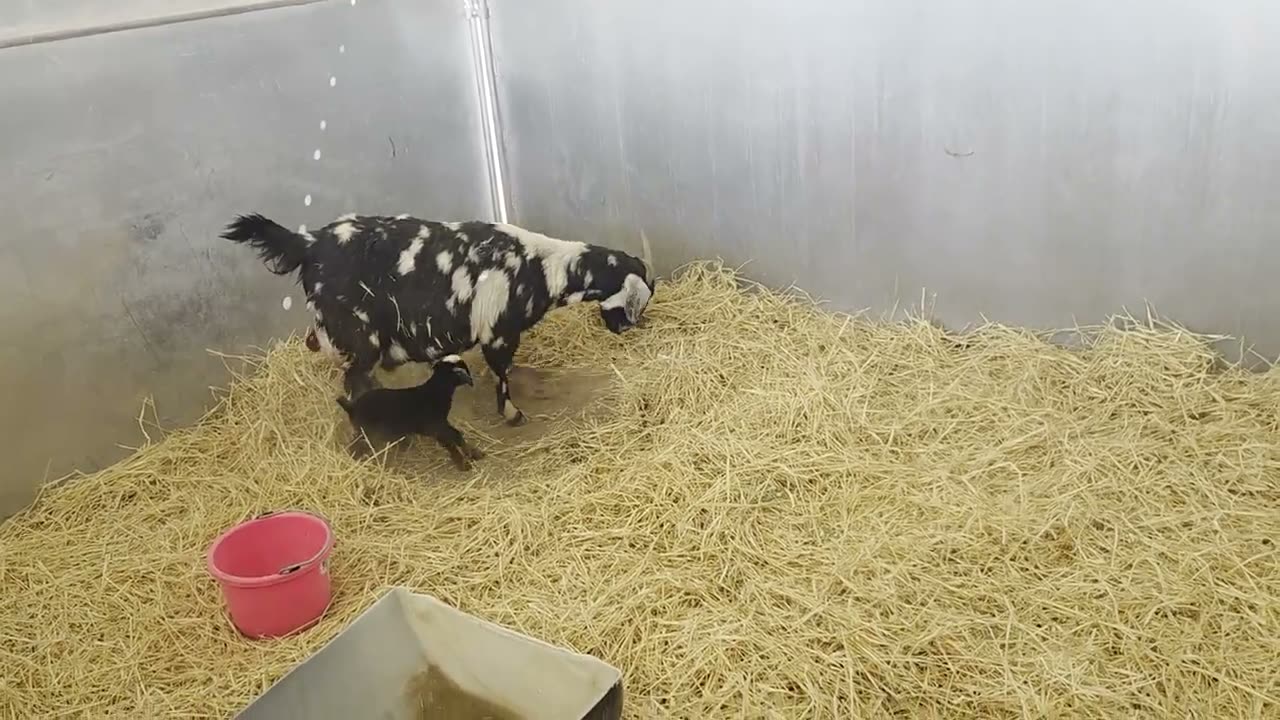
A Goat Birth Diary: Four Chapters of Chaos, Instinct, and New Life
Goat kidding season is organized chaos. It's 3 a.m. checks in the barn, midnight YouTube videos about dystocia, and the peculiar joy of watching a new life unfold in real time. This is one birth--from early labor to those first wobbly steps.
Chapter 1: The Signs (36 Hours Before)
You've read the descriptions. "Doe will seem restless." "She may refuse feed." These are accurate but weirdly understated. Restless doesn't capture the pacing, the bleating, the way she'll lie down, get up, lie down again within 60 seconds.
Our doe, Bonnie, was a wreck. She'd been pregnant for 150 days, and her body was ready to be done. Her ligaments went soft. Her udder filled and felt uncomfortably swollen. Her tail flagged up in that unnatural way that means hormones are doing their job.
We set up a kidding stall (clean bedding, heat lamp, monitoring cameras, and more supplies than seemed necessary) and waited. This is the hardest part--the not-knowing. First-time moms are unpredictable. Is she going tonight? Tomorrow? Next week?
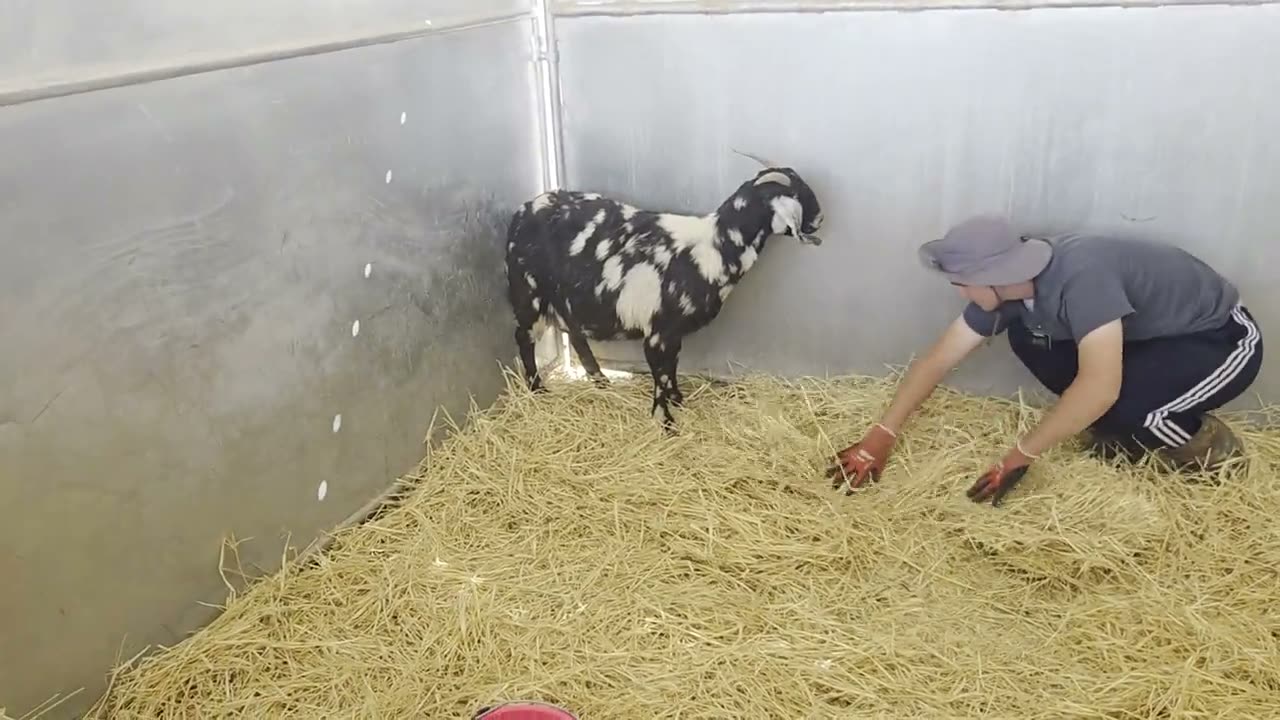
Chapter 2: The Pushing Phase (2-3 Hours)
At 4 a.m., we saw it: Bonnie's tail was up, her spine arched, and she was pushing. Real, rhythmic contractions. The kind where you look at the clock and think, "This is it."
She'd been eating hay normally six hours earlier. Now she was focused entirely inward, working with her body to push her kids into the world. There's something both beautiful and a little terrifying about watching an animal work that hard.
We stayed in the stall. Goat births are usually straightforward, but complications happen fast. If a kid is turned wrong or isn't positioned right, you need to intervene--or call the vet if it's beyond your skill level. We've done a few, so we watched and waited.
Twenty minutes of pushing. Thirty. Then, suddenly, a kid. Wet, slimy, gasping its first breaths. Pure relief.
Chapter 3: The Placenta and Bonding (Next 30 Minutes)
Once the first kid hits the ground, mama's instincts fully activate. Bonnie was licking frantically--cleaning, stimulating breathing, checking if this thing was hers. Spoiler: it was.
She delivered the placenta (hopefully whole, hopefully with no complications). We checked it--no torn membranes, good color, looks healthy. One crisis averted.
But there was still pushing. A second kid. This one came faster--maybe 10 minutes of work. Then a third. Three kids total, all vigorous, all bleating indignantly at the world.
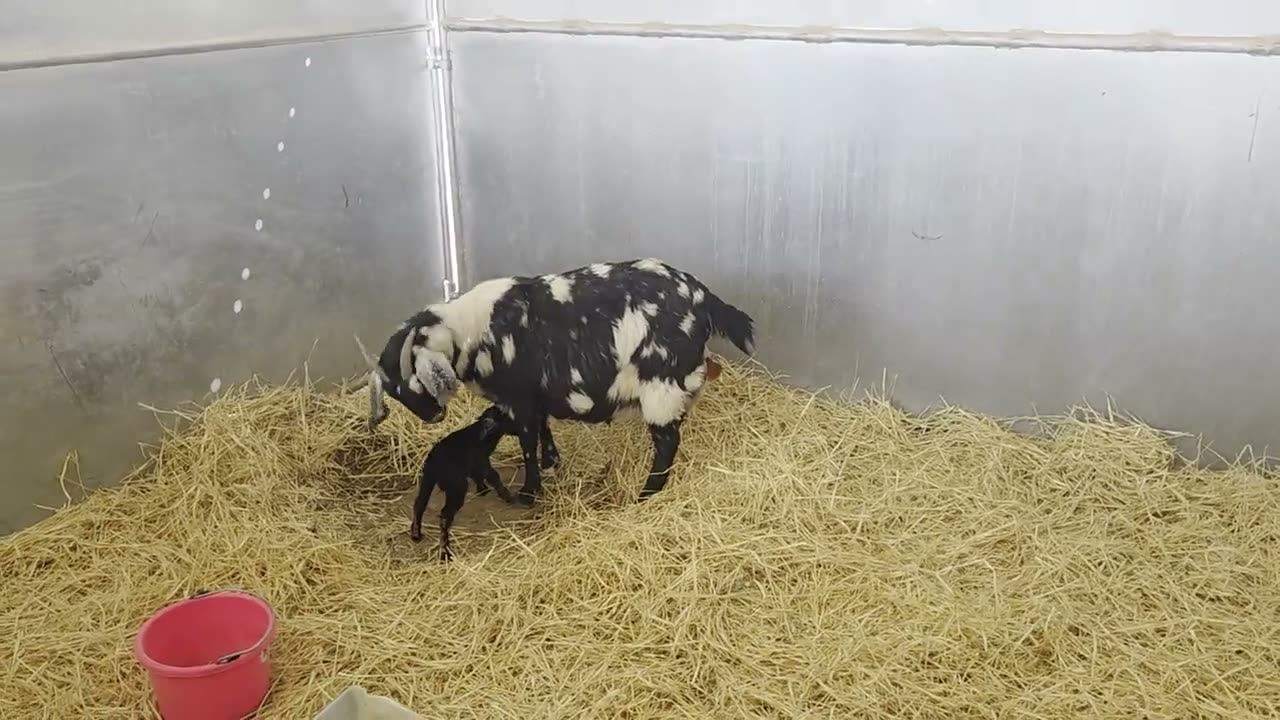
Chapter 4: The Dry-Off and First Feed (Next 1-2 Hours)
Three wet kids can't thermoregulate well. In a cold barn, that's dangerous. We stayed to ensure they dried off quickly, that Bonnie colostrum came in (it did), and that all three kids got at least one decent feed within the first two hours.
The kids were determined. Bleating, staggering around on legs that clearly weren't calibrated yet, searching for the udder. By the time we left, all three had nursed and were dozing contentedly.
Bonnie--exhausted, triumphant, already protective--settled in to rest. We checked on them hourly for the next 24 hours, looking for any sign of trouble.
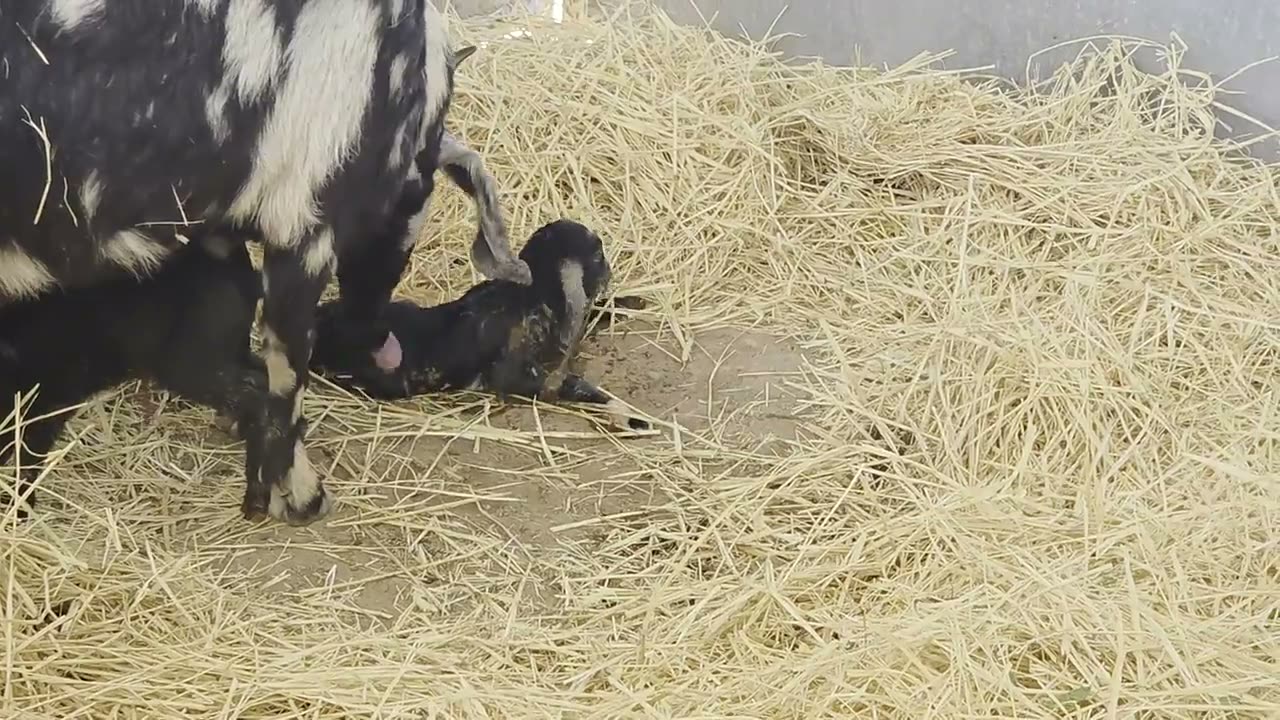
The Aftermath
Kidding season is exhausting. It's stressful and messy and sometimes heartbreaking when things go wrong. But it's also one of the most primal, honest things we do on the farm.
Three kids from one birth is rare enough to celebrate. By week one, they'll be jumping and playing. By eight weeks, we'll start thinking about which ones to keep and which to sell. For now, they're just proof that Bonnie knew what she was doing all along.
Nature is wildly competent. You just have to get out of the way.