
Field Notes · January 23, 2025
The Math of Growing Tomatoes For a Living
Why your grocery store tomatoes cost $3 a pound
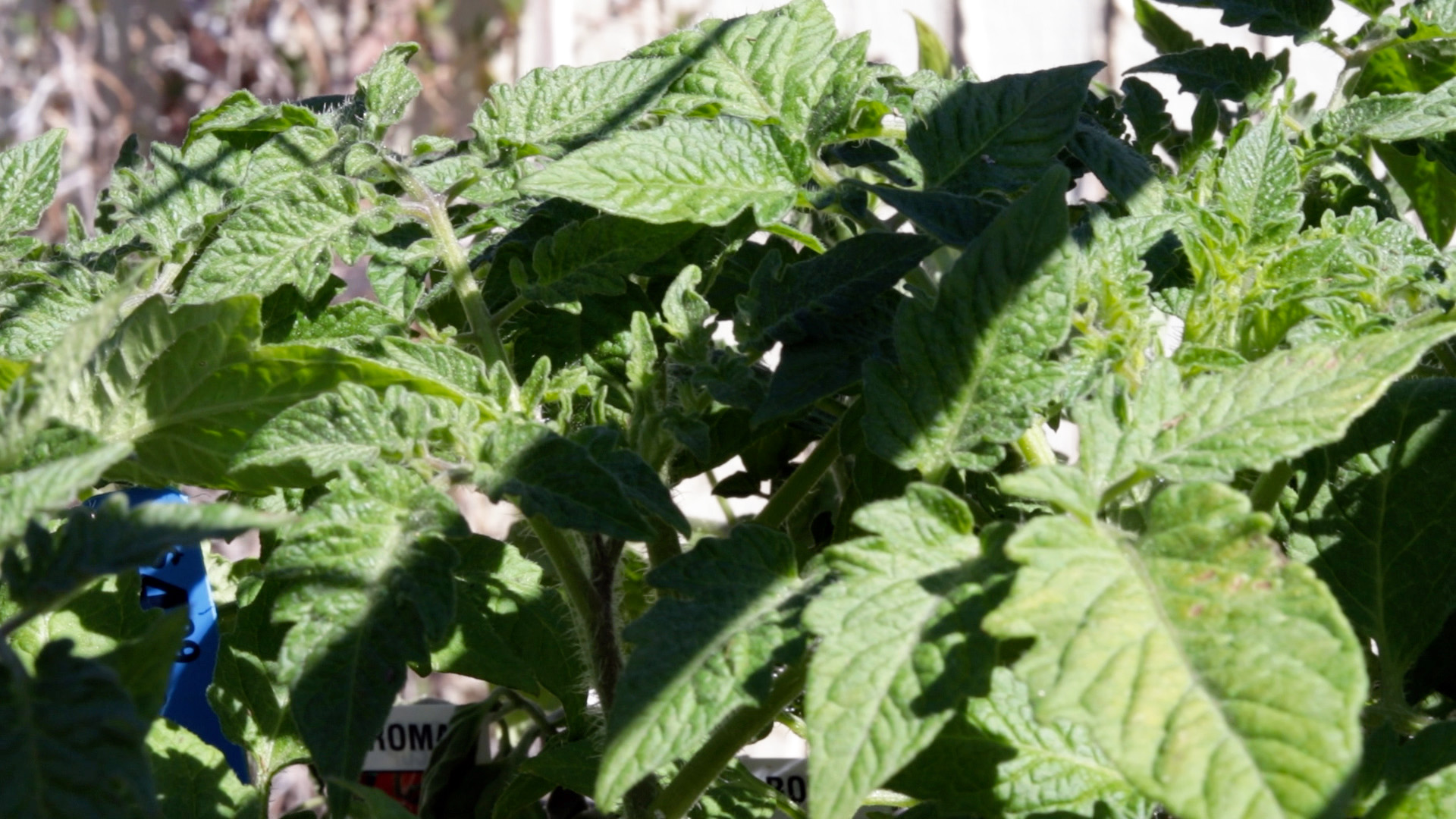
The Math of Growing Tomatoes For a Living
Everyone thinks they could farm if they wanted to. Grow their own food. Make money on it.
Then they do the math.
Seeds and Supplies
One pack of tomato seeds: $3. Yields maybe 50 plants. Cost per plant: 6 cents. Soil, pots, greenhouse space, labels, fungicide, fertilizer, stakes, twine. Add another dollar per plant when you do the math.
One plant, in the ground, ready to fruit: $1.06.
Water and Utilities
Greenhouse heating in March: $40/week. Evaporative cooler in July: $50/week. Water: $0.02 per gallon for us (we're lucky). Over a season, one plant in a greenhouse will drink maybe 30 gallons. That's $0.60 in water alone.
So: $1.66 per plant before it produces anything.
Labor
Watering, weeding, staking, pruning, pest management, harvesting. If you pay yourself minimum wage ($7.25/hour in Utah), and one plant takes 5 hours of labor over a season, that's $36.25 per plant.
Total cost: ~$38 per plant.
The Yield
One plant produces maybe 10-15 ripe tomatoes over a season. Let's say 12. Each tomato, at farmers market prices, sells for $2-3. Let's say $2.50.
Revenue: $30. Cost: $38. Profit: -$8.
How Industrial Farms Make Money
They don't hand-stake each plant. They use automation. Robots. Fewer workers. They accept 30% loss to disease and bugs. They spray chemicals to reduce labor.
And they sell for $0.79 a pound to supermarkets, who mark it up to $2.49. They're profitable on volume. We're profitable on pride.
So when someone complains that our tomatoes are expensive: they're not. They're priced honestly. The supermarket tomatoes aren't cheap. We just can't afford to lose money like that.
Grow your own tomatoes. Read our tomato guide for Utah varieties.