
Grow Guides · January 3, 2025
Strawberries and Utah's Alkaline Soil: A Love Story
How to make strawberries thrive in high-pH soil
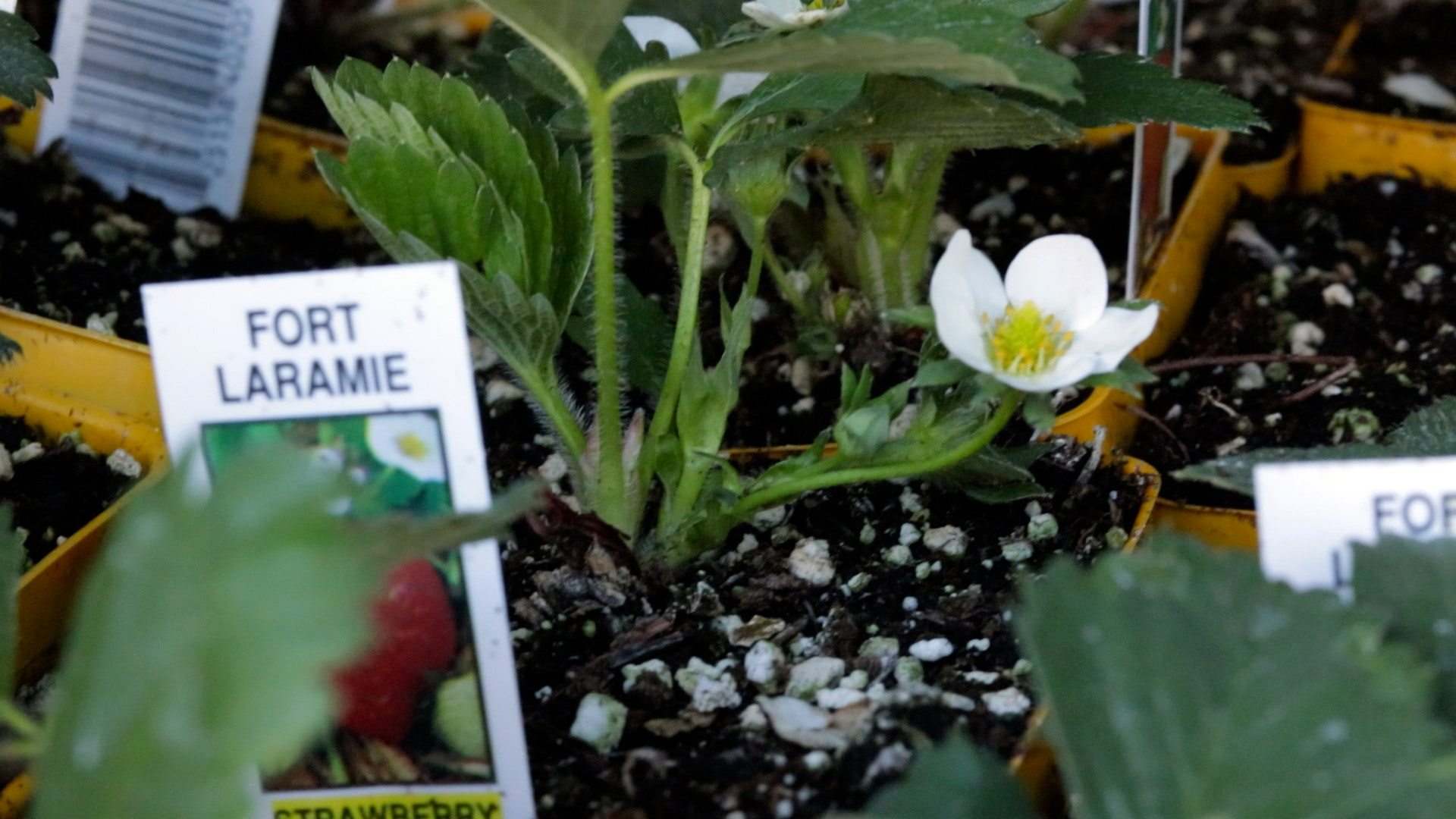
Strawberries and Utah's Alkaline Soil: A Love Story
Here's a conversation we have roughly once a week: "My strawberries look terrible. The leaves are yellow. The berries are small. What am I doing wrong?" Answer: "You're probably fighting Utah soil."
Utah's soil pH typically ranges from 7.5-8.5 (alkaline). Strawberries prefer 5.8-6.8 (acidic). When pH is too high, strawberries can't absorb micronutrients--iron, zinc, manganese--that they need. Result: chlorosis (yellow leaves), weak plants, small fruit.
But here's the good news: it's solvable. You don't need to replace all your soil or give up on strawberries. You need sulfur.
Testing Your Soil pH
Before you do anything, know what you're working with. Buy a cheap soil pH meter at any garden center (≈$15) or get a proper test through your local USU Extension office.
Don't guess. Strawberries are too sensitive, and over-correcting with sulfur has consequences.
Sulfur: Your Secret Weapon
Elemental sulfur lowers soil pH naturally and slowly. The microbes in your soil convert it to sulfuric acid, which acidifies the soil without the dramatic crashes you get from other amendments.
Application rate depends on your soil texture and current pH, but a rough rule: add 1-2 pounds per 100 square feet for each 1.0 pH point drop you want. Mix it into the top 6-8 inches of soil.
The Quick Fix: Containers
If sulfur seems like too much work, grow strawberries in containers. Use an acidic potting mix (not garden soil--that'll bring the pH problem with you) and you're golden. Plus, containers warm up faster in spring, extending your season.
Hanging baskets are especially nice. They look good, keep berries off the ground (hello, slugs!), and make picking a breeze.
Variety Selection Matters
Some strawberry varieties are more pH-tolerant than others. Earliglow, Honeoye, and Fragaria are more forgiving. Avoid sensitive varieties like Ozark Beauty in high-pH soil unless you've already adjusted pH.
Ongoing Care
Once you've gotten pH under control, strawberry care is straightforward. Plant in spring, remove runners (unless you want new plants), and remove flowers the first year to encourage root development.
Replace plants every 3-4 years as productivity declines. Mulch heavily to retain moisture and regulate soil temperature.
For detailed soil testing and amendment protocols, consult the USU extension office.
Utah State University Cooperative Extension — Dr. Dan Drost (2022)
Utah strawberries are entirely possible. It takes a bit of prep work, but the result--fresh, red, sun-warmed strawberries in June--makes it worth every ounce of effort.