Animal Stories · January 2, 2025
What Our Goats Eat (And What They Definitely Don't)
A practical guide to goat nutrition and toxic plants
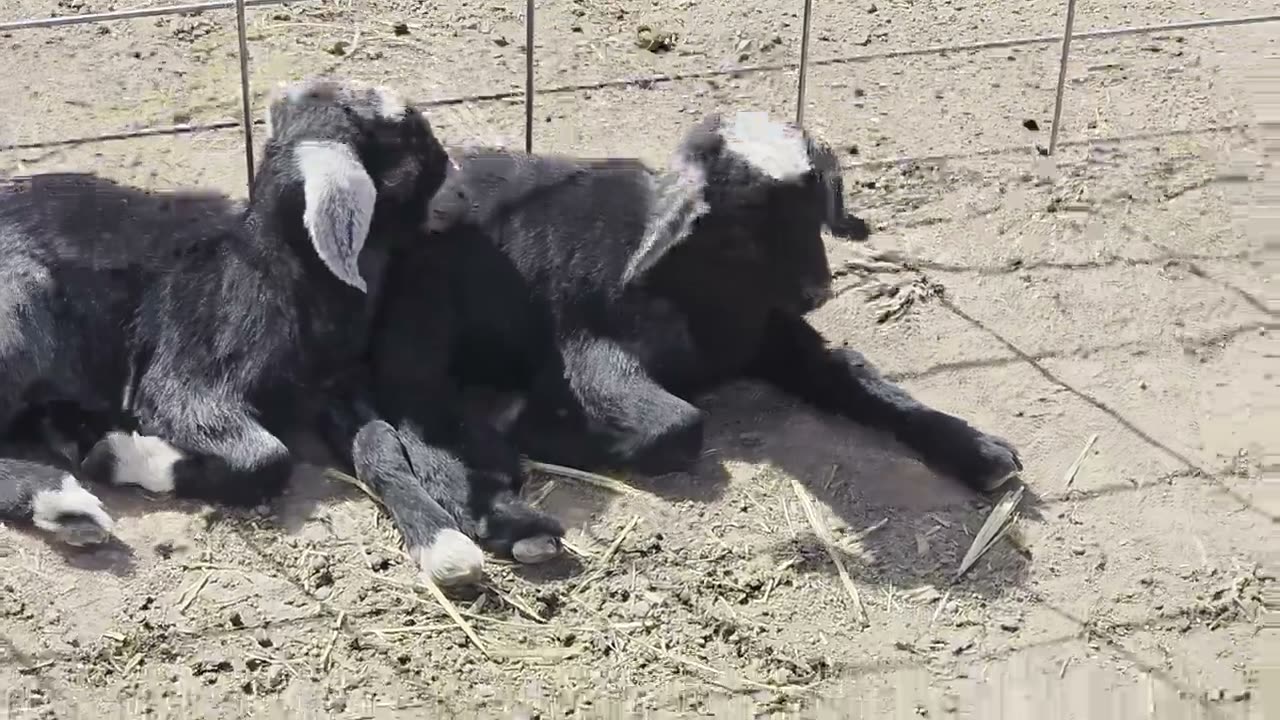
What Our Goats Eat (And What They Definitely Don't)
Every time we get goats, people ask: "You can just throw them anything, right? I heard goats eat tin cans." This is the most persistent farm myth. Goats are exploratory--they nibble everything to test it. But they're not trash disposals. They're picky eaters with strong preferences and critical dislikes.
Some of those dislikes are deadly.
What Our Goats Eat: The Staples
Goats are browsers, not grazers. They prefer woody plants, leaves, and shrubs over grass. They eat browse during the day and hay in winter. Our daily routine:
"¢ Morning: they browse pasture scrub--oak leaves, willow, thistle, anything fibrous.
"¢ Midday: grain supplement (we use a dairy goat pellet, 1-2 lbs per doe).
"¢ Evening: quality hay (alfalfa or grass mix), fresh water.
Goats also eat kitchen scraps--vegetable trimmings, apple pieces, squash--but only if they're not moldy. They're suspicious of processed food.
What They Don't Eat (And Why)
Mold & Spoilage
Goats refuse moldy feed. They have sensitive digestive systems. Moldy hay can cause respiratory issues and mycotoxin poisoning. We store all hay under cover, dry.
Grain Toxins
We buy from trusted suppliers. Contaminated grain can contain aflatoxins. Once you poison a goat with bad grain, you've learned the hard way.
Toxic Plants (The Serious List)
These plants will kill a goat. Not "make them sick." Kill them. We identify and remove these from our pastures and around barns.
Rhododendron and Azalea -- toxic leaves cause mouth irritation, vomiting, drooling, diarrhea, weakness. Death is possible. We had a goat eat two azalea leaves once; we monitored her for 48 hours.
Yew -- one of the most toxic plants. A small amount of leaves causes sudden death (cardiac arrest). If you have yew landscaping, remove it before goats. No question.
Oleander -- every part is toxic. Causes heart problems, drooling, abdominal pain. Keep far from pasture.
Black Cherry -- leaves, bark, seeds contain cyanogenic glycosides. Wilting leaves are especially dangerous (more toxin concentration). Never let goats browse cherry trees.
Avocado -- toxic compound is persin. Causes vomiting, diarrhea, heart damage. Keep livestock away entirely.
This list is not exhaustive. Many plants native to Utah, including some common ornamentals, are toxic to goats at varying doses. When in doubt, research before assuming a plant is safe.
Utah State University Extension--Toxic Plants for Livestock — Dr. Heidi Kratsch (2024)
Plants to Avoid But Aren't Immediately Lethal
Lupine -- goats eat lupine, but it has toxins. We limit access during spring when seeds are developing.
Milkweed -- similar situation. Nutritious but with alkaloid compounds. Safe in small amounts.
Nightshades (potato, tomato, eggplant foliage) -- the green parts are toxic. Never feed goat plant scraps from these.
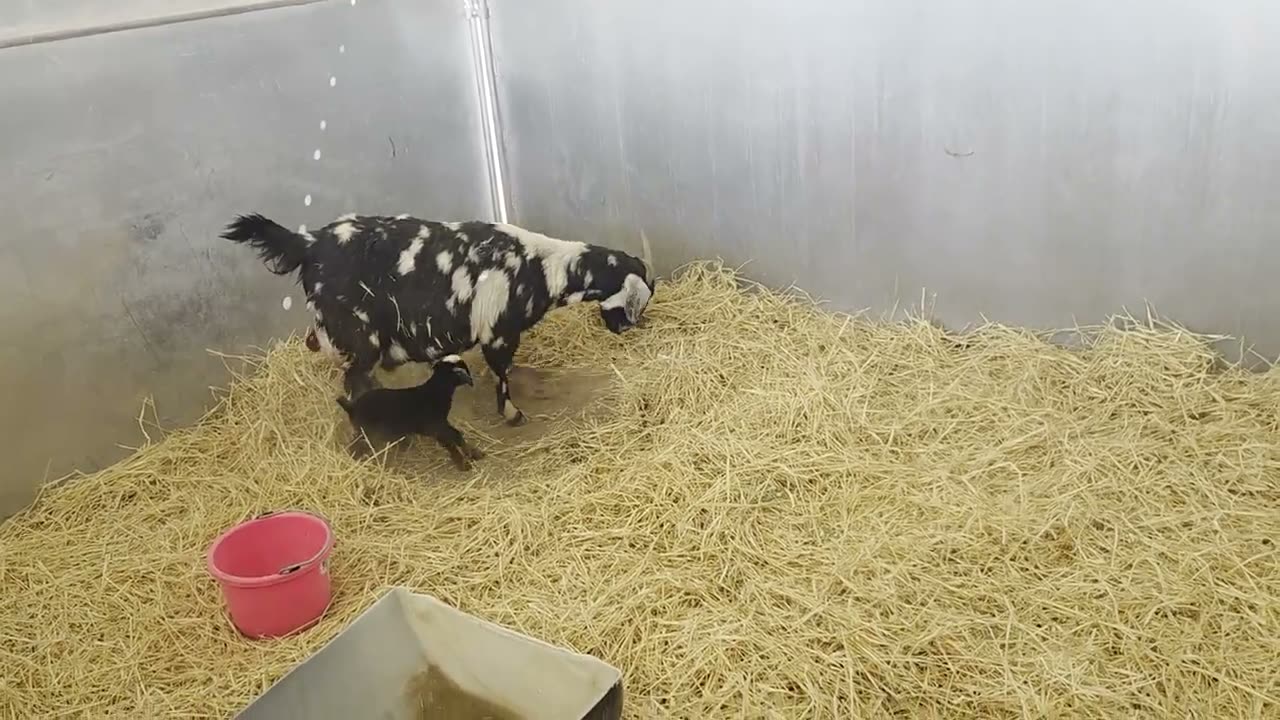
What We Actually Do: A Day in the Life
Our goat routine is simple:
6 AM: Goats released to browse pasture. We walk the perimeter weekly, pulling toxic plants.
12 PM: Goats come in for grain (measured, consistent). Fresh water. Shelter.
4 PM: Fresh hay delivered. Quality matters--no dust, no mold.
6 PM: Final check. Watch for signs of poisoning: drooling, lethargy, diarrhea, lack of appetite.
Goats are smart. They know what's food and what's dangerous. We just make sure dangerous things aren't in reach.