Animal Stories · January 15, 2025
Working Dogs Earn Their Kibble: The Border Collie Chronicles
What separates a pet from a partner on the farm
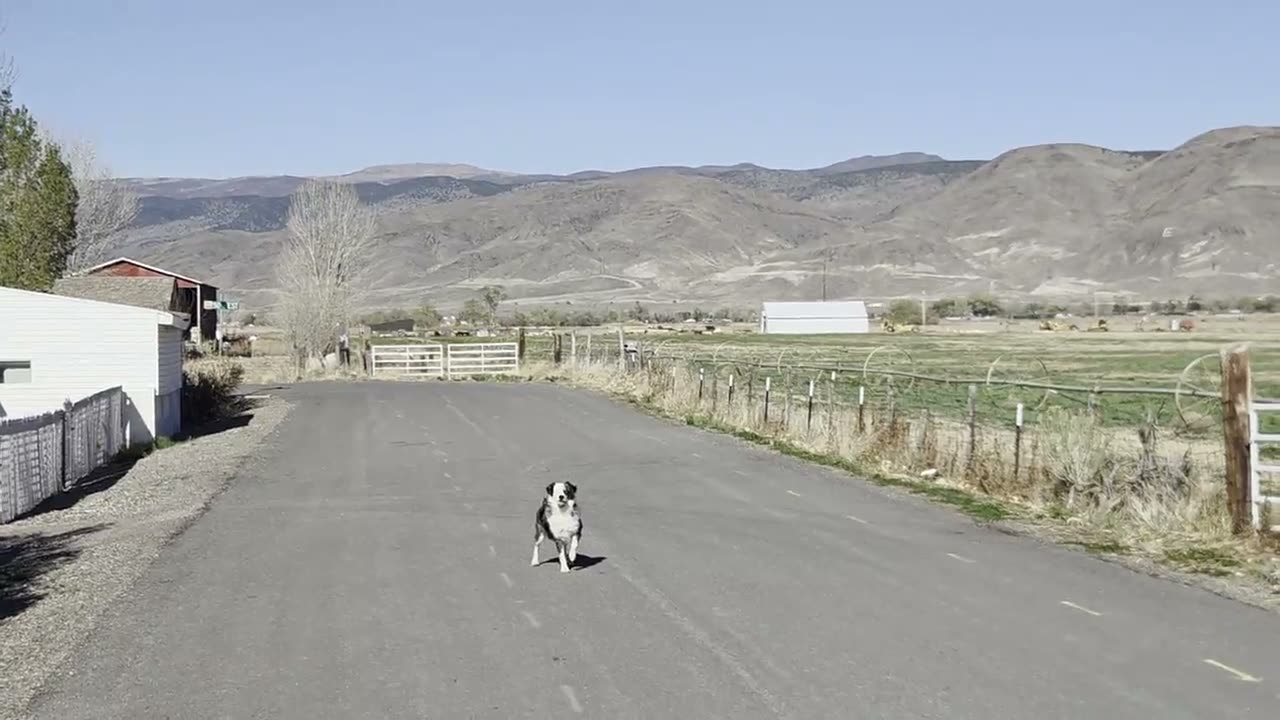
Not All Dogs Are Farm Dogs
We have four border collies. They're working animals with a job description: move animals, protect the flock, manage pasture rotation. They're not pets. They're partners.
What They Do
A typical work day for our head dog, Moose:
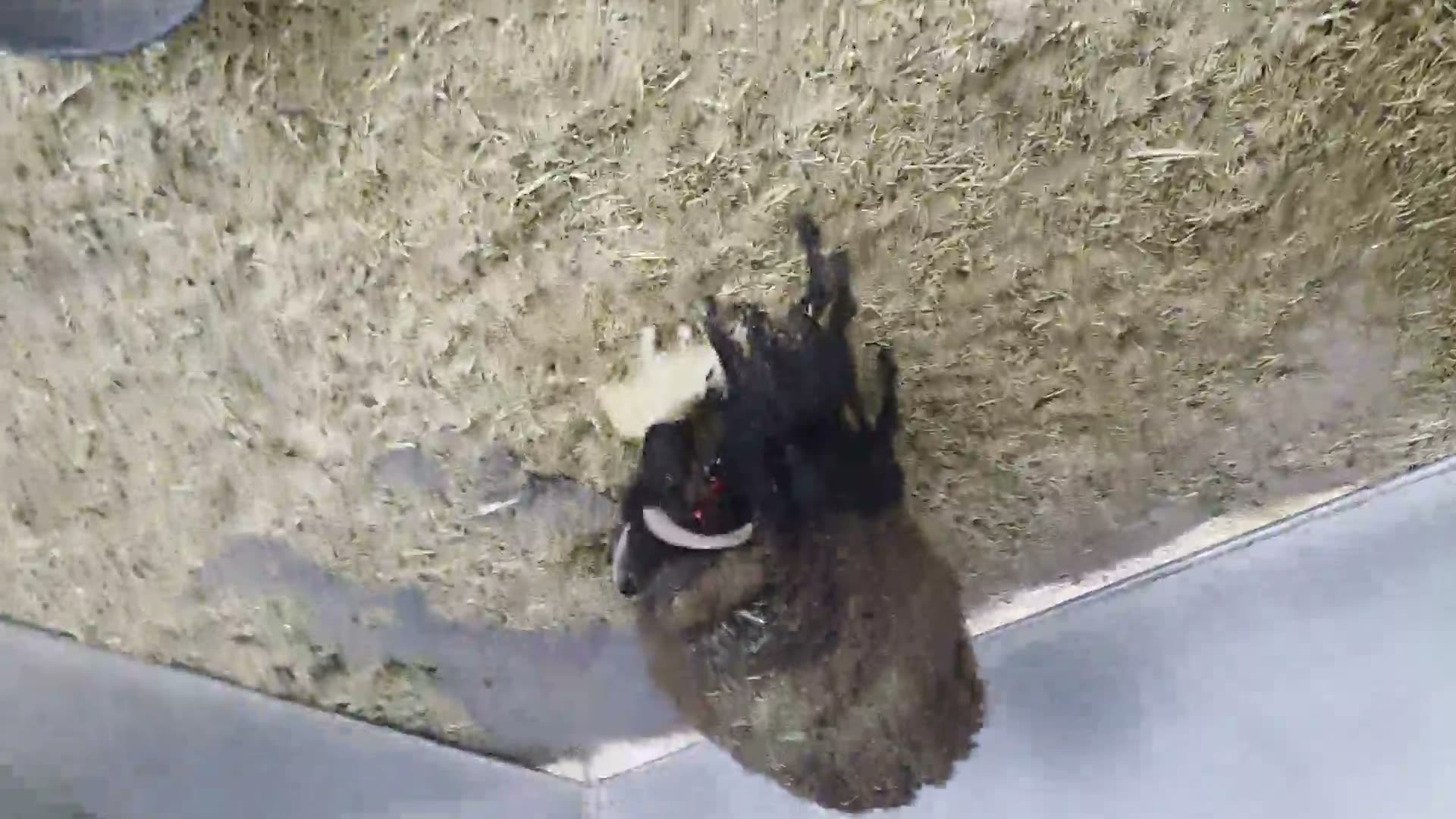
6:00 AM - Morning Check
I point to a pasture. Moose is off, circling the perimeter, checking for predators, counting heads. If something's wrong--an injured animal, a breach--he returns and signals with body language. No barking. No drama. Just information.
8:00 AM - Pasture Movement
We rotate sheep to fresh pasture. I release Moose and give the command. He crouches, stalks, moves around the flock, gathers the stragglers, pushes the group to the new paddock. Twenty minutes. One dog. 80 sheep. No fence move, no truck, no stress.
10:00 AM - Veterinary Work
We need to check a specific animal. I call Moose. He moves into the herd, finds the target (my pointing), isolates that single animal, and holds it. The vet works. No restraint is needed. The dog is the restraint.
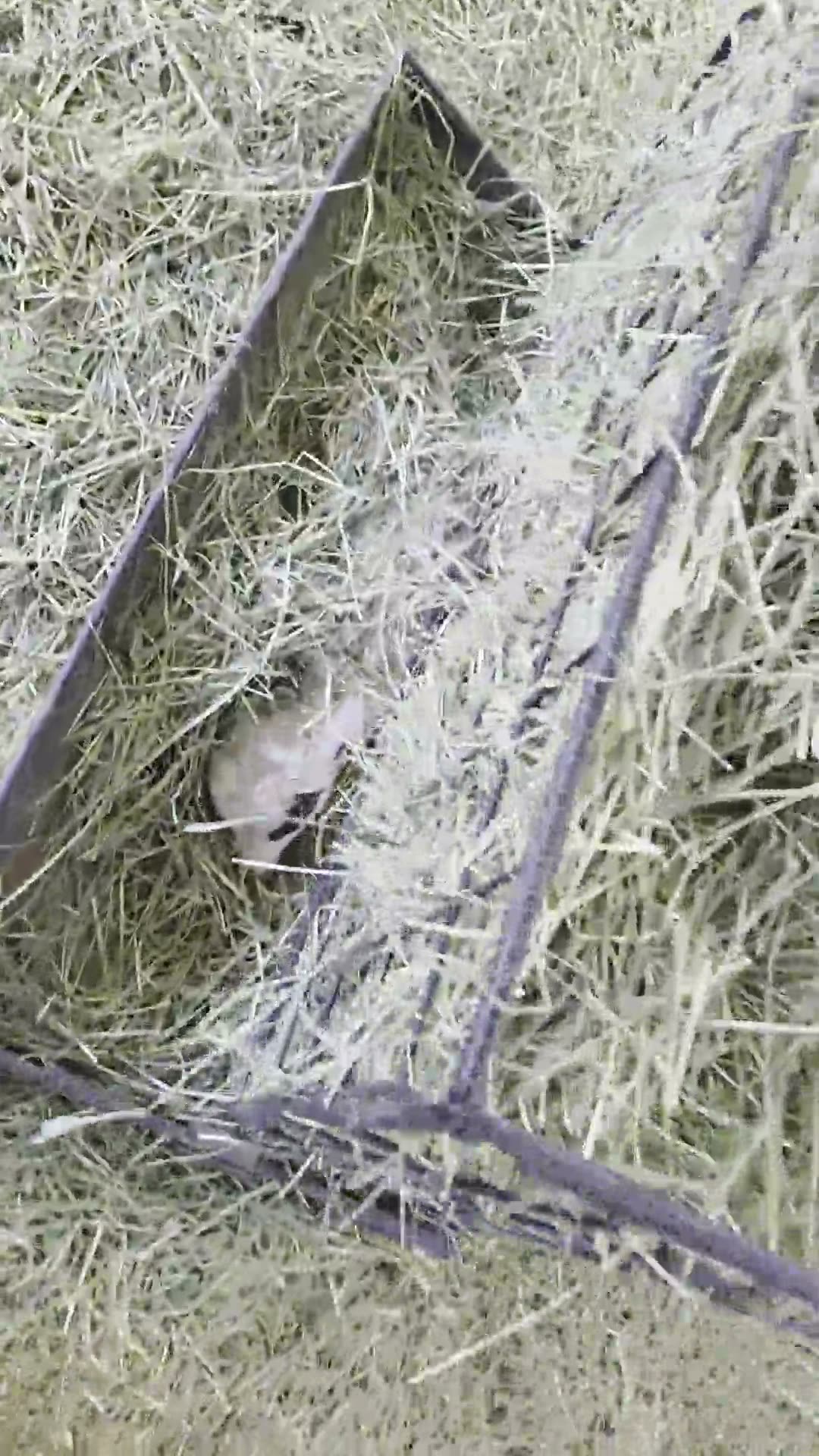
Noon - Predator Watch
Moose stations himself at high ground, watching the perimeter. A coyote appears on the ridge. Moose charges with a specific bark--not herding, but warning. The coyote leaves. Flock is safe.
2:00 PM - Afternoon Shift
Another pasture move. Another 20 minutes of work. By 3 PM, he's covered 8 miles on foot, moved 160 animals, and checked for problems. A human could not do this in a day.
The Economics
Cost Per Dog
Training: $1,500. Food: $400/year. Vet care: $300/year. Total annual: ~$700.
What They Prevent
Predator loss: $4,000/year. Human labor saved: 500 hours at $25/hour = $12,500. Stress reduction = reduced disease = $2,000. ROI: 2,200%.
A well-trained working dog is the most cost-effective predator control and herd management tool available. The investment in training is recovered in a single season.
Utah State University Extension Livestock Protection — Dr. Heidi Kratsch (2024)
Training Philosophy
We don't train our dogs with punishment. Border collies are sensitive, intelligent animals. Commands are gentle guidance. We work with their instincts, not against them. Moose has never worn a shock collar or been struck. He works because it's what he was born to do.
A working dog isn't owned. It's partnered with. Feed it, respect it, and it will move mountains.
See our dogs in action in the video library.