
Section 1
The 8-foot fence
Black plastic deer netting on metal T-posts. 8 feet tall, posts every 10 feet. Cheap (under $1.50/ft), nearly invisible from 30 feet away, lasts 5-7 years before UV degrades it. Tension top and bottom wires keep it from sagging. Bury or stake the bottom edge -- deer will push under a slack fence.
Section 2
The double-fence trick
Two parallel 4-foot fences, set 4 feet apart. Deer can clear height OR distance, but not both at once. The visual depth confuses the jump calculation. Cheaper than 8-foot fencing (regular field fencing works), and you can plant the gap between fences with non-tasty perennials so the strip looks intentional.
Section 3
Garden-only protection
Don't fence the whole yard -- fence the vegetable garden. 4x8 raised beds with hoops + bird netting work for spring lettuce. A 6-foot dog kennel panel system makes a portable garden cage. Deer mostly leave thorny and aromatic perennials alone -- site lavender, rosemary, and barberry between deer-favorites and the property edge.
Section 4
Repellent sprays -- limited use
Bobbex, Liquid Fence, and Plantskydd work for 2-4 weeks before reapplication. Best for short-term protection of new transplants in fall. Rotate brands every reapplication so deer don't adapt. Useless after rain. Useless on plants you're going to eat.
Section 5
Plants deer mostly leave alone
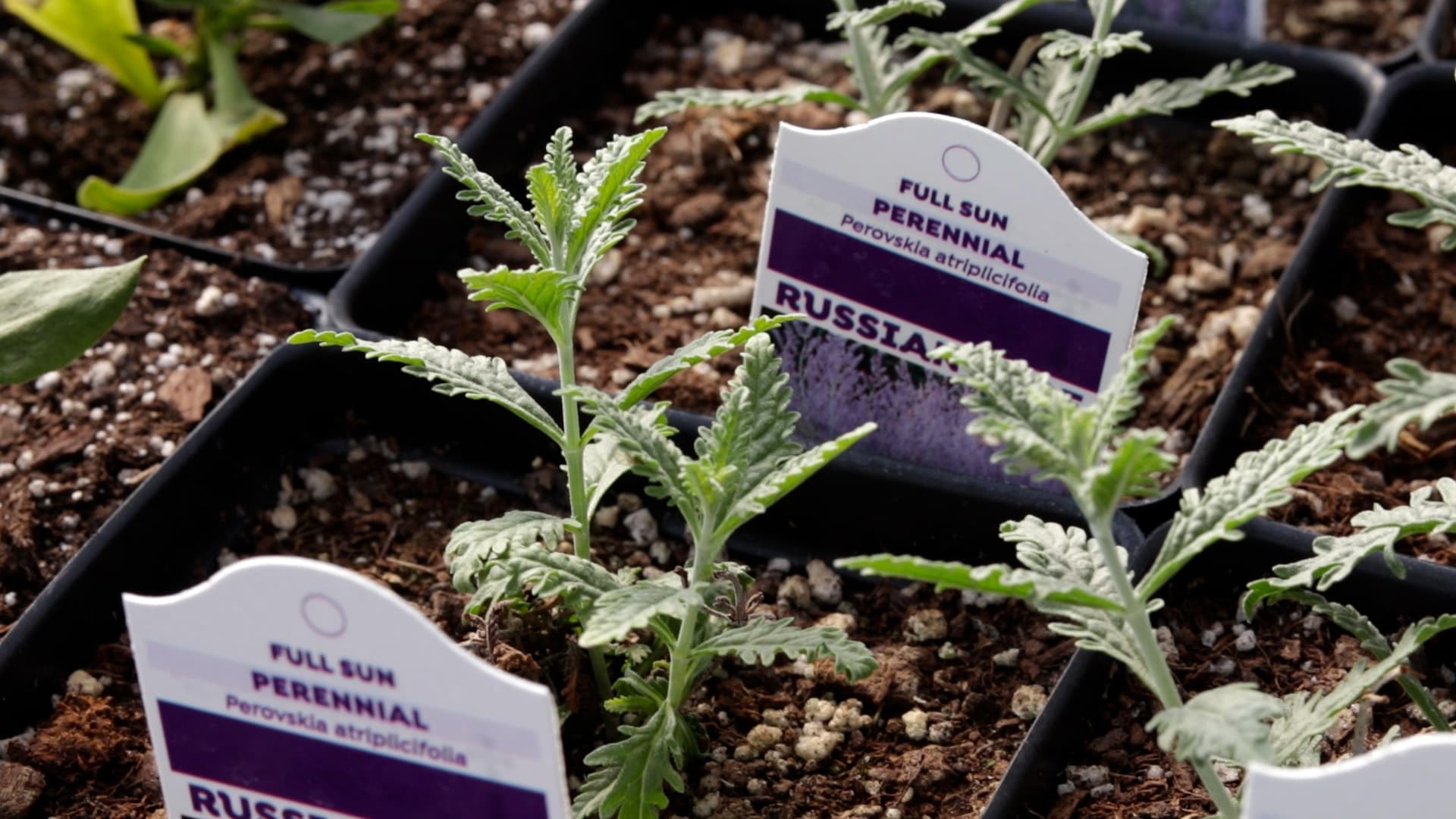
Lavender, rosemary, sage, thyme, oregano, mint, daffodils, alliums, peonies, bleeding heart, bee balm, columbine, foxglove, lupine, yarrow, salvia, Russian sage. "Deer-resistant" is not "deer-proof" -- a hungry deer in February will eat anything not on a list of toxic plants.