
Skip to content
SUS Farms — Allegedly Organic

design · intermediate · 7-min read

Saving your own seed

Seed saving lets you breed varieties for your specific microclimate over generations. The legal requirement: only save from open-pollinated (OP) varieties, never F1 hybrids — F1 seeds don't come true. Look for "OP" or "heirloom" on the seed packet.

The 60-second version

Key takeaways

  • 01.Plan on paper before digging
  • 02.Trust recommended spacing — year 1 looks sparse, year 3 fills in
  • 03.Continuous bloom March-October feeds pollinators
  • 04.Native plants outperform imports in Utah climate and soil

Section 1

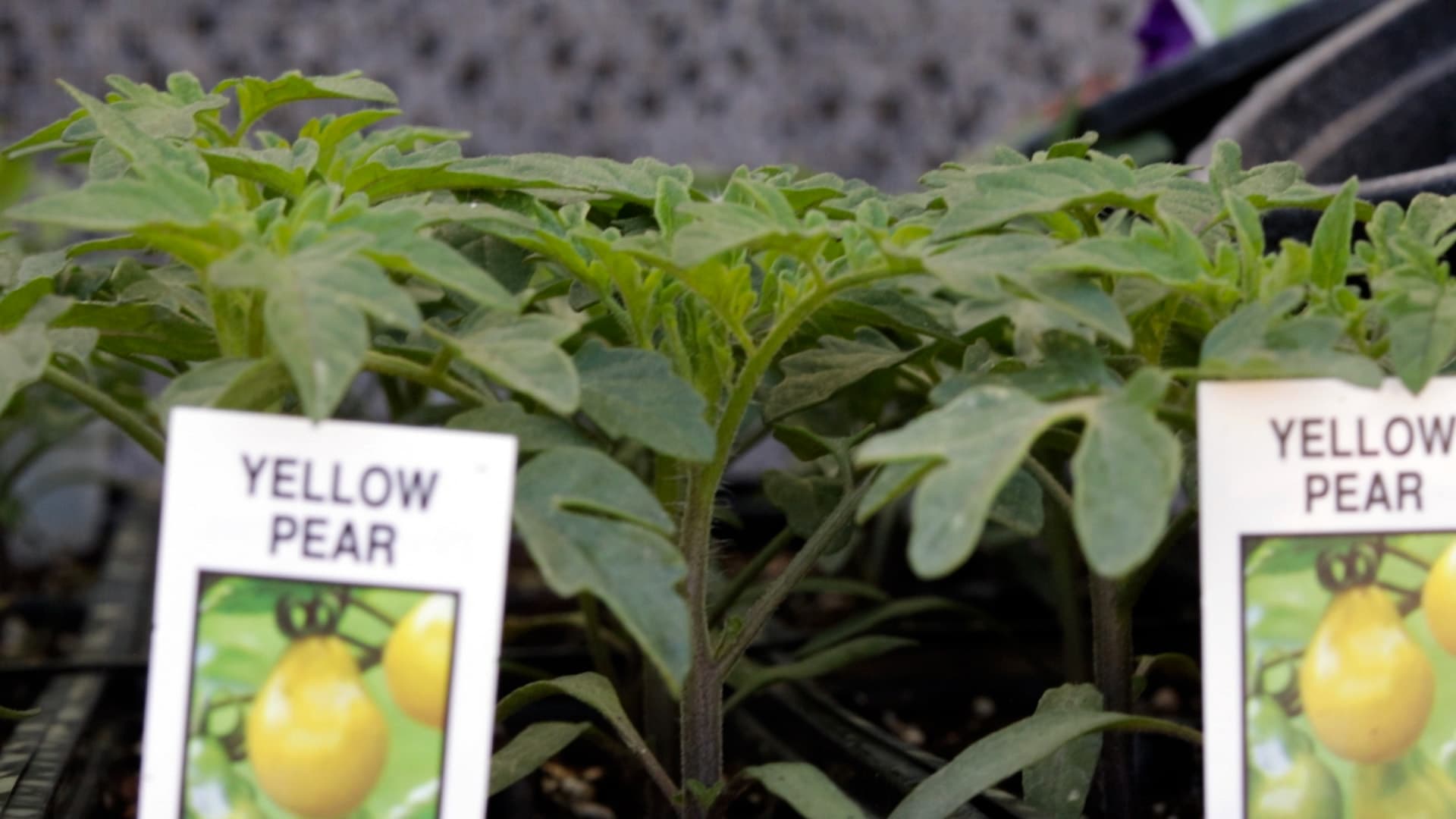
Easy starters: tomato, lettuce, peas, beans

These are self-pollinating, so you don't need isolation distance. Pick fully ripe fruit, ferment tomato seeds (3 days in water, then rinse and dry), let lettuce go to seed and shake into a bag, dry pea/bean pods on the plant until they rattle.

Section 2

Harder: brassicas, cucurbits, alliums

These cross with anything in their family within insect range (often 1/4 mile). Need isolation by distance OR by timing OR by physical bagging. Cabbage in flower will cross with mustard, turnip, and bok choi.

Section 3

Drying and storing

Spread seed in a single layer on a paper plate. 2 weeks in a dry room. Then into a labeled paper envelope inside a glass jar in the fridge — extends viability from 2 years to 10+. Add a silica packet from a vitamin bottle to absorb moisture.

Section 4

Germination test before planting

Lay 10 seeds on a damp paper towel inside a plastic bag. After the variety's germination window, count how many sprouted. 8/10 = 80% — adjust your sow rate. <50% = compost the lot.

Tools & materials

What you’ll actually need

The shopping list. Everything below earns its place — we wouldn’t list a tool we don’t actually use on the farm.

Graph paper or design app

Plan beds at 1:48 scale (1 square = 1 foot). Cheaper to erase than to dig up an established plant.

Tape measure (50 ft)

Mark the actual dimensions. Most "I think this is about 8 feet" estimates are off by a foot or more.

Wooden stakes + flagging tape

Lay out the design at full scale. Walk around it for a few days before committing.

Garden hose (for curves)

Lay out an irregular bed shape with a hose. Move until it looks right, then mark.

Things we’ve done wrong

Common mistakes & how to avoid them

Each of these has cost us a season at some point. Easier to learn from someone else’s mess than your own.

1.

Planting at recommended spacing without trusting it

The fix:Year-1 looks too sparse. By year 3 the plants fill in and overcrowded plantings are competing for light and water. Trust the spacing.

2.

Skipping the layered look

The fix:Tall in back, short in front isn't enough. Use vertical accents (yucca, mountain mahogany), mid-layer grasses, ground-cover at the front.

3.

Forgetting bloom calendar

The fix:Plant for continuous bloom March-October. Gaps in bloom = pollinators leave. Cluster early, mid, and late bloomers throughout the bed.

Common questions

Frequently asked

+How does Utah's climate affect saving your own seed?

Utah is high, dry, alkaline, and seasonally extreme. Compared to the humid east-coast advice in most gardening books, we deal with shorter shoulder seasons, more intense summer sun and UV, lower humidity (faster water loss), and soils that lock up iron and zinc. Adjust east-coast guidance accordingly: more water-conscious, more shade in summer, more attention to soil pH.

+Where do I find Utah-specific research?

USU Extension (extension.usu.edu/yardandgarden/) maintains the deepest archive of Utah-specific plant research in the state. Their Master Gardener helpline answers homeowner questions free. The Utah Climate Center at climate.usu.edu publishes 30-year climate normals for nearly every weather station — useful for planning frost dates and water budgets.

+How long until I see results?

Depends on what you're measuring. Soil amendments take 1 full season to show effects (sulfur for pH takes 4-8 months). Pest exclusion shows immediately. New plantings need 2-3 seasons to establish before drought tolerance kicks in. The biggest win is consistency — small actions taken weekly outperform big once-a-year efforts.

+Can I do this on a small backyard, or do I need acreage?

Almost everything in this guide scales down. A 4×8 raised bed, a few containers on a deck, or even a single fruit tree in a side yard each benefit from the same principles as a working farm — they just operate at different volumes. Container gardening is its own art and is well-suited to renters and small spaces.

Sources:USU Extension — Seed Saving·SUS Farms field notes, Sevier County