
Section 1
Substitute the structure
Boxwood hedge -> blueberry hedge (in raised, acidified beds) or rosemary. Foundation shrubs -> currants, gooseberries, sea buckthorn. Specimen tree -> semi-dwarf apple or pear (both have spring bloom, fall color, and edible fruit). Tall accent -> globe artichoke (architectural foliage, edible buds, perennial in warm microclimates).
Section 2
Herbs as ground cover
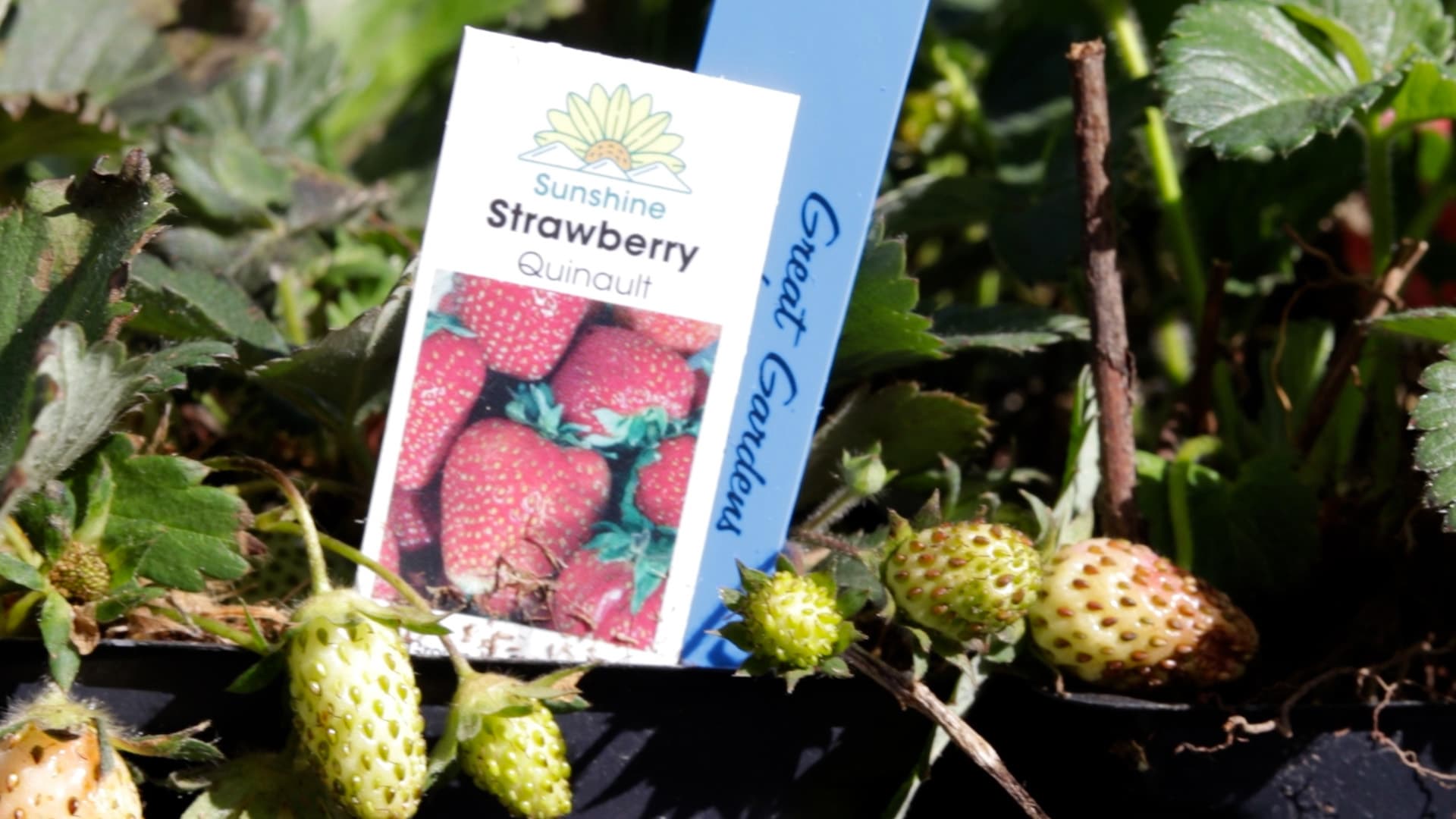
Creeping thyme -- fragrance when stepped on, tiny flowers, ground cover for paths. Oregano -- purple flower spikes, cascades over walls. Strawberries -- productive ground cover, pretty white flowers, kids picnic in them. Chives -- clumping foliage with purple pompom flowers.
Section 3
Vines for fences and arbors
Grapes -- autumn color, fruit, dappled shade for a patio. Hops -- fast vertical cover, fragrant flowers, useful if anyone in the house brews. Hardy kiwi (Actinidia kolomikta) -- variegated foliage, fuzzless edible fruit. Scarlet runner beans -- annual but stunning red flowers and edible pods.
Section 4
Mixed beds (potager style)
Plant vegetables in patterns. A row of red lettuce alternating with red sails -- looks like a tapestry. Kale as a border plant -- the colored stems read like ornamental cabbage from the street. Rainbow chard against a black-painted fence -- high contrast. Tomatoes trellised on a decorative obelisk.
Section 5
What to avoid for street appeal
Don't plant 8'x8' plots of hot-weather vegetables (corn, squash, melons) at the front of the yard -- they look ratty in late August. Keep those in the back. Front-of-yard edibles should be evergreen-ish or have year-round structure. Fruit trees, herbs, perennial vegetables, and tidy containers are the front-yard picks.