Section 1
Tubular flowers -- what they actually feed on
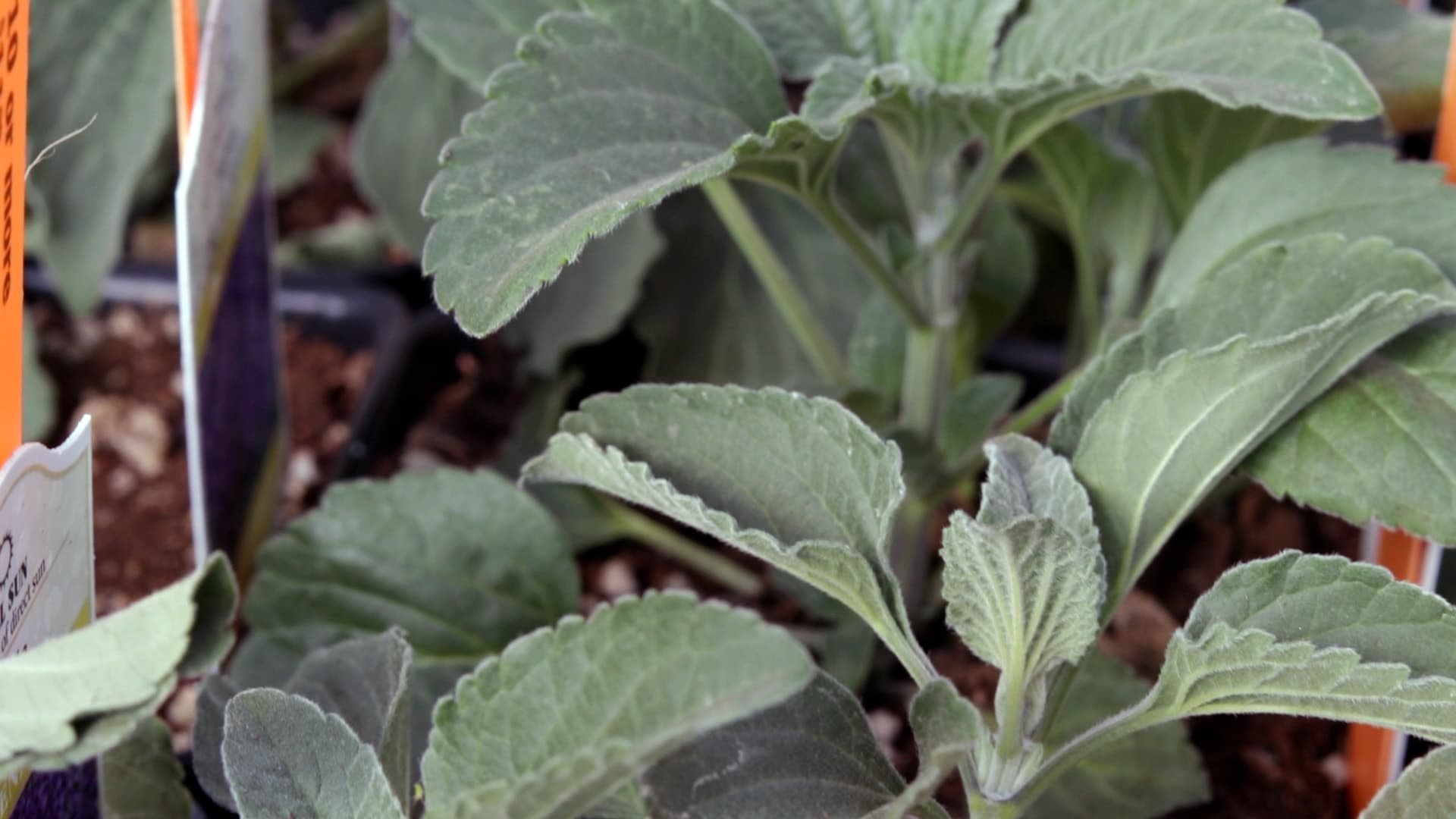
Hummingbirds evolved to feed on tubular flowers. Salvia (most species) -- top-tier. Agastache (hyssop) -- long bloom, drought-tolerant. Penstemon -- Utah natives bloom April through July. Bee balm (Monarda) -- June through September. Trumpet vine -- but only in front-yard contained beds; it's aggressive. Cardinal flower (Lobelia cardinalis) -- needs more water than most yards have.
Section 2
Color matters less than shape
Red is most attention-grabbing, but hummingbirds visit any color of tubular flower. Don't plant only red -- diversity attracts a wider range of native bees and butterflies AS WELL as the birds. Salvia "Rockin' Deep Purple" outperforms red salvia for hummingbird visits in our farm logs.
Section 3
Provide layered habitat
Hummingbirds rest 80% of the day. Plant trees and shrubs (apple, lilac, sage shrub) for perches near the flower beds. Water source -- a fine-mist sprinkler pulse for 10 minutes mid-morning. They drink and bathe in moving water; standing water doesn't attract them.
Section 4
The case AGAINST feeders
Sugar water is empty calories -- birds need insects for protein, especially when feeding young. Feeders concentrate birds, which spreads avian disease (especially fungal infections from improperly cleaned feeders). If you must run a feeder: clean every 3 days in summer, refill with 1:4 sugar:water ratio, never use red dye, never use honey.
Section 5
Bloom calendar for nesting season
Plan continuous bloom from April 15 (first arrivals) through September 15 (departures for migration). Spring: bleeding heart, columbine, native penstemon. Summer: agastache, salvia, bee balm. Late summer: sunset hyssop, cardinal flower. Gaps in bloom = hummingbirds find another yard.