How to Build a Cold Frame (Extend Your Season by 4-6 Weeks)
DIY cold frame from wood and windows--grow cool-season crops before spring and after fall frost.
TL;DR
- Time: 6 hours
- Cost: $
- Yield: 20 sq ft protected growing space
- Difficulty: Intermediate
Supplies
- 2x12 untreated wood boards, 4 feet long (2 pieces)
- 2x12 untreated wood boards, 3 feet long (2 pieces)
- Old window or transparent panels (4 feet x 3 feet) or 6-mil plastic sheeting
- Hinges (if using rigid cover) or rope (for plastic)
- 1/2-inch angle irons or brackets (for frame reinforcement)
- 2-inch galvanized nails or screws
Tools
- Circular saw
- Drill and driver
- Tape measure
- Level
- Shovel
Steps
Choose a south-facing, well-drained spot
Cold frames need 6+ hours of sun. South-facing is best. Make sure water won't pool on the cover (tilt slightly downward to the north if possible). Leveling the ground takes 10 minutes and prevents water pooling inside.
Assemble the frame
Use 2x12 boards to create a box: 4 feet x 3 feet x 12 inches tall. Orient the 4-foot side to face south (longer side catches more sun). Nail or screw corners together. Check with a level. The frame can tilt slightly (1/2 inch) from north to south, but shouldn't rock.
Set the frame on the ground
No hardware cloth needed for cold frames (it's above-ground protection, not a raised bed). Set the frame directly on level soil. Press it down so it sits flat. If soil is uneven, dig shallow spots or add soil to level.
Add a cover
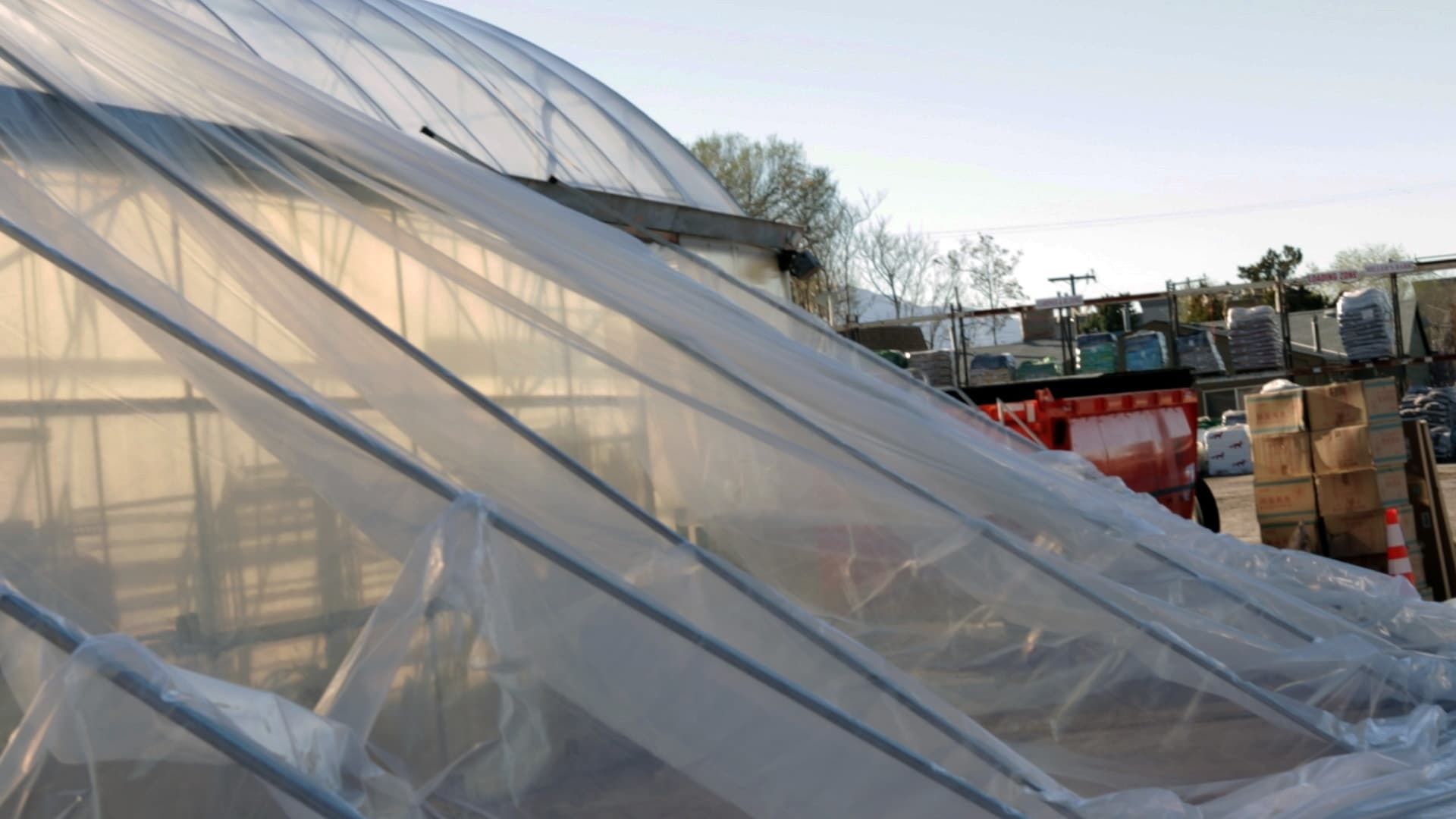
Three options: (1) Old window: Attach with hinges at the north edge. Prop open with a stick on hot days (over 70°F). (2) Clear plastic panels: Tack over the frame with plastic sheeting and tape. Replace each year. (3) Plastic film: Stretch 6-mil plastic over the frame and staple to the wood. Simplest and cheapest. Replace in spring when condensation gets heavy.
Fill with soil
Add 6-8 inches of compost or garden mix. Cold frames create their own microclimate, so you don't need special soil--use the same mix you'd use in a raised bed.
Sow cool-season crops
Lettuce, spinach, kale, arugula, radishes, carrots. Sow 4-6 weeks before your local frost date (May 15 for Utah). Plants will be ready to harvest in late May-early June, when you'd normally be starting transplants. In late summer (August), sow again for a fall crop that extends into November.
Pro Tips
Ventilation is crucial. On sunny days above 70°F, crack the cover open. Seedlings can cook in a closed cold frame. Use a hinged cover with a prop stick for easy venting.
Wet soil in winter can cause rot. Water cold frames in early morning so excess moisture evaporates. Or water less frequently.
In spring, remove the cover on mild days (above 60°F) to harden off plants. Cold-frame crops acclimate to outdoor conditions gradually.
Double-layer plastic (air gap between layers) insulates better than single-layer. If you have plastic sheeting, build a frame and staple plastic on both sides.
Old windows are free if you ask neighbors for discarded ones. Check Facebook Marketplace or Craigslist--lots of folks have old windows.
A cold frame is passive, but on extremely cold nights (below 20°F), you might lose tender seedlings. On those nights, throw a blanket over the cover for extra insulation.
Warnings
Don't leave a closed cold frame in direct sun on a warm day. Interior temps can exceed 100°F and cook plants. Prop the cover open.
Don't use pressure-treated wood. Use untreated pine or cedar. Chemicals leach into soil where food grows.
Research & Sources
- Cold Frame Construction and Management
Dr. Dan Drost, USU Extension Horticulture (2024) - Season Extension Techniques for Utah
Dr. Heidi Kratsch, USU Extension (2023) - Cool Season Crop Production
Utah State University Extension (2024) - Sevier County Season Extension Guide
Sevier County Extension (2023)
Frequently Asked Questions
What's the difference between a cold frame and a greenhouse?
A cold frame is passive solar, no heat source. A greenhouse is larger and often has heating. Cold frames are perfect for season extension; greenhouses are better for year-round growing.
Can I use it year-round?
In spring and fall, yes. In summer, it's too hot without ventilation. In deep winter, the soil freezes hard and plants don't grow. Spring and fall are ideal.
What if I don't have an old window?
Use clear plastic sheeting (6-mil) or rigid plastic panels. Both work fine. Plastic gets cloudy after a year; replace annually. Windows are free and last forever, but plastic is simpler to install.
Do cold frames need watering?
Yes, but less than outdoor gardens. The cover traps moisture. Check soil daily. Water if the top 2 inches are dry. Overwatering is a common mistake in cold frames.