How to Build a Raised Bed for Utah (Vole-Proof & Alkaline-Ready)
DIY raised bed construction with hardware cloth floor to block voles, and alkaline-soil amendments built in.
TL;DR
- Time: 4 hours
- Cost: $
- Yield: 1 garden bed (16 sq ft)
- Difficulty: Beginner
Supplies
- 2x12 untreated pine or cedar boards, cut to 4 feet (4 pieces)
- 1/2-inch hardware cloth (galvanized), about 20 square feet
- 3-inch galvanized wood screws, 16 count
- Topsoil or garden mix (16 cubic feet)
- Compost (8-10 cubic feet)
- Sulfur (4-6 pounds, optional)
Tools
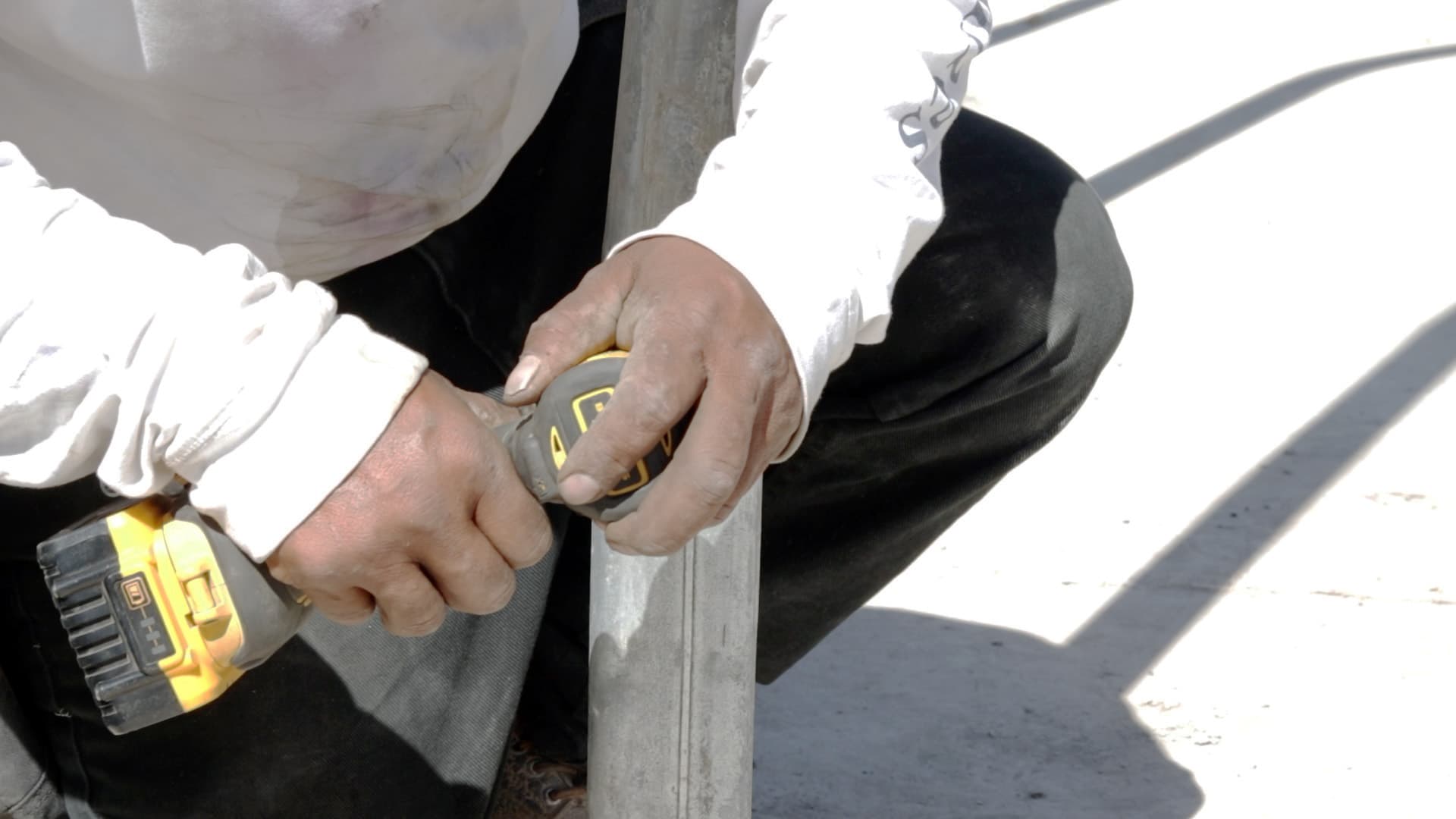
- Power drill and driver bit
- Circular saw (or ask the lumber yard to cut)
- Tape measure
- Square
- Work gloves
- Wire cutters or tin snips
Steps
Choose your spot and level the ground
Pick a spot with at least 6 hours of direct sun. Use a level to check--you want the ground as flat as possible. If it's uneven by more than 1 inch, dig shallow depressions or add soil to level it. Voles won't breach hardware cloth that's well-seated.
Assemble the frame
Lay your four boards in a square. Drill two holes at each corner (pre-drill to avoid splitting), then drive in two 3-inch screws. Check with your square to confirm 90-degree corners. This frame is the structure; make it solid.
Lay hardware cloth on the ground
Before you move the frame, cut and lay 1/2-inch galvanized hardware cloth on the ground inside the footprint. Voles chew wood and gnaw roots; hardware cloth stops them. Overlap seams by 3-4 inches and use landscape staples or bent nails to secure it to the ground around the perimeter. This is not optional if you have voles (and in Sevier County, you do).
Move the frame over the hardware cloth
Carefully lift your frame and position it over the hardware cloth. Adjust until it's centered, then tuck any loose cloth edges under the frame. The hardware cloth should cover the entire bottom and extend a few inches up the interior sides.
Fill with soil and amendments
Start with 6-8 inches of topsoil or garden mix. Then add 4 inches of compost. If your native soil is above pH 8.0, add 4-6 pounds of agricultural sulfur mixed into the compost layer. Top with another 2 inches of compost. Water lightly to settle.
Top dress and plant
Once settled, add 1 more inch of finished compost as a top dress. Your bed is now pH-neutral (or close), vole-proof, and ready. Plant tomatoes, peppers, lettuce, herbs--whatever you want. You're in control.
Pro Tips
Cedar lasts 10-15 years; pine lasts 5-7. Both are fine. Avoid pressure-treated wood--not food-safe.
If you can't find galvanized hardware cloth, use it anyway--it costs more but lasts 15+ years. Un-galvanized rusts out in 5 years in Utah.
Fill in fall so amendments can settle over winter. Spring planting is smoother.
Stack two frames on top of each other if you want a deeper bed (24 inches). Use corner brackets to lock them.
Drip irrigation in a raised bed is easier to install and more efficient. Install before you fill it completely.
If you have a lot of voles, add a second layer of hardware cloth halfway up the sides. Voles can climb.
Warnings
Don't use pressure-treated wood. It contains copper-arsenic compounds unsafe for food crops. Period.
Don't skimp on hardware cloth. One gap and voles will find it.
Research & Sources
- Raised Bed Gardening for Utah
Dr. Dan Drost, USU Extension (2024) - Controlling Voles in Gardens
Utah State University Extension (2023) - Soil Preparation for Raised Beds in Utah
Dr. Heidi Kratsch, USU Extension (2024) - High Desert Garden Construction
Sevier County Extension (2023)
Frequently Asked Questions
Can I use my old deck boards?
Only if they're untreated wood (no stain, no sealer). If they're pressure-treated or painted, don't use them--chemicals leach into soil.
Do I really need hardware cloth?
If you have voles (and most Utah gardeners do), yes. It's cheap insurance. Without it, you might lose entire beds to vole tunneling.
How much does it cost to build one bed?
Materials run $150-250, depending on wood choice and whether you buy soil. Cedar is pricier than pine. Buying topsoil in bulk is cheaper than bags.
Can I make it smaller than 4x4?
Sure. Smaller is easier to manage but yields less. A 2x4 bed is fine for herbs or greens. A 4x4 is the sweet spot for mixed vegetables.